



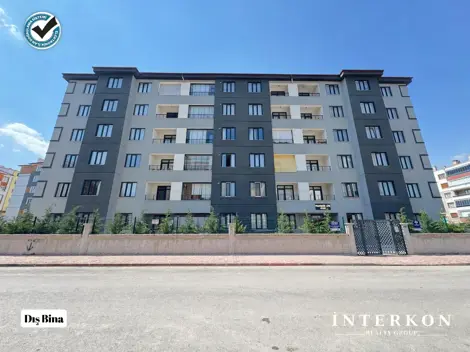




Introduction to Property Financing in Turkey
Property financing in Turkey is becoming increasingly accessible for foreign buyers. In 2026, there are numerous options available to help you realise the dream of owning a home or making a smart real estate investment. This article covers everything you need to know about financing options for properties in Turkey.
Why is property financing in Turkey important?
For foreign buyers in particular, financing property in Turkey is a key factor. Attractive interest rates and flexible loan terms create many opportunities to invest in the Turkish real estate market.
What financing options are available?
- Bank loans: Many Turkish banks offer specialist mortgages for foreigners, often with highly competitive interest rates.
- Equity financing: Investors can cover part of the purchase price themselves and finance the remainder with a loan.
- Private investors: Some buyers opt for private financing sources, which frequently offer more flexible repayment terms.
How does a bank loan work for foreign buyers?
Bank loans are one of the most common financing options for foreign buyers in Turkey. The process involves:
- Application: The buyer must provide complete documentation of their finances and identity.
- Credit check: The bank carries out a credit assessment to determine the applicant’s creditworthiness.
- Loan offer: Once approved, the buyer receives an offer detailing the interest rate and repayment conditions.
What documents are required?
To apply for a bank loan, you will need:
- Passport or ID card
- Proof of income (e.g. payslips, tax returns)
- Bank statements for the last six months
- Details of the intended property
What are the current interest rates and terms?
In 2026, average interest rates for property loans in Turkey range between 5% and 8%. The exact terms depend on several factors, including:
- The buyer’s income
- The amount of deposit available
- The type of property
Common challenges with property financing in Turkey
Despite the many advantages, there are also some challenges:
- Language: Contract documents are often only available in Turkish, which can lead to misunderstandings.
- Legal aspects: Buyers should be fully aware of the legal framework, particularly regarding title transfer.
- Market knowledge: A solid understanding of the Turkish property market, especially in cities such as Konya, can make all the difference.
How do you find the right bank for property financing?
Choosing the right bank is crucial. Here are some useful tips:
- Compare offers from several banks to secure the best interest rate.
- Research customer reviews and experiences from other foreign buyers.
- Use services such as interkonrealtygroup.com to get recommendations for reliable banks.
Current trends in property financing for 2026
In 2026 we are seeing some interesting developments in property financing in Turkey:
- Growth of digital financing platforms: More and more buyers are using online platforms to apply for loans.
- Sustainable financing: Banks are increasingly offering special loans for eco-friendly construction projects.
Conclusion: Your property financing options in Turkey
Property financing in Turkey offers numerous opportunities for foreign buyers, especially in cities like Konya. Whether through bank loans, equity or private investors – do your research thoroughly and make use of the available resources to make the best decision. Be sure to visit apartments for sale in Konya to explore the latest listings.
Frequently Asked Questions
What are the interest rates for property loans in Turkey?
In 2026, interest rates range between 5% and 8%, depending on various factors.
What documents do I need for a bank loan?
You will need a passport, proof of income, bank statements and information about the property you plan to purchase.
Are there special loans for foreign buyers?
Yes, many Turkish banks offer specialist mortgages designed for foreign buyers.
How can I find the right bank for my financing?
Compare offers, read reviews and take advantage of recommendations from estate agencies.
What are the most common challenges with property financing?
Language barriers, legal considerations and limited market knowledge can present challenges.