



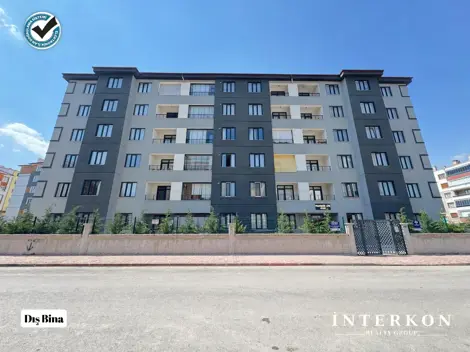




A building is a closed and fixed structure where people can carry out their living, working and other social activities. Structurally, it is constructed from the foundation to the roof using various materials and serves different purposes.
Building Types
- Residential Buildings: Apartments, villas and detached houses used as people's living spaces.
- Commercial Buildings: Structures such as offices, shops and shopping centres where commercial activities are carried out.
- Industrial Buildings: Factories, warehouses and similar structures designed for production and storage purposes.
- Public Buildings: Structures such as schools, hospitals and municipalities that provide public services.
Structural Features of a Building
Buildings consist of structural elements such as foundations, columns, beams, walls and roofs. The features of a building vary depending on the materials used (concrete, steel, wood, etc.) and the purpose of the design.
The Importance of Buildings
Strong and safe building structures enable people to live in a comfortable and secure environment. In addition, energy efficiency and sustainability can be achieved through correct design and material selection.
Building Maintenance and Management
Regular maintenance, repair and management activities must be carried out for a building to have a long lifespan. This is important in terms of structural safety and aesthetics.
Conclusion
A building is one of the fundamental building blocks of community life. Well-planned and quality-built buildings both enhance quality of life and carry economic value.