



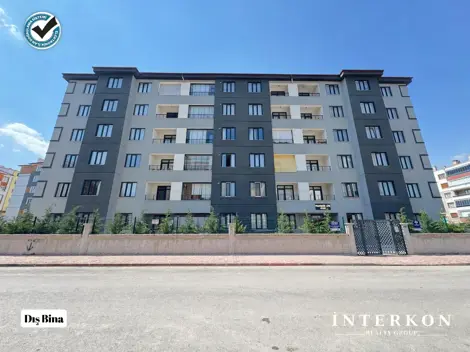




Plot refers to a piece of land set aside for construction or deemed suitable for development in zoning plans. In the real estate sector, a plot serves as both an investment vehicle and the foundation for residential or commercial buildings.
Types of Plots
Plots are divided into different categories based on their intended use and zoning status:
- Zoned Plot: Land approved by the municipality for construction, where building permits can be obtained.
- Unzoned Plot: Land where building permits cannot be obtained, typically classified as agricultural or natural areas.
- Commercial Plot: Plots suitable for business premises, offices, plazas and similar commercial uses.
- Residential Plot: Land designated specifically for housing construction.
Key Considerations When Buying a Plot
- Zoning Status: The plot’s compliance with local development plans and building regulations must be thoroughly checked.
- Title Deed and Legal Status: The title must be clear of any mortgages, liens or legal issues.
- Location: The plot’s position, accessibility, transport links and surrounding amenities should be carefully evaluated.
- Infrastructure and Utilities: Availability of water, electricity, sewage and other essential services is very important.
How is Plot Valuation Done?
Plot valuation is based on location, size, zoning status, environmental factors and current market conditions. Professional appraisal services are recommended for accurate pricing.
Plot Investment and Returns
Investing in plots offers significant long-term gains. Selecting the right plot, combined with value appreciation and well-planned development projects, can deliver substantial benefits to investors. However, thorough market research and legal due diligence are essential before making any decision.
Conclusion
A plot is a fundamental and strategic investment tool in the real estate sector. A well-chosen plot can generate both short-term and long-term returns. Examining every detail before purchase is critical to the success of your investment.