


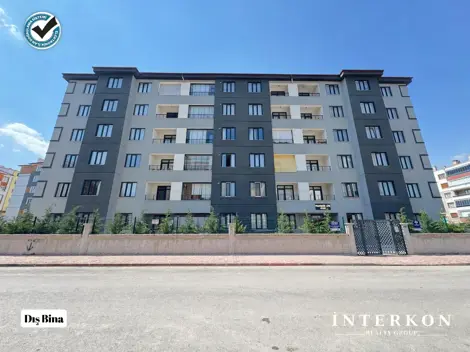




An apartment is a residential unit in a building that is independently registered in the title deed with separate ownership. It is typically found in apartment buildings or complexes and consists of rooms of various sizes, a living room, kitchen, and bathroom.
Apartment Types
- 1+1, 2+1, 3+1 Apartments: Classified according to the number of bedrooms and living rooms.
- Duplex Apartments: Two-storey apartments with internal stairs.
- Studio Apartments: Compact units usually featuring a single large living space.
- Residence Apartments: Luxury apartments in buildings that offer high-end services and standards.
Apartment Features
Apartments have the status of an independent section and are shown as separate units in the title deed. Interior finishes, location, and building features all affect an apartment’s value.
Things to Consider When Buying an Apartment
- The title deed and planning permission documents must always be checked.
- The usable area and the difference between gross and net square meters should be taken into account.
- The condition of the building and its surroundings, transport links, and social amenities must be evaluated.
Conclusion
An apartment is a fundamental housing unit in city living and holds great importance. Making the right choice with thorough research provides significant advantages for both investment and lifestyle.