



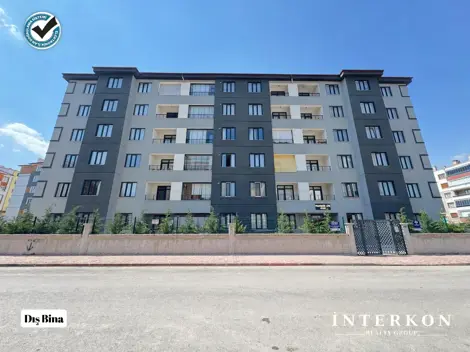




An independent section refers to areas in a building that are separately registered in the title deed and whose ownership can be transferred independently. These sections, which can be used for different purposes such as residential, commercial, storage or garage, are regulated under the Condominium Ownership Law.
Features of an Independent Section
- It is shown in the title deed with a separate registration and number.
- Ownership rights are independent, and transactions such as sale and rental can be carried out separately.
- It covers enclosed or open areas excluding common spaces.
- The rights and responsibilities of condominium owners are determined according to these sections.
Types of Independent Sections
- Residential: Living spaces such as apartments and villas.
- Commercial: Business areas such as offices and shops.
- Storage and Garage: Areas for vehicle and goods storage.
- Common Use Areas: Common areas such as elevators and staircases are not considered independent sections.
Legal Importance of an Independent Section
According to the Condominium Ownership Law, ownership of independent sections may belong to separate owners. This is of great importance in terms of protecting ownership rights, calculating maintenance fees and making management decisions.
What to Consider When Buying an Independent Section?
- Title deed records and plot information must be checked thoroughly.
- Common areas and their usage must be clearly specified in the contract.
- Information should be obtained about service charges and management expenses.
- Legal restrictions and situations such as mortgages should be investigated.
Conclusion
An independent section is a fundamental concept in real estate investments and is clearly defined from a legal perspective. Property transactions carried out with accurate information and documentation prevent future problems.