







How Construction Cost Inflation Constrains Housing Supply
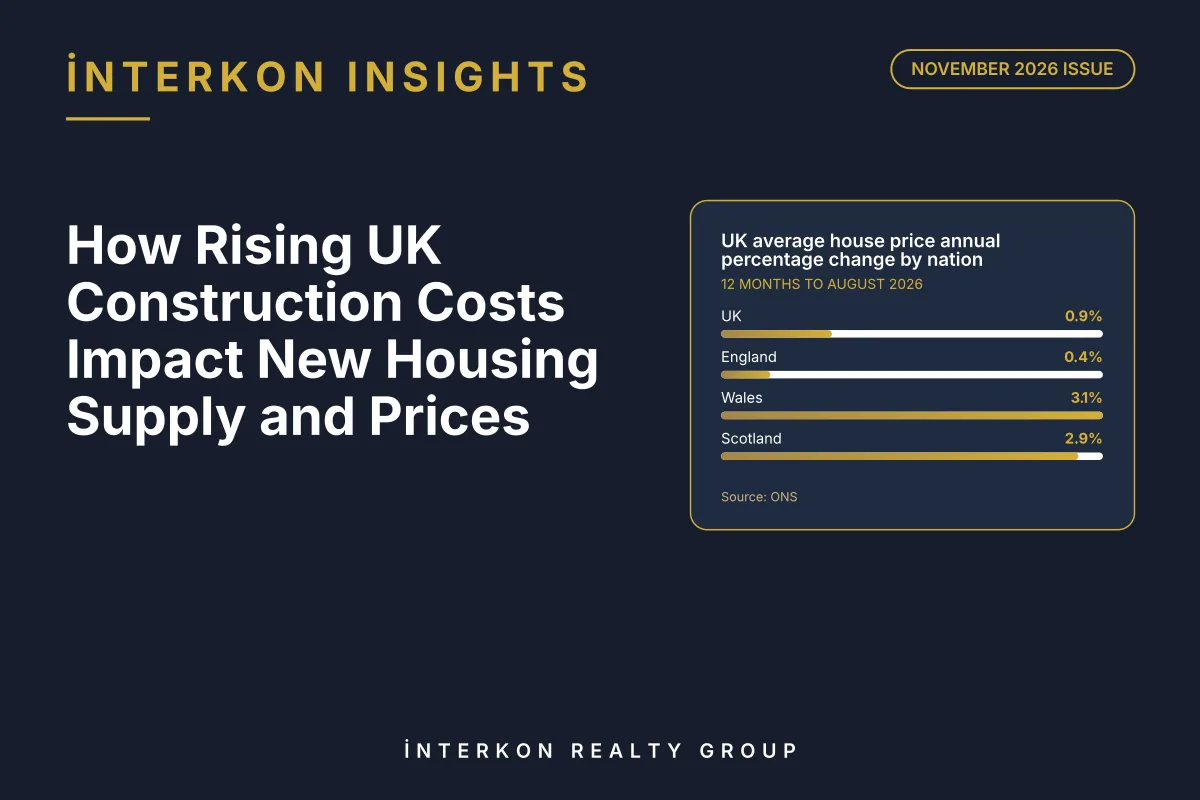
Rising construction costs in the United Kingdom are directly limiting the delivery of new homes. With annual construction output price growth at 3.2 percent in the 12 months to September 2026, according to the ONS, many developers are delaying or cancelling marginal schemes. This supply-side pressure helps explain why average UK house prices have still risen by 0.9 percent over the past year despite relatively weak transactional demand.
For investors, the central question is whether this cost-driven supply shortage will continue to support capital values or whether it risks creating longer-term structural imbalances.
Current House Price and Rental Market Conditions
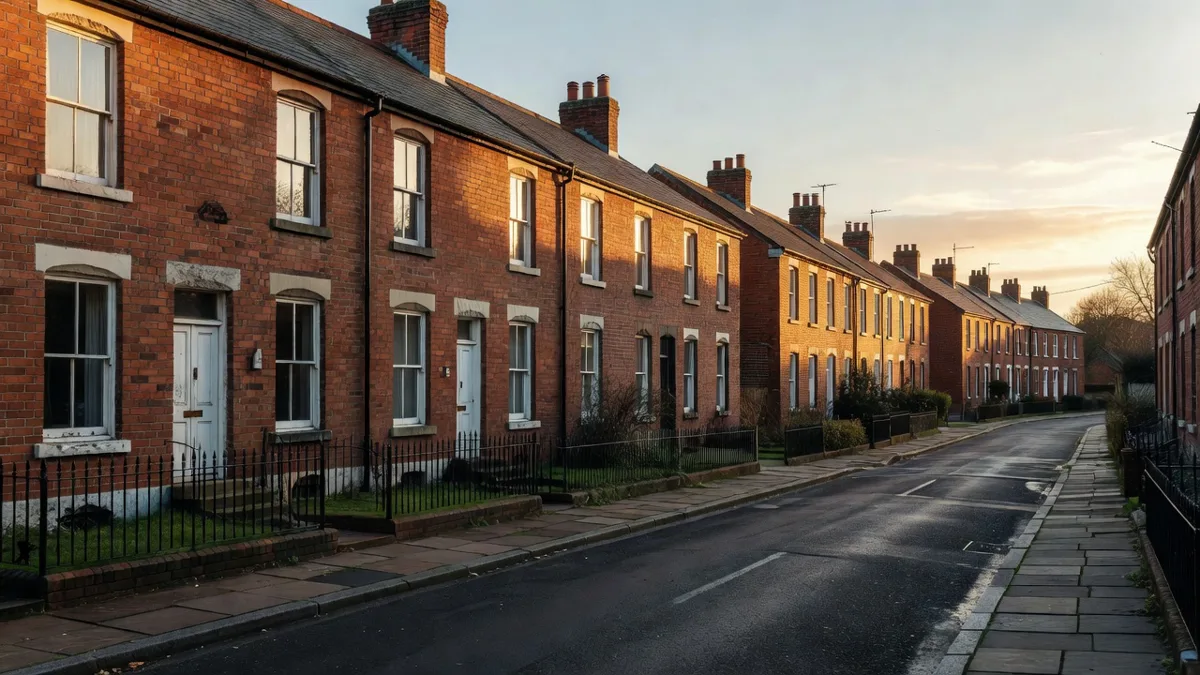
The average UK house price stood at £273,000 in August 2026, according to the latest ONS figures. In England the figure was higher at £294,000. Annual house price growth has been modest, recording just 0.9 percent for the UK and 0.4 percent for England over the 12 months to August 2026.
By contrast, rental growth remains firmer. Average monthly private rents across the UK reached £1,406 in the 12 months to September 2026, reflecting 3.8 percent annual growth. This divergence between house price and rental growth has produced a gross rental yield of 6.18 percent, with an implied amortisation period of 16.2 years according to Interkon Insights calculations.
| Region | % |
|---|---|
| UK | 0.9% |
| England | 0.4% |
| Wales | 3.1% |
| Scotland | 2.9% |
Source: ONS
Why Construction Costs Matter More in 2026
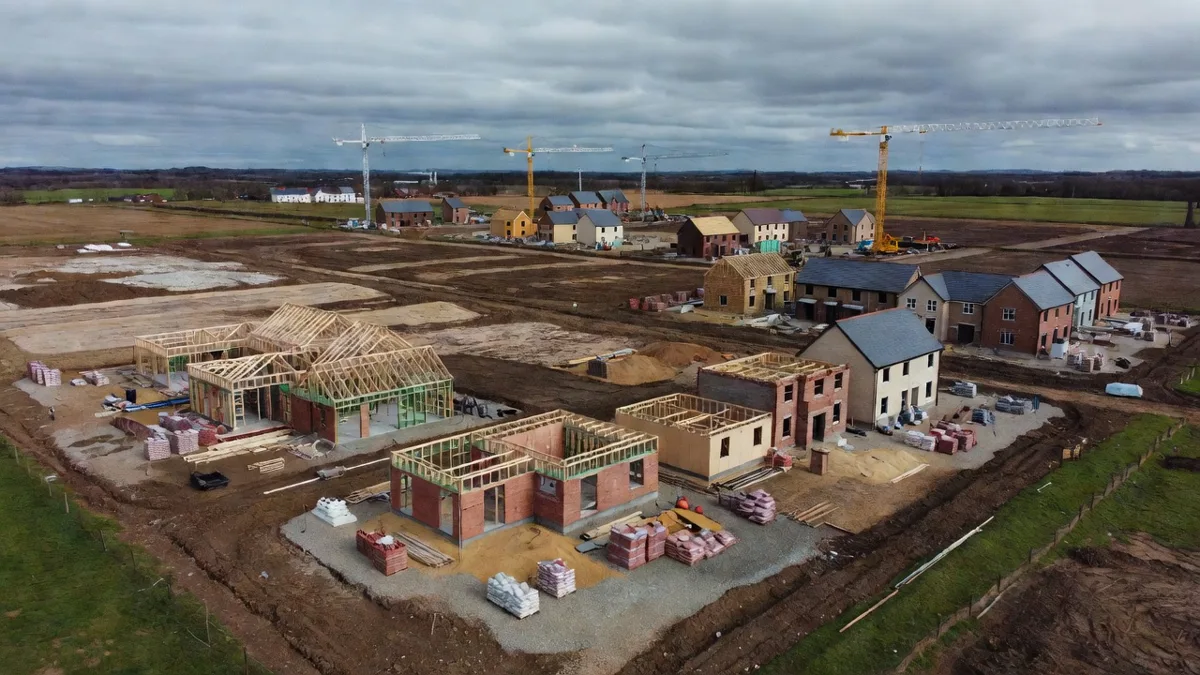
Unlike previous cycles where labour shortages dominated, current cost pressures stem from a combination of elevated material prices, regulatory compliance costs, and higher financing expenses for developers. The 3.2 percent annual increase in construction output prices continues to erode project viability, particularly on brownfield and higher-density schemes where planning obligations are substantial.
Consequently, new housing completions remain below government targets. This chronic undersupply reinforces price levels even as mortgage rates stabilise at higher levels than those seen in the previous decade.
UK vs Turkey: Contrasting Cost and Price Dynamics
Foreign investors comparing the UK and Turkish markets will notice markedly different dynamics. While UK construction costs rose 3.2 percent in the year to September 2026, Turkey recorded a 22.34 percent annual increase in its House Price Index in September 2026 according to TCMB data. This highlights Turkey’s significantly higher nominal price growth, driven by inflation and currency effects.
However, the UK offers greater rental yield stability and stronger legal protections for landlords. Investors seeking inflation-hedging through capital appreciation may lean towards Turkey, while those prioritising predictable income streams and long-term capital preservation tend to favour the more mature UK market despite lower nominal growth.
Investment Implications for 2026 and Beyond
The combination of constrained new supply and resilient rental demand creates a supportive backdrop for UK residential investment. Areas with strong employment fundamentals and limited development pipelines are likely to experience firmer rental growth and price resilience.
Investors should focus on properties where construction cost inflation has already been absorbed — either existing stock or schemes where developers have secured fixed-price contracts. New-build properties coming to market in late 2026 and 2027 will carry higher embedded construction costs, which are likely to be passed on to buyers through elevated pricing.
Yield compression remains a risk in prime locations, but the current 6.18 percent gross yield still offers a reasonable buffer compared with many European markets. The key variable to monitor is whether construction cost growth moderates or whether persistent inflation further restricts supply.

Frequently Asked Questions
How do rising construction costs affect UK house prices?
Higher construction costs reduce the profitability of new developments, leading developers to delay projects. This reduction in future supply supports existing house prices, particularly in regions where demand exceeds available stock. In 2026, the 3.2 percent rise in construction output prices continues to act as a floor under values.
Are UK rental yields attractive compared with other markets in 2026?
With average gross rental yields at 6.18 percent and an amortisation period of 16.2 years, UK residential property offers competitive income returns relative to many developed markets. Rental growth of 3.8 percent outpacing house price growth of 0.9 percent has improved the yield picture for investors.
Should foreign investors buy existing UK properties or wait for new developments?
Existing properties generally carry lower embedded construction cost inflation than new-build units expected in 2027. Investors prioritising immediate income and capital preservation tend to favour established stock, while those seeking modern specifications must accept higher entry prices that reflect recent cost increases.
This content has been prepared by İNTERKON REALTY GROUP and İNTERKON INSIGHTS for informational purposes only. Data is compiled from publicly available official sources (ONS, HM Land Registry). Amortization periods are calculated on a gross yield basis. This article does not constitute investment advice. Professional advice should be sought before making any investment decision. İNTERKON REALTY GROUP and İNTERKON INSIGHTS cannot be held liable for any damages arising from the use of this information.