



Why Are the Karatay Medrese Tile Works So Important?
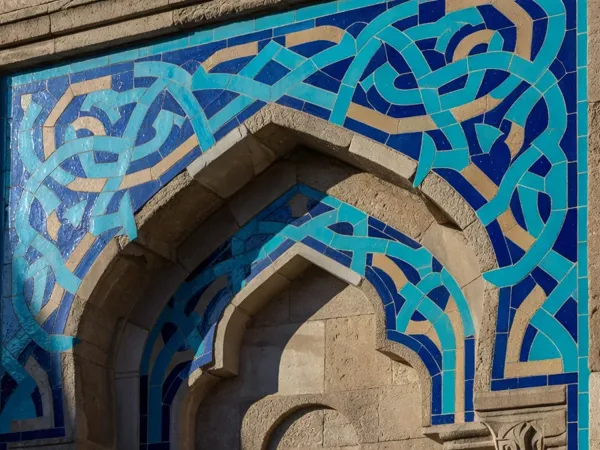
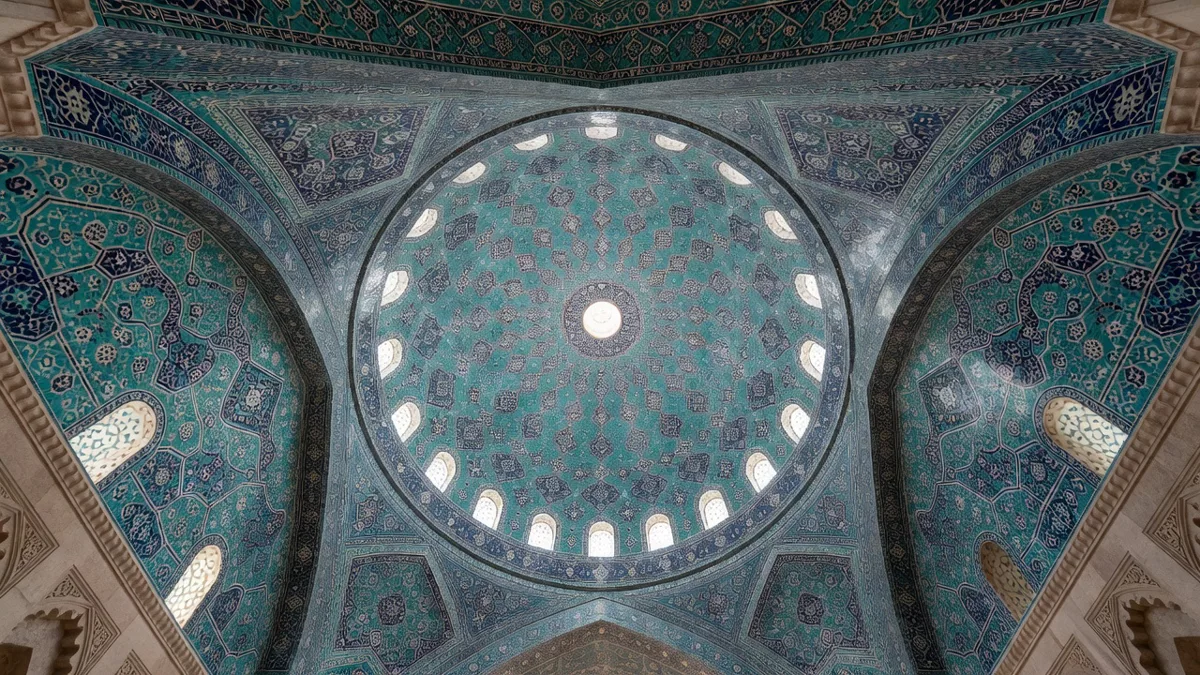
The Karatay Medrese’s tile works house some of the most refined and technologically advanced mosaic tile examples from the Anatolian Seljuk period. The tile mosaics in the dome transitions and the mihrab, in particular, represent the peak of the era in terms of both pattern richness and colour durability.
These works are more than mere decorative elements; they are proof of an advanced artistic technique developed in Seljuk palace workshops. This structure in Konya is still regarded today as one of the world’s leading tile museums.
The Medrese’s Architectural Design and the Placement of Its Tiles
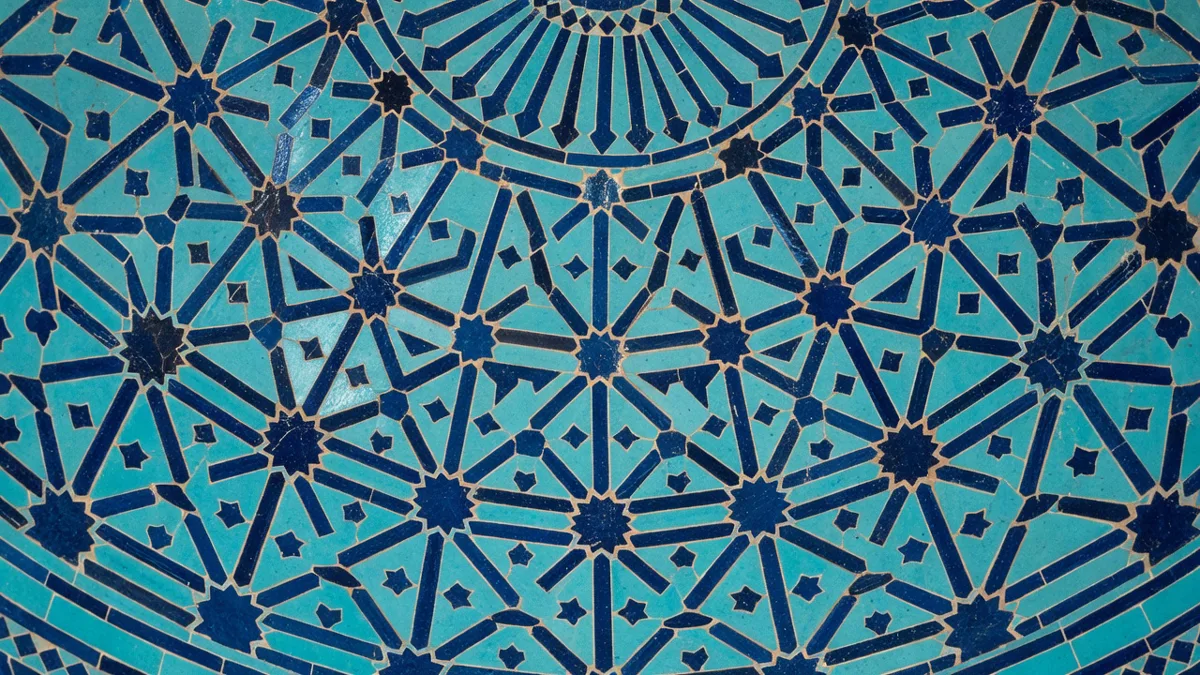
The Karatay Medrese was built in 1251 by the Seljuk Vizier Emir Celaleddin Karatay. Unlike the classic Seljuk medrese layout, the building has a square plan covered by a large dome. This dome is one of the first major examples in Turkish architecture to be clad with tile mosaic.
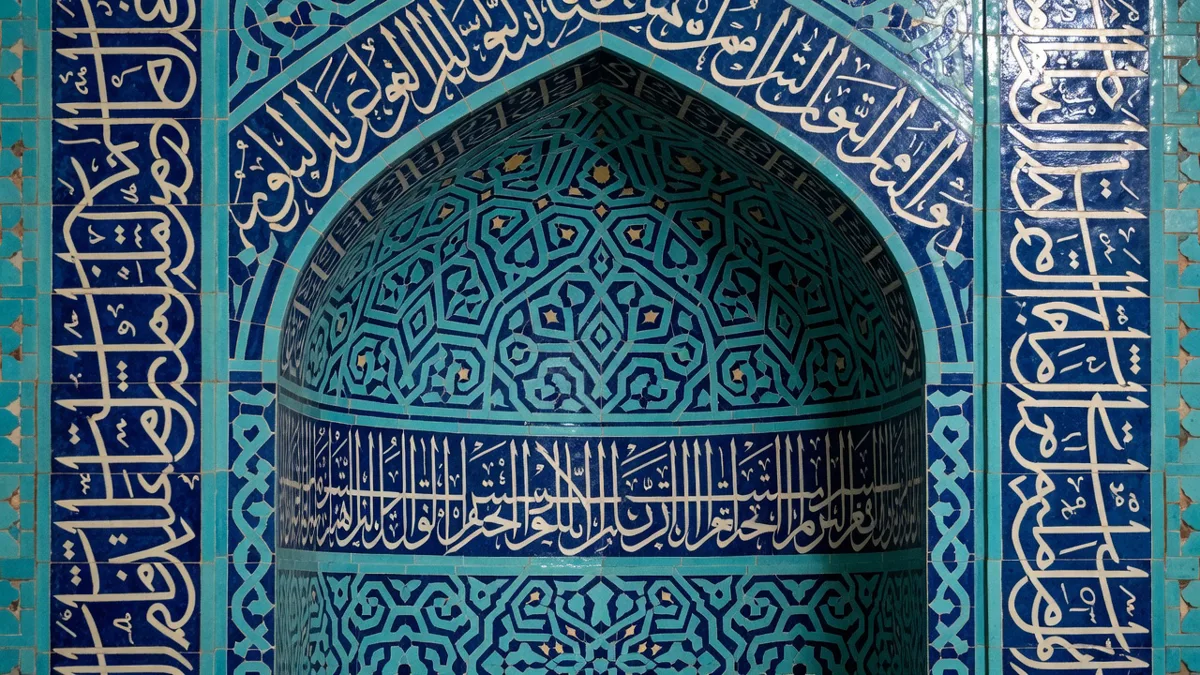
The tile mosaics are concentrated especially in the dome pendentives, squinches and the mihrab niche. In compositions dominated by blue, turquoise, black and white tones, geometric, floral and calligraphic motifs are used together. The flawless symmetry of the patterns and the almost invisible joints demonstrate the extraordinary skill of the period’s tile masters.
Tile Techniques and Materials Used
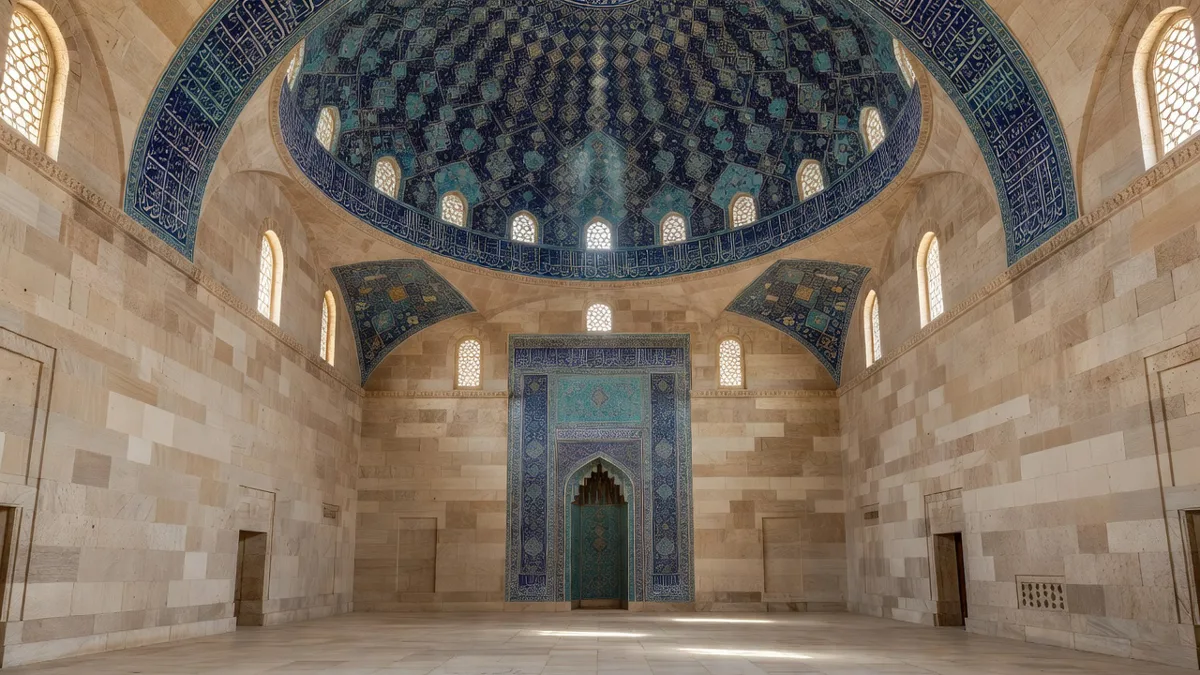
Mosaic tile technique was applied in the Karatay Medrese. In this method, single-colour glazed tiles are cut using a special technique into pieces according to the desired pattern and embedded into a plaster base with the glazed surfaces facing outward.
This technique provides both colour depth and exceptional longevity. Each of the more than 2,000 tile pieces inside the dome was cut by hand. The fact that the turquoise and navy tones have remained unfaded for over 750 years is testament to the quality of Seljuk glazing technology.
Points to Note When Visiting Karatay Medrese
The Karatay Medrese now operates as a museum managed by Konya Metropolitan Municipality. Following these steps during your visit will help you better appreciate the works:
- Before entering the medrese, examine the brick and stonework on the exterior façade. This highlights the Seljuk architectural tradition that contrasts beautifully with the tiles.
- When you reach the area beneath the dome, turn slowly and follow the pattern transitions in the pendentives. The designs flow like a story in a clockwise direction.
- As you approach the mihrab section, carefully study the examples of calligraphy and Quranic verses in the tile mosaic. This is where the finest examples of intertwined script and geometric patterns can be seen.
- Examine the information panels and restored pieces in the museum. It is important to distinguish between the original and completed sections.
Preservation and Restoration of the Tile Works
The tiles of the Karatay Medrese have undergone several comprehensive restorations in the 20th century. The priority in these restorations has been the protection of original pieces and ensuring that any new additions are clearly distinguishable.
Under the supervision of the Konya Regional Council for the Preservation of Cultural Heritage, special climate-control systems have been installed to protect the tile mosaics from moisture, salt and air pollution. Visitors should also help maintain this delicate balance by avoiding flash photography and refraining from touching the surfaces.
Frequently Asked Questions
Are the tiles in the Karatay Medrese original?
Yes, the vast majority of the tiles in the dome and mihrab date back to the 13th century. During restorations, only a very small number of damaged pieces were replaced using techniques consistent with the period. Original pieces still predominate.
Is there an entrance fee for the medrese?
The Karatay Medrese can be visited free of charge with a Museum Card. Current fees for visitors without a Museum Card can be obtained from the Konya Metropolitan Municipality website or at the ticket office.
What is the best time of day to see the tile works?
Natural light illuminates the interior of the dome better in the afternoon, making the details clearer. The depth of the turquoise and navy colours becomes particularly striking during the hours when the sun is lower in the sky.
If you are planning to visit Karatay Medrese, be sure to include this remarkable structure among your top stops on any trip to Konya. Seeing the finest examples of Seljuk tile art in situ is the best way to truly appreciate the city’s rich historical character.