



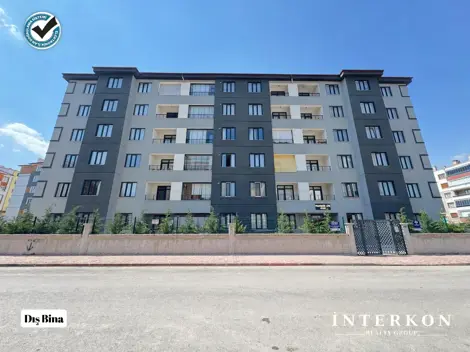




Real estate investment is not always a simple set of numbers and analyses; it is a complex process that also includes environmental factors. When investing, in addition to features such as residential, commercial, or land properties, the microclimate characteristics of the area should also be taken into account. Microclimate refers to how climate is shaped in a smaller area rather than the general climate of a broader region. In this article, we will discuss the effects of microclimate factors on real estate investments and the elements that need to be considered when selecting a location.
What is Microclimate?
Microclimate refers to weather conditions that typically apply to areas ranging from a few hundred meters to a few kilometers. For example, the temperature on a hillside can differ from that at the bottom of a valley. This is influenced by factors such as vegetation, water sources, topography, and man-made structures. The key determinants of microclimate include:
- Topography: Mountains, valleys, and flat terrain are fundamental determinants of microclimate. For instance, temperature generally decreases as elevation increases.
- Vegetation: Trees and other plants can influence local climate by providing shade and moisture.
- Water Sources: Lakes, rivers, and seas are known to alter the climate of the areas where they are located.
- Man-Made Structures: Buildings, roads, and other human-made structures can affect wind flow and temperature distribution.
The Connection Between Microclimate and Real Estate Investments
Microclimate can directly influence real estate investment. For example, the amount of sunshine, air quality, and temperature in an area can affect the value of properties there. Here’s how microclimate can play a role in real estate investments:
- Investment Value: The impact of a microclimate on residential or commercial properties determines the sale and rental values of those assets. Areas with dense buildings that create a heat island effect may see lower demand during hot summer days.
- Environmental Sustainability: Microclimates affected in warmer climates can be important for energy efficiency. Farmers seeking ideal conditions to grow quality produce must also consider the greenhouse effect.
- Tenant Preferences: Since tenants often prioritize environmental quality, clean air, natural beauty, and green spaces are highly desirable features.
- Transportation and Infrastructure: Microclimate optimization can also be critical in the design of transportation and infrastructure projects. A favorable microclimate can influence a region’s infrastructure and transport links.
Key Points to Consider Regarding Microclimate
Before making a real estate investment, here are the important points to consider regarding microclimate:
- Local Climate Data: Review accessible local climate information. You can obtain this from meteorological offices and the ministry of environment.
- On-Site Conditions: Walk the land and observe how the microclimate behaves. Examine variations in vegetation and temperature across different areas.
- Consult Experts: Speak with local real estate consultants and environmental experts to better understand the microclimate dynamics of the area. Specialized firms like interkonrealtygroup.com can provide in-depth insights on this topic.
- Long-Term Projections: Make your location decisions while considering long-term effects such as climate change. Future climate shifts can impact the value of the area.
Conclusion
When making real estate investments, microclimate factors should not be overlooked. The climate of a region has a direct impact on quality of life, property values, and tenant preferences. Understanding these effects will help you guide your investment with greater awareness and a more strategic perspective. Don’t forget to consider the influence of microclimate to achieve more sustainable and profitable investments in the future.
In conclusion, microclimate is a critical factor in real estate investments. By taking these factors into account, you can make more informed and profitable investments.