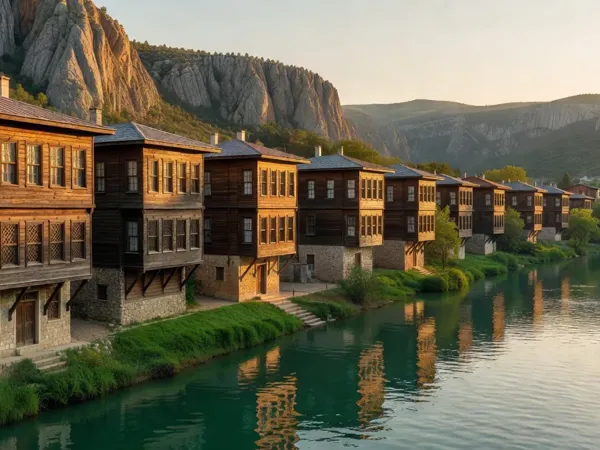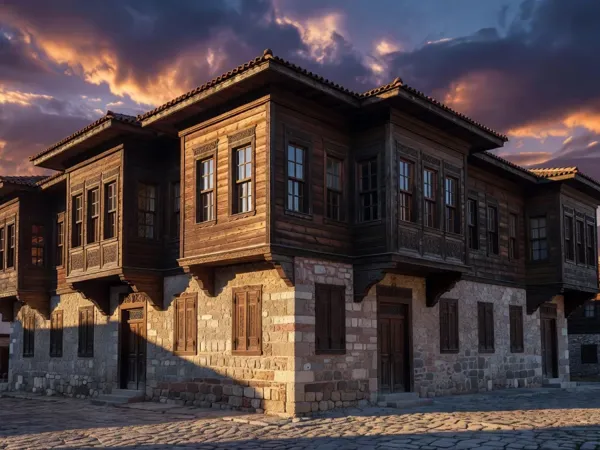





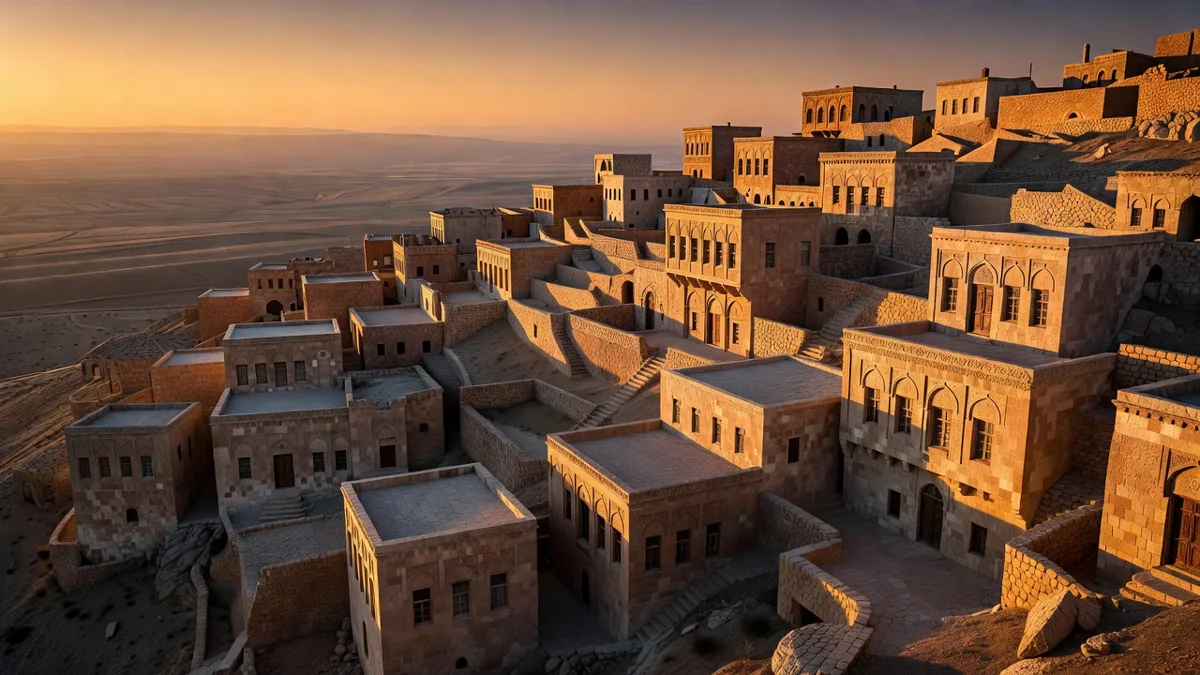
What Architectural Style Do Mardin Stone Mansions Have?
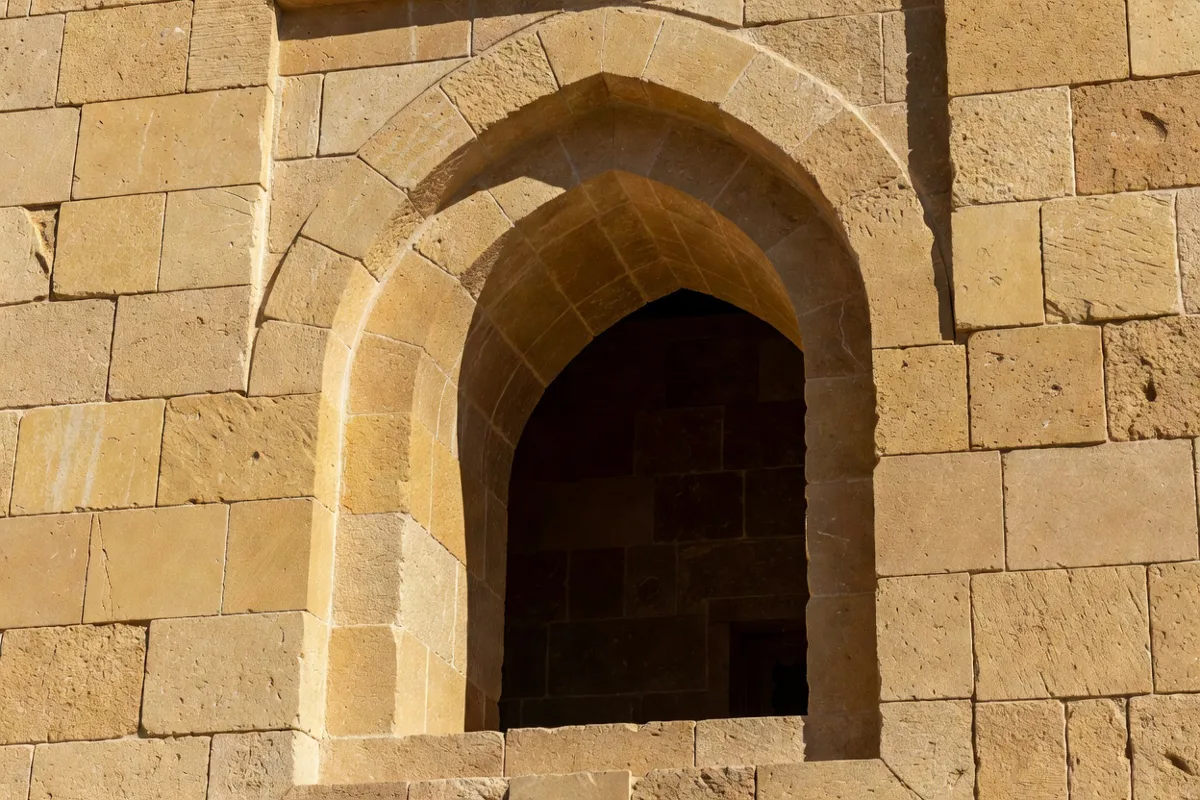
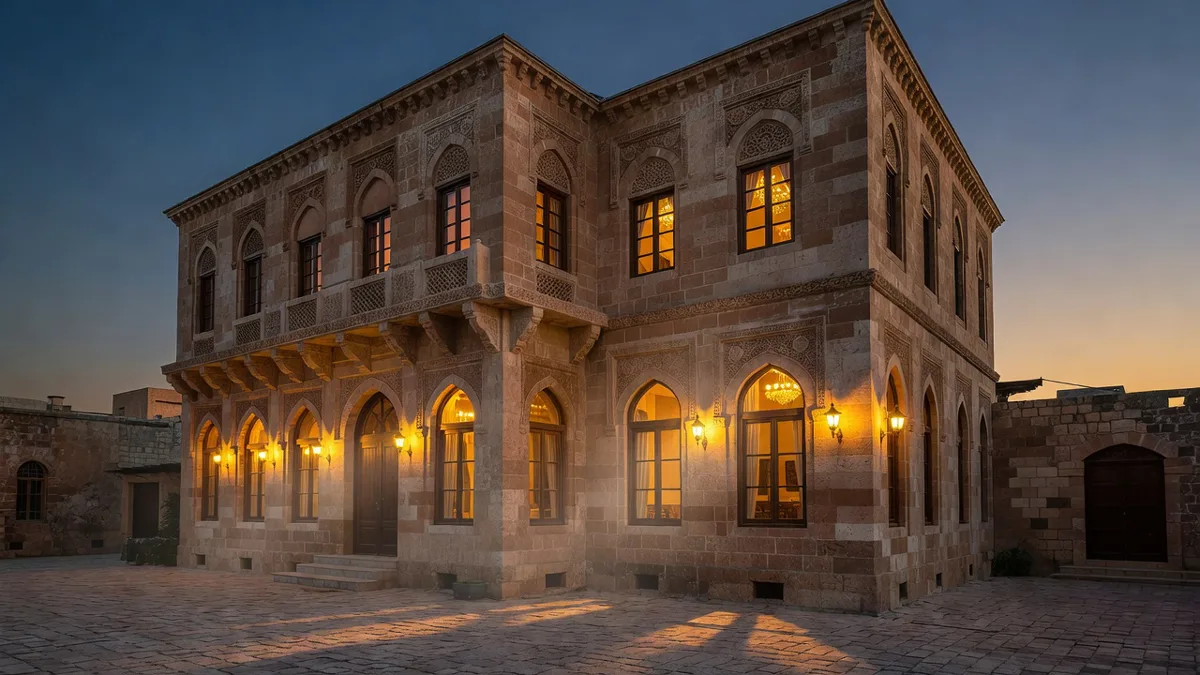
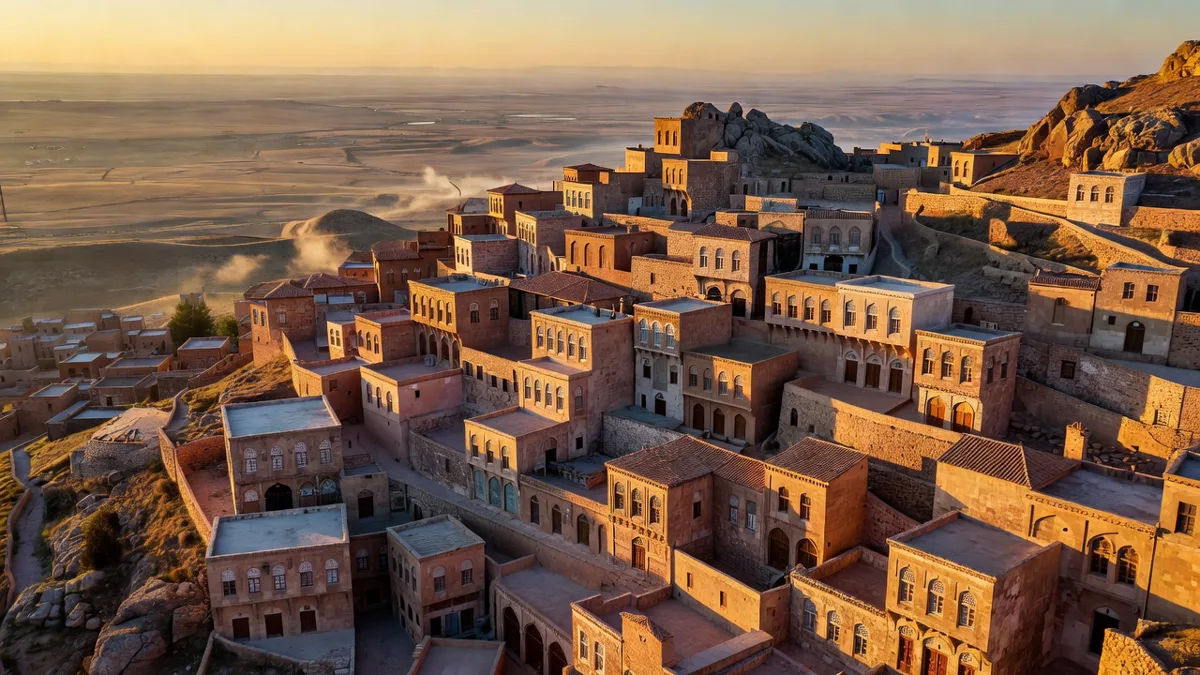
Mardin stone mansions feature a dignified, vertical architecture that makes almost no attempt to conceal the natural texture of the region’s distinctive yellow limestone. Thick stone walls, narrow tall windows, inward-facing courtyards and terraces are all designed to manage the extreme summer heat and sharp winter cold.
Façade decoration is minimal. Instead, the stonework itself becomes the art. Carefully cut large blocks, arched doorways and the narrow covered streets known as “abbara” strike a perfect balance between the home’s privacy and neighbourly relations.
Floor Plans and Interior Layout of the Mansions
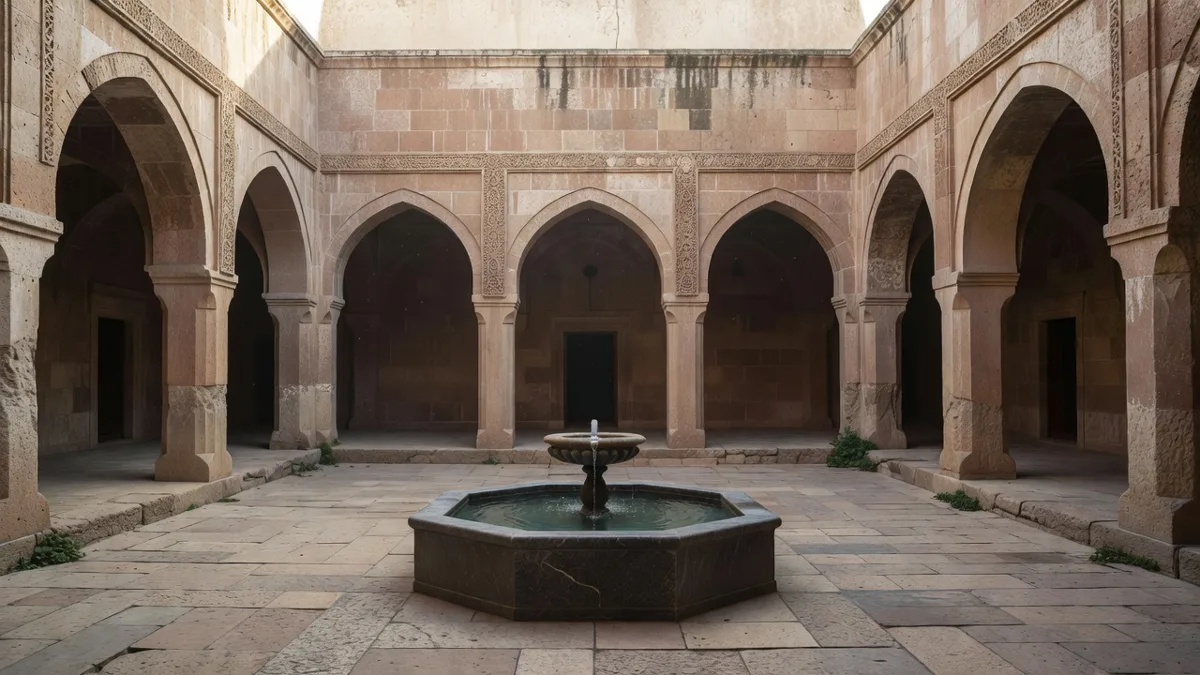
A typical Mardin stone mansion is three storeys high. The ground floor is usually used for storage, stables and service areas. The first floor is the “hayat” – the family’s everyday living level. The top floor consists of the summer “sofa” and guest rooms.
The layout is built around a central courtyard, with all rooms opening onto it. A fountain or selsebil is usually found in the middle of the courtyard. High ceilings and thick walls keep the interiors cool throughout the summer.
Materials and Details Used in Mardin Stone Mansions
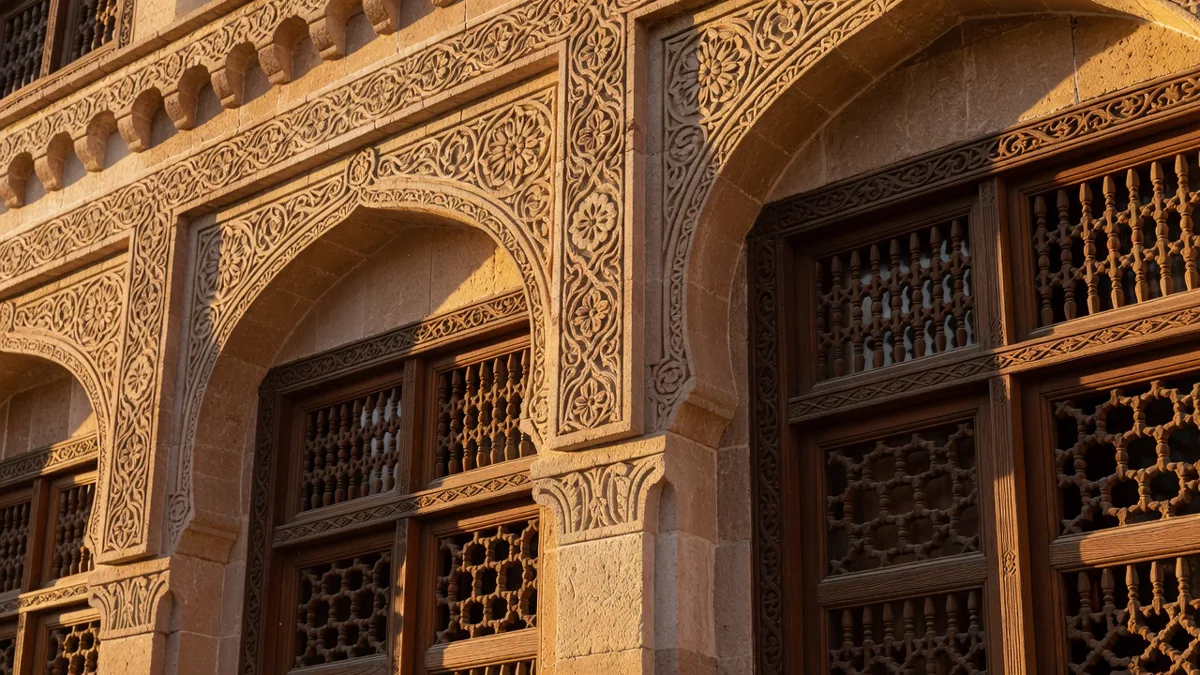
The main material is the yellowish-white limestone quarried from the stone pits just north of Mardin. This stone is both easy to work and hardens over time, becoming even more durable. Harder basalt stone is preferred for door and window frames, arches and staircases.
Wood is used sparingly – usually walnut or oak for ceilings and window frames. Local ironwork in window grilles and door knockers adds both security and aesthetic appeal to the mansions.
How Are These Mansions Used Today?
Today, a significant portion of Mardin’s historic stone mansions have been restored and now serve as boutique hotels, museums, cultural centres and cafés. Some remain as private residences, while a small number stand in dilapidated condition awaiting restoration.
The greatest challenge in the restoration process is integrating modern comforts (heating, humidity control, fire safety) without compromising the original stonework. Decisions from the Preservation Board and incentives from the Ministry of Culture and Tourism play a decisive role.
Key Considerations When Buying or Restoring a Stone Mansion in Mardin
Buying or restoring a mansion is a serious commitment. The following criteria will help clarify your decision:
- Whether the mansion is registered as a protected cultural asset (records from the Directorate General of Land Registry and Cadastre and the relevant Preservation Board)
- Expert reports confirming the building’s structural condition
- Approval status of the restoration project by local authorities and the Cultural Heritage Preservation Board
- Zoning status and future urban transformation risks in the neighbourhoods where the mansions are located (Savurkapı, Zeytinli, Medrese Mahallesi)
- Accurate costing of restoration works based on the building’s size and existing damage
A professional team consisting of an experienced architect, restorer and real-estate consultant should be assembled to evaluate these criteria.
Frequently Asked Questions
During which period were Mardin stone mansions built?
Most stone mansions were constructed in the second half of the 19th century and the early 20th century, particularly during the later Artuklu and Ottoman periods. They were built at a time when families grew wealthier and Mardin became an important trade centre.
Do the stone mansions stay cool in summer and warm in winter?
Yes. The thick limestone walls (sometimes 80–120 cm) keep heat out in summer and retain warmth inside during winter. The natural ventilation system and high ceilings further support this balance.
Can historic stone mansions be used as hotels?
Yes, they can. However, an operating licence from the Ministry of Culture and Tourism, restoration approval from the Preservation Board and a tourism business licence from the relevant municipality are all mandatory. Comfort upgrades may be added provided the original architectural fabric is preserved.
If you are considering acquiring a stone mansion in Mardin, we strongly recommend first clarifying its conservation status and working with an experienced restoration team. As Interkon Realty Group, we support you in protecting this historic heritage while also evaluating its investment potential.