



Architectural Structure of the Amcazade Hüseyin Paşa Mansion
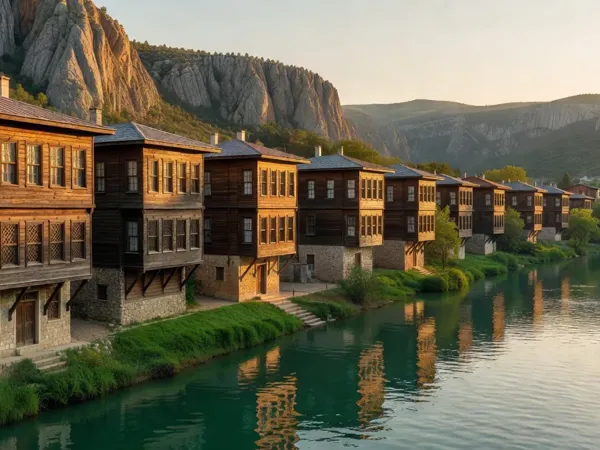
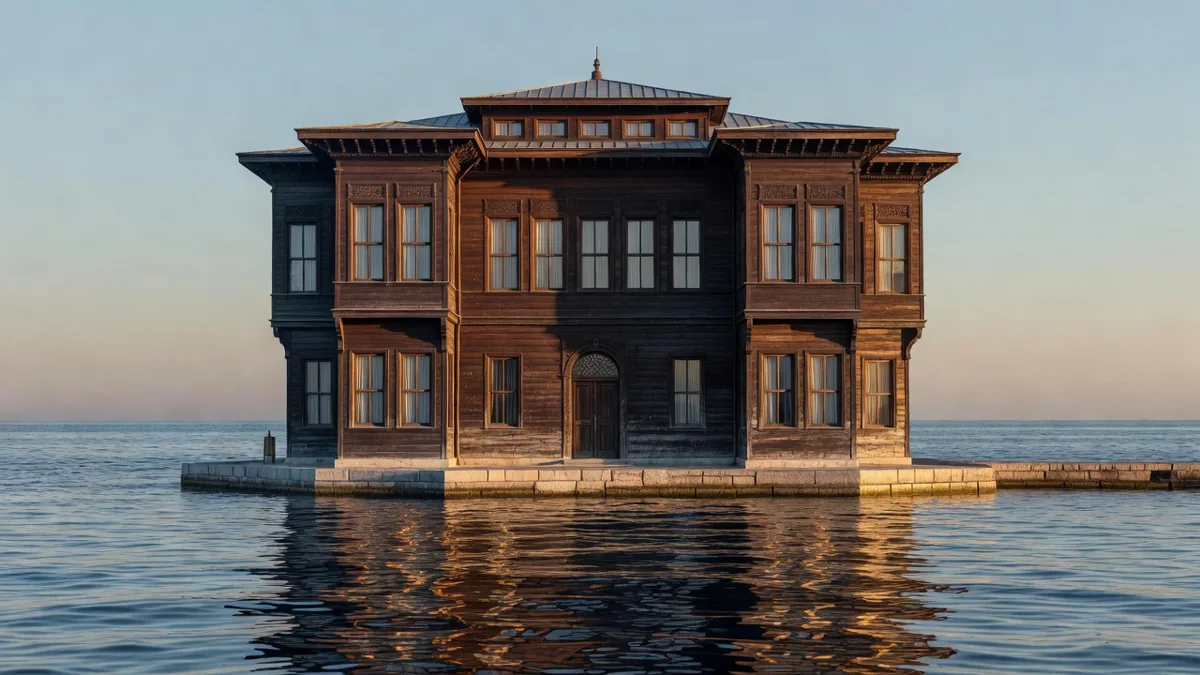
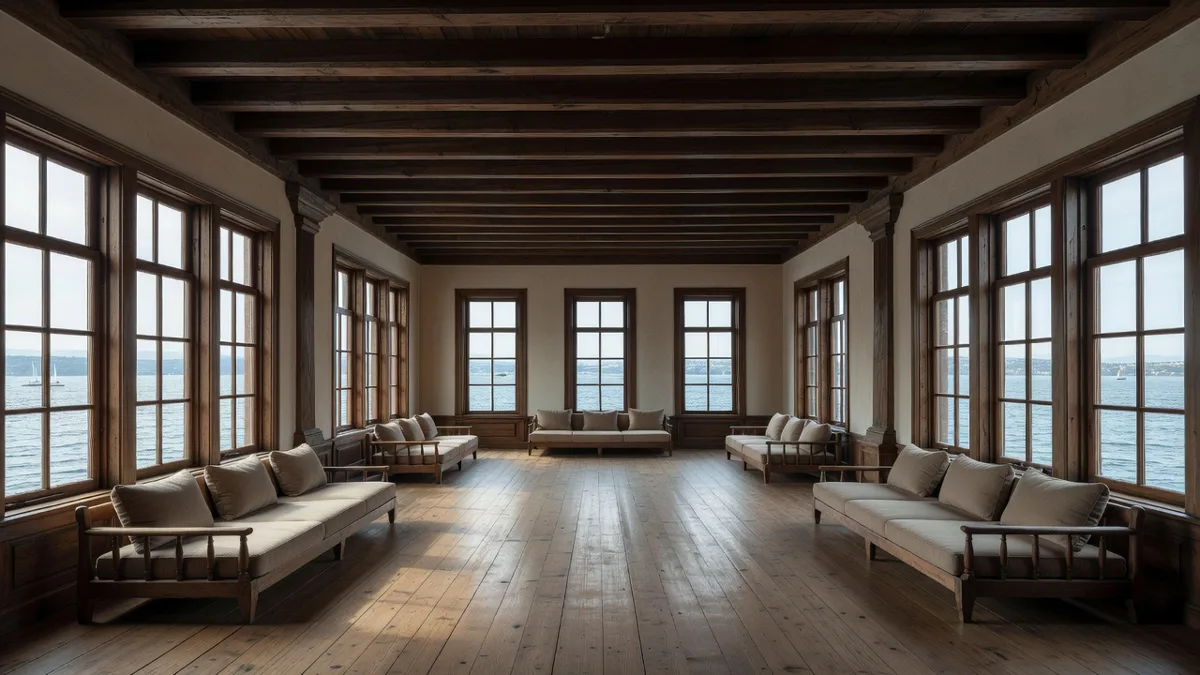
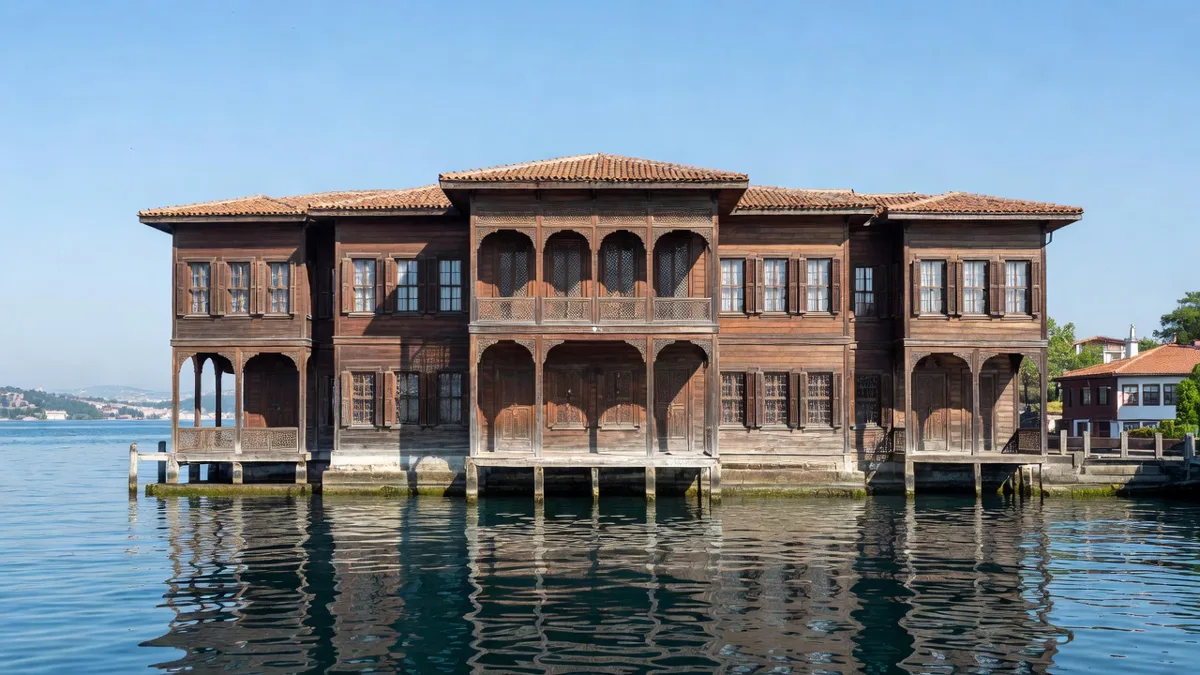
The Amcazade Hüseyin Paşa Mansion is located on the shores of Anadolu Hisarı, at a strategic point where the Bosphorus narrows. The building represents one of the purest examples of classical Ottoman yalı architecture. The spacious sofa running along the seafront, the projecting bay windows, and the wooden lattice windows on the upper floor define the mansion’s direct relationship with the Bosphorus.
Built on a two-storey wooden frame system, the yalı rests on stone foundations. While the ground floor is primarily dedicated to service and storage areas, the main living floor is above. This floor plan reflects the “hayat” sofa layout commonly seen in Ottoman mansions and waterfront residences.
Façade Layout and Woodwork of the Köprülü Yalı
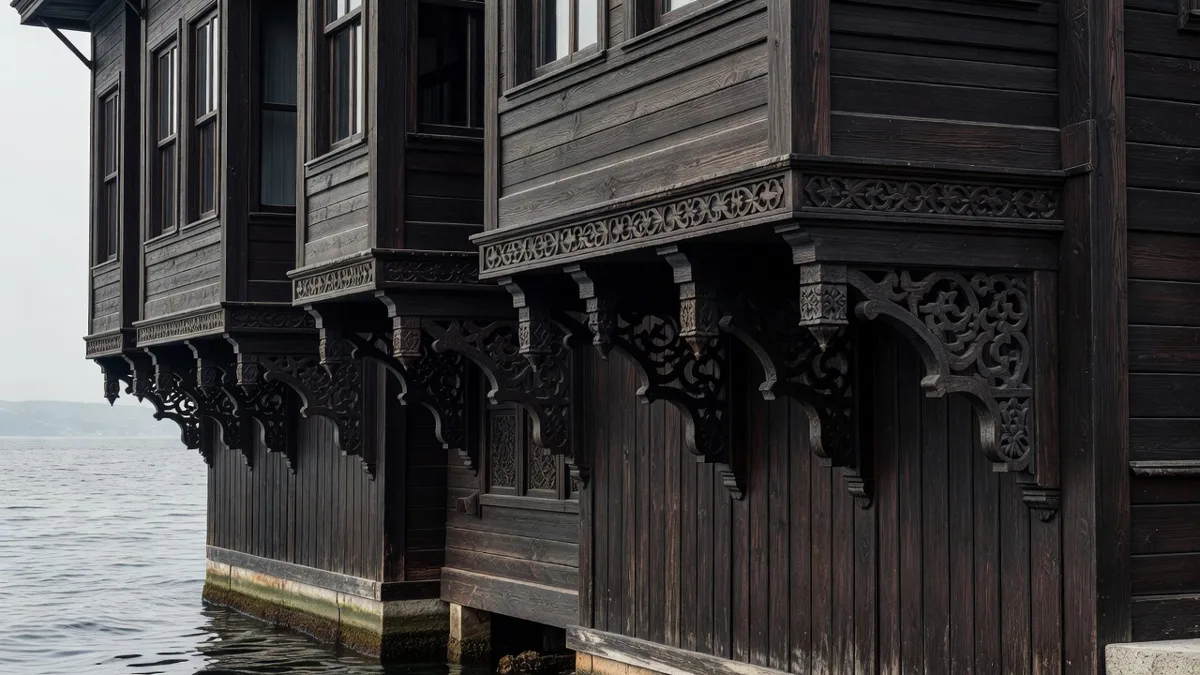
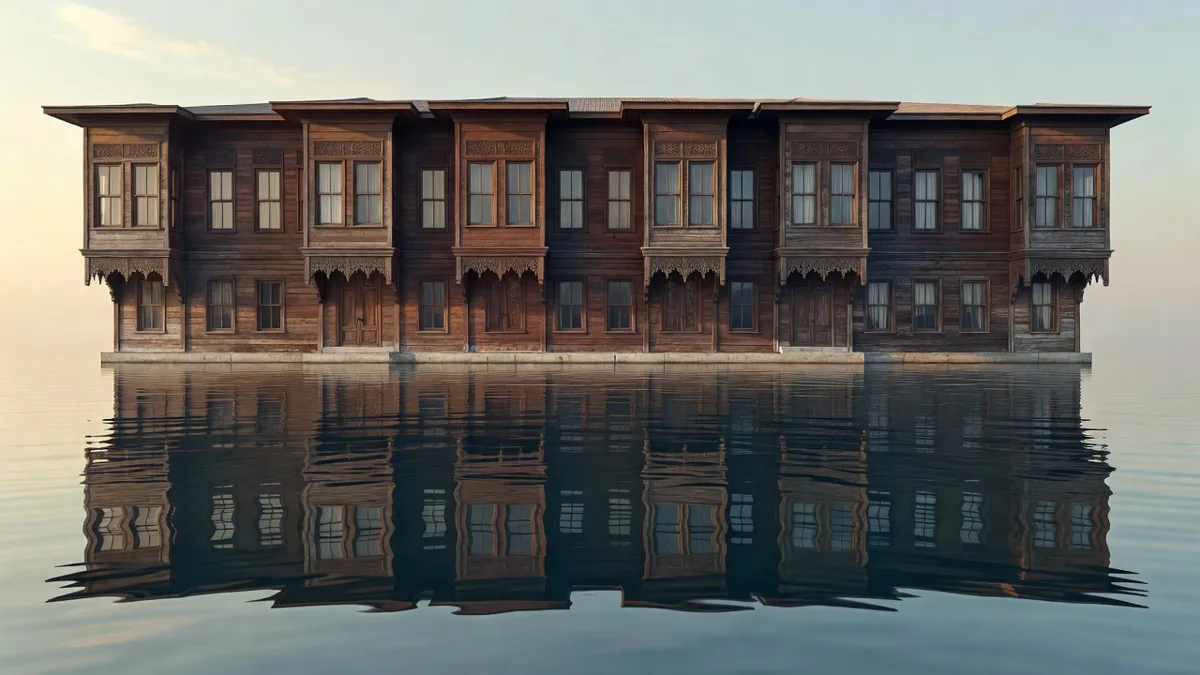
The most striking feature of the yalı is the symmetrical arrangement of bay windows on its sea-facing façade. Each bay window both adds a Bosphorus view to the interior and gives the façade a rhythmic dynamism. The carved wooden decorations above the windows and on the pediments of the bays demonstrate the high quality of late 17th-century Istanbul wood craftsmanship.
The projections, consoles, and eaves are combined using the period’s typical “kündekâri” and “bindirme” techniques. Chestnut and pine woods were chosen for both their durability and aesthetic appeal. The contrast between the dark brown paint and the natural wood texture on the façade creates the building’s characteristic appearance.
Historical Period and Connection with the Köprülü Family
The yalı was commissioned by Amcazade Hüseyin Paşa, son-in-law of Köprülü Mehmed Paşa. The structure is one of the most significant landmarks reflecting the power and prosperity of a grand vizier’s family on the Bosphorus shores. Built in the second half of the 17th century, the yalı is considered one of the rare wooden waterfront mansions predating the Tulip Era.
Used for many years as the Köprülü family’s summer residence, the building has undergone various repairs over time. Today, the yalı has been restored by the Istanbul Metropolitan Municipality and largely preserves its historical character.
Current Use of the Amcazade Hüseyin Paşa Mansion
Today the yalı functions as a museum-house and cultural centre. It is a preferred venue for classical Turkish music concerts, literary talks, and architectural history seminars. The upper-floor sofa with its Bosphorus views offers visitors both an architectural and historical experience.
The Istanbul Metropolitan Municipality is responsible for the maintenance and restoration of the building, working in coordination with the Ministry of Culture and Tourism. Those wishing to visit can check the current event schedule via the yalı’s official website or through e-Government.
Architectural Preservation and Restoration Process
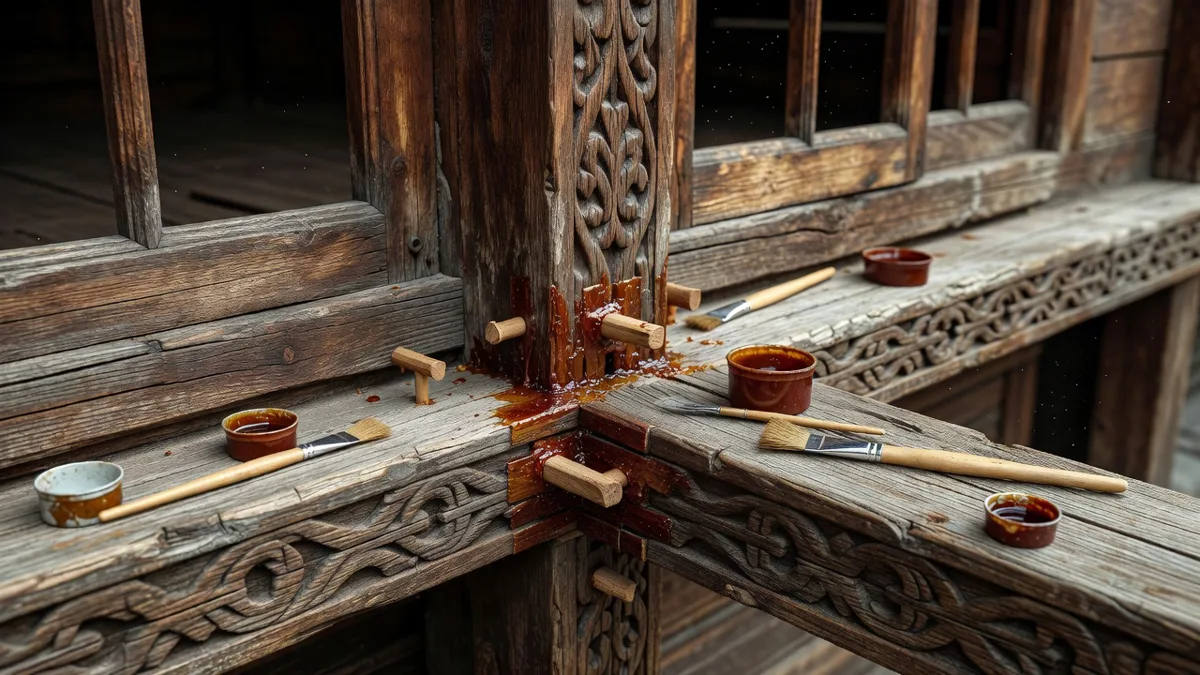
The Amcazade Hüseyin Paşa Mansion requires continuous maintenance due to factors such as salty air, humidity, and woodworm along the Bosphorus. Restorations prioritise original materials and traditional construction techniques.
The conservation process follows these steps:
- Detailed survey and photogrammetric documentation
- Wood analysis and identification of damaged sections
- Traditional splicing technique (ensuring new pieces match the old)
- Invisible integration of modern fire and moisture insulation systems
These works are carried out under the supervision of the Regional Council for the Conservation of Cultural Heritage.
Frequently Asked Questions
Can I visit the Amcazade Hüseyin Paşa Mansion?
Yes, it is open to the public on certain days and during events. Before visiting, the current programme should be checked with the Istanbul Metropolitan Municipality’s Department of Culture and Arts or the yalı’s official communication channels.
Is the yalı still privately owned?
No. After remaining in private hands for a long time, the property was expropriated, transferred to the ownership of the Istanbul Metropolitan Municipality, and restored for public benefit.
What is the most important architectural feature of the yalı?
It is the original 17th-century wooden frame system, the symmetrical bay window arrangement, and the uninterrupted spatial relationship it establishes with the Bosphorus. These features make the yalı one of the most significant historical wooden structures on the Bosphorus.
To get to know the Amcazade Hüseyin Paşa Mansion more closely and to learn more about similar historical buildings, you can explore other articles from Interkon Realty Group.