



The Universal Importance of Çatalhöyük
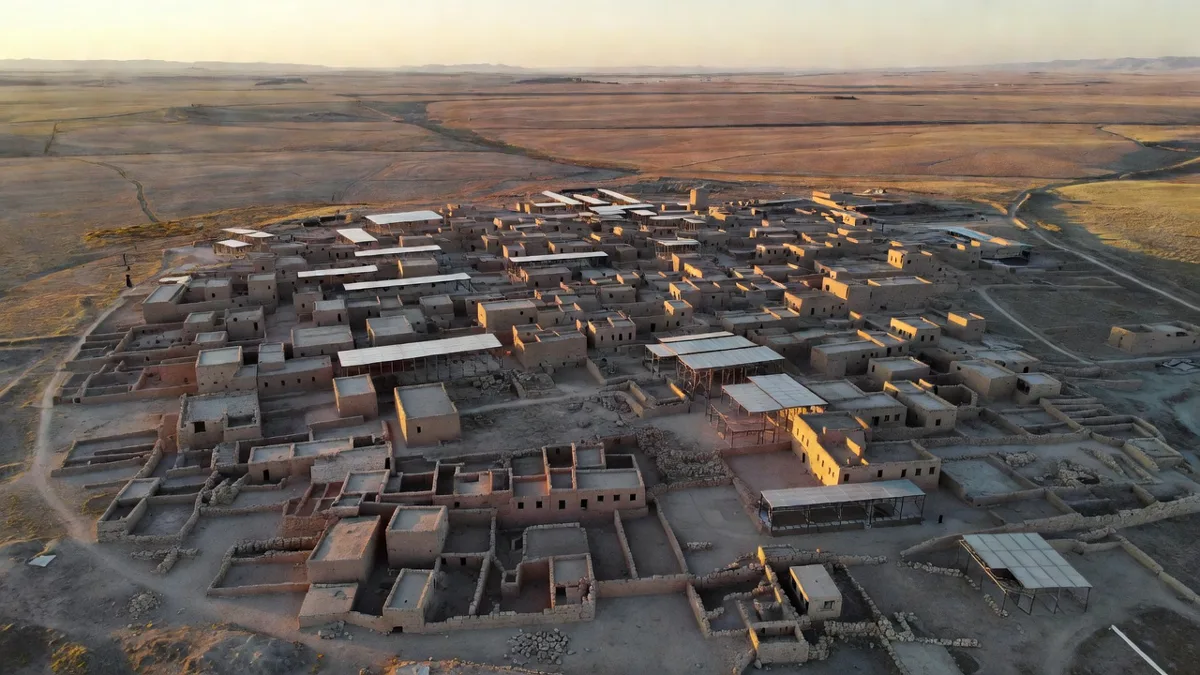
Çatalhöyük is a Neolithic settlement founded approximately 9,400 years ago and continuously inhabited for around 2,000 years. Listed as a UNESCO World Heritage Site, this area contains the earliest examples of agriculture, urbanisation and symbolic thought. It is one of the rare centres that most clearly illustrates humanity’s transition from hunter-gatherer societies to settled life.
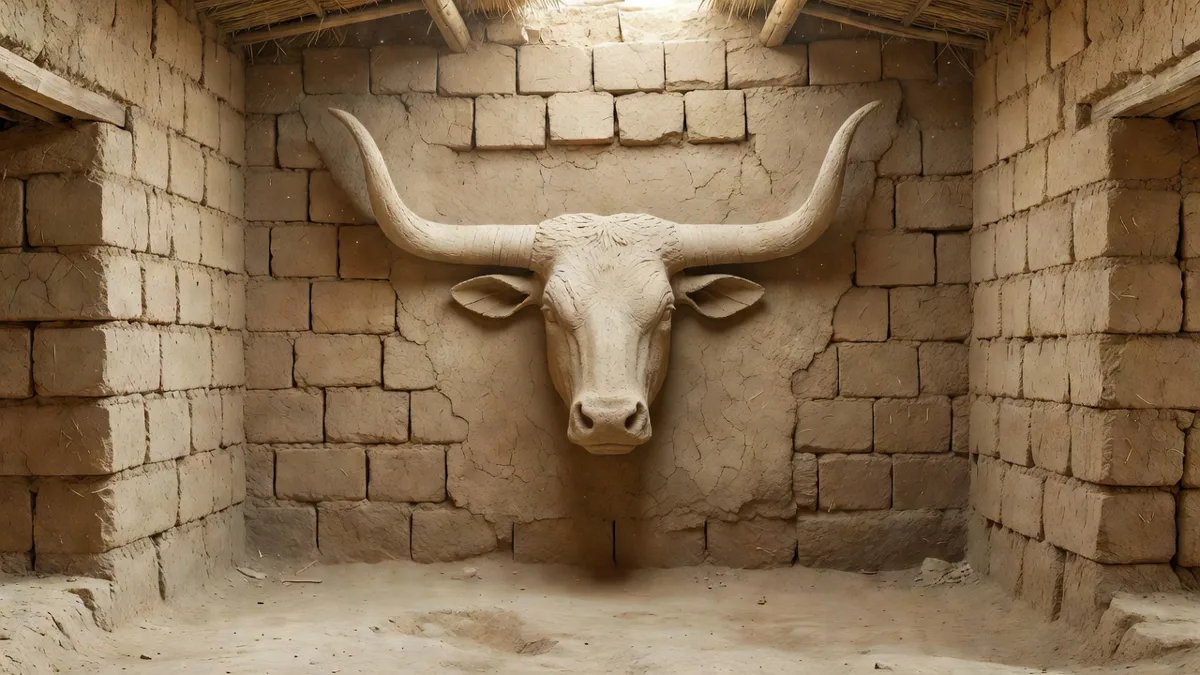
The structures uncovered here provide concrete evidence of the social organisation, belief systems and daily life of the people of that period. Bull’s head reliefs on the walls, geometric patterns and burials represent a cultural richness that archaeologists are still working to understand.
Experiencing Çatalhöyük as a Visitor
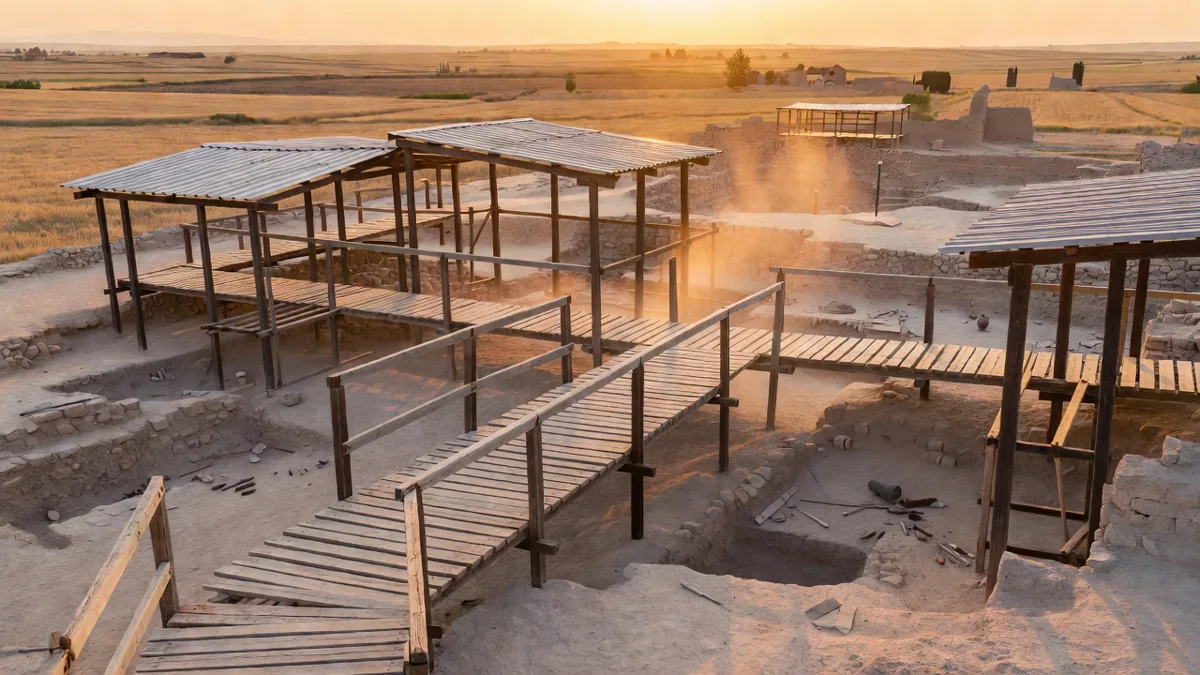
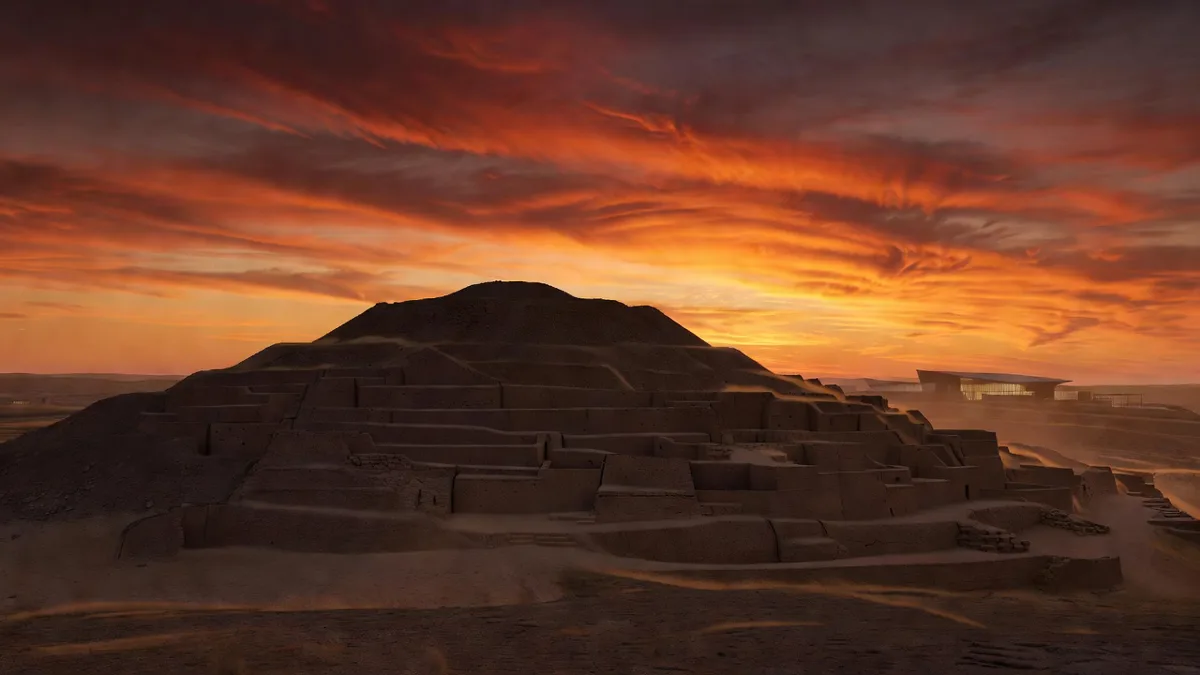
Visiting Çatalhöyük offers far more than a typical historical site tour. For conservation reasons, the site is divided into two main excavation mounds. The visitor route covering the East and West Mounds is laid out with wooden walkways and informative panels.
Visitors can closely examine a replica Neolithic house. The replica helps you understand how the original homes were built, how the interior spaces were organised, and how life was lived. Guided tours explain the meaning of the finds in context, while a self-guided route is also available.
Essential Information for Understanding the Site
To make the most of your visit to Çatalhöyük, it is recommended to follow these steps:
- The site, located approximately 10 kilometres from the centre of Çumra district, can be reached by private vehicle or by shuttle services departing from Çumra.
- Before visiting, check the current opening hours and tour schedules at the Çatalhöyük Visitor Centre.
- A walking route lasting 45-60 minutes is followed within the site. Comfortable footwear and clothing appropriate for the season are essential.
- The majority of important artefacts unearthed during the excavations are displayed at the Konya Archaeological Museum. Combining your visit with this museum completes the experience.
Elements That Bring Neolithic Life into the Present Day
At Çatalhöyük, houses were built side by side and on top of one another. There were no streets or courtyards. Homes were entered via ladders through openings in the roof. This layout reflects both defensive needs and strong social bonds within the community.
The bull heads, leopard figures and geometric motifs seen on the walls represent the belief system of the period. The dead were buried beneath the houses, and some bones were later removed and used in rituals. These practices demonstrate a complex understanding of the cycle of life and death.
Frequently Asked Questions
How long does it take to visit Çatalhöyük?
A standard visit lasts approximately 1 hour 15 minutes to 2 hours. If a guided tour is chosen, the duration may approach 2 hours. Those planning to visit the Konya Archaeological Museum as well should allow a total of 4-5 hours.
What else is there to see at Çatalhöyük besides the replica house?
The original excavation areas can be viewed under protective shelters. In addition, the excavation house, laboratory building and the exhibition hall inside the visitor centre can be explored. Replicas of the wall paintings and artefacts are also on display.
What is the best time to visit Çatalhöyük?
Late spring through early autumn is the ideal period. Temperatures can be very high during the summer months. Although the site is open year-round, the experience is more enjoyable when light and weather conditions are more favourable.
If you are planning to visit Çatalhöyük, be sure to add the Konya Archaeological Museum to your itinerary. Experiencing these two sites together will give you a much deeper understanding of one of the most critical turning points in the history of humanity in Anatolia.