



What is the Ivriz Rock Monument and Why is it Important?
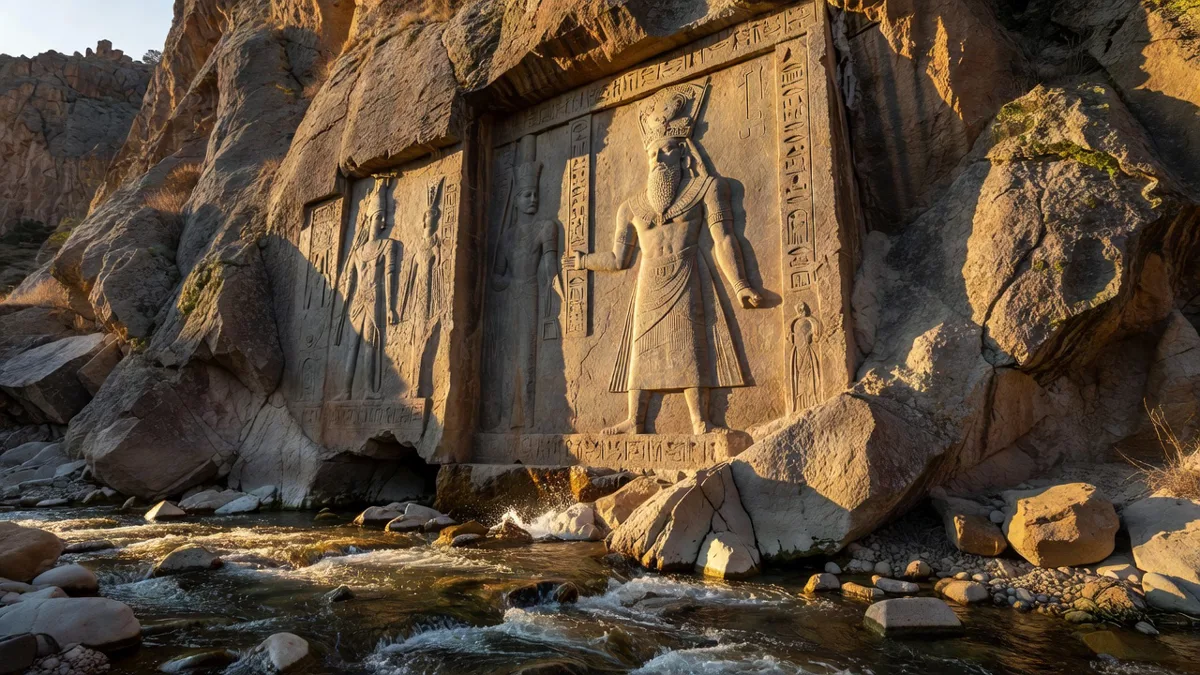
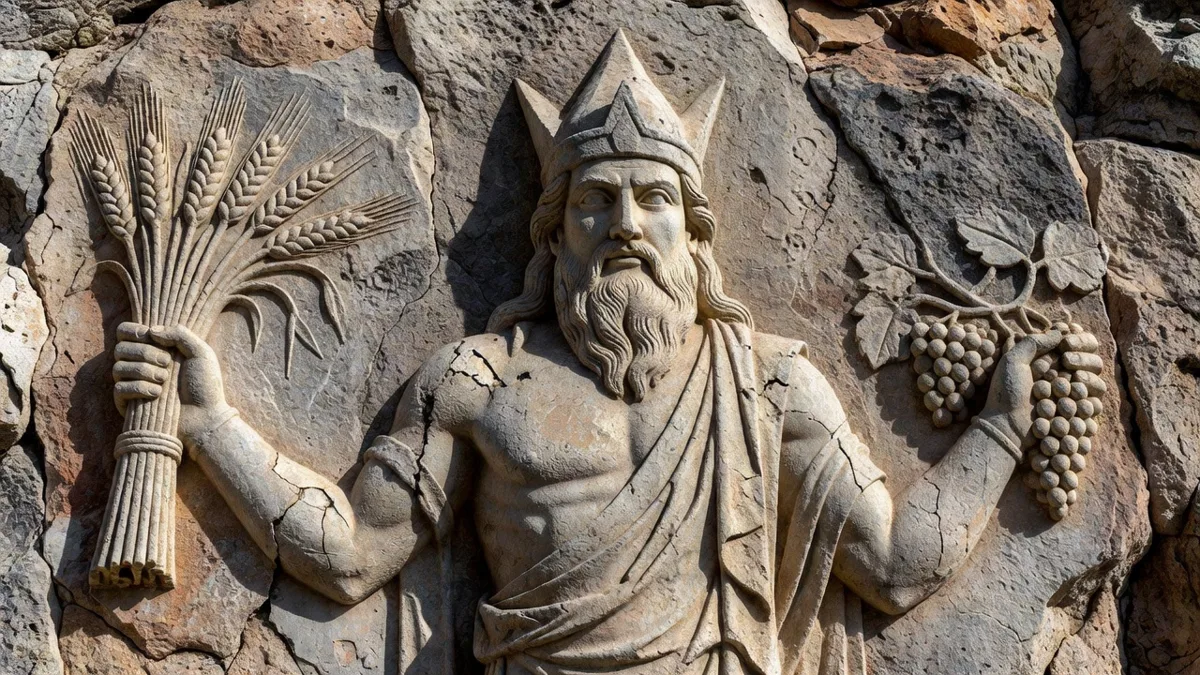
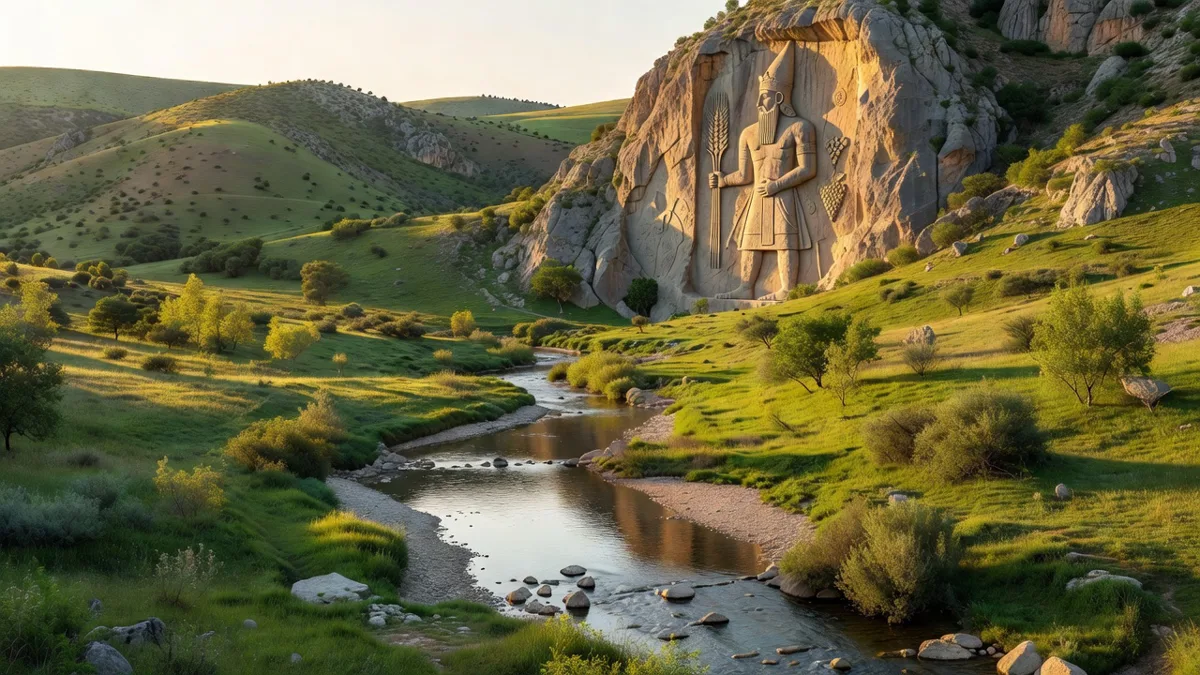
The Ereğli Ivriz Rock Monument is an 8-metre-high rock relief dating back to the 8th century BC in the Late Hittite period. The monument depicts the god of agriculture and fertility, Tarhunzas, surrounded by wheat ears and grape clusters, and overlooks a water source. This has made it both a religious and economic centre.
The monument also contains one of the longest texts written in Hittite hieroglyphs. This inscription provides critical information about the political and religious relations of the period.
Architectural and Artistic Features of the Monument
The Ivriz Rock Monument is carved into the natural rock surface using high-relief technique. The god Tarhunzas is depicted holding bundles of wheat in his left hand and clusters of grapes in his right. Opposite him, King Warpalawas is shown paying homage to the god.
At the base of the relief lies the water source that feeds the monument and is considered sacred. The constant flow of this water throughout the year has made the monument a “living” cult centre. The intricately detailed clothing, sandals and the horned headdress on the god’s head demonstrate the artistic mastery of the period.
The Cultural Significance of Ivriz for Konya and Ereğli
The Ereğli Ivriz Rock Monument represents one of Konya’s oldest historical layers. After the Hittites, it continued to be regarded as sacred during the Phrygian, Persian, Roman, Byzantine and Seljuk periods, bearing traces of different civilisations.
Known locally as “Ivriz Baba”, the monument is today both an archaeological treasure and an important part of local identity. It makes a major contribution to Ereğli’s touristic and cultural profile.
Practical Information for Those Wishing to Visit the Monument
To reach the Ivriz Rock Monument, follow the D-330 highway from central Konya towards Ereğli. The distance from Ereğli town centre to Ivriz village is approximately 15 kilometres. The village roads are paved and easily accessible by car.
Things to be aware of during your visit:
- There is slippery ground by the stream that flows directly beneath the monument.
- The rocky surface gets extremely hot during midday in summer; early morning or late afternoon visits are recommended.
- Bring water and comfortable walking shoes.
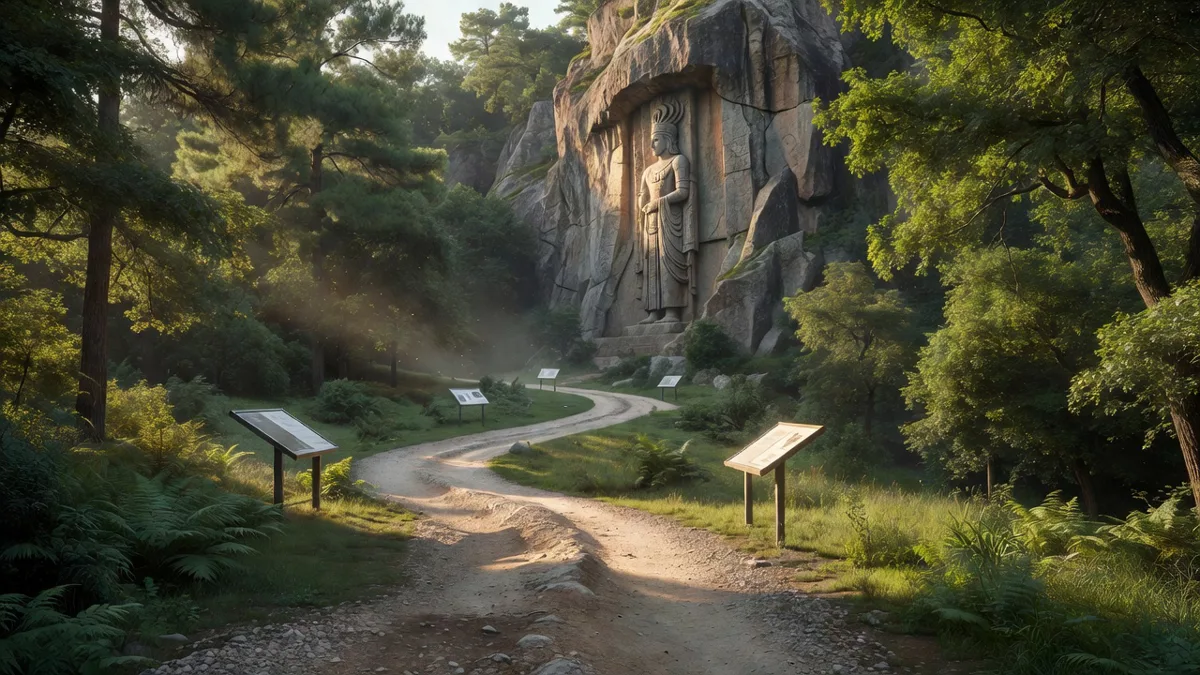
- There are no professional guides around the monument; information panels and signage prepared by Ereğli Municipality are available.
Frequently Asked Questions
Is entry to the Ivriz Rock Monument free?
Yes, entry to the Ivriz Rock Monument is free of charge. No ticket or fee is required. However, it is important to stay on the designated walkways to help protect the monument.
Which god is depicted at the Ivriz Rock Monument?
The monument depicts Tarhunzas, the Hittite god of storms and fertility. The god holding wheat and grapes is one of the strongest visual proofs that agriculture was considered sacred in Anatolia.
Where else can I visit in Ereğli after seeing the Ivriz Rock Monument?
After visiting the monument, you can explore the Ereğli Museum, Zengen Castle and Aya Stefanos Church. This route offers a historical cross-section from the Hittite period through to the Ottomans.
Living in Ereğli and the Real Estate Perspective
Having such an important cultural asset as the Ivriz Rock Monument enhances Ereğli’s tourism potential. Ereğli is an attractive option for those seeking a peaceful life with an appreciation for cultural heritage. In addition to Konya’s role as an industrial and agricultural centre, Ereğli’s historical and natural riches are key factors influencing long-term living and investment decisions in the region. Those considering living in the villages around the monument or in central Ereğli should evaluate the local infrastructure, transport links and cultural fabric in person.