

The Historical Identity of Laodikeia Katakekaumene
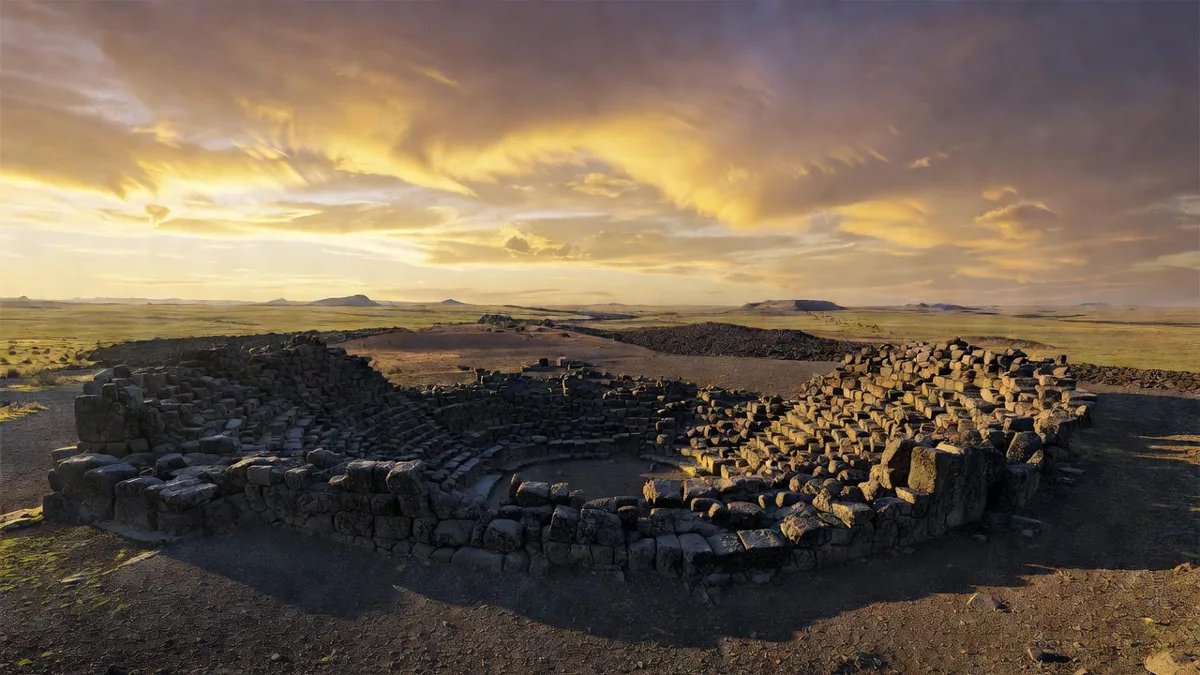
Lâdik, part of Sarayönü district, is an important Phrygian-Roman settlement known in ancient times as Laodikeia Katakekaumene. Also referred to as “Burnt Laodikeia,” the city was built on volcanic terrain. The black basalt stones and traces of volcanic eruptions in the region form the origin of the city’s name.
From the Hellenistic period onwards, the area remained a significant settlement through Roman and Byzantine times. The theatre, agora, city walls and necropolis that still stand today bear witness to the settlement’s thousands of years of history.
The Region’s Geography and Natural Features
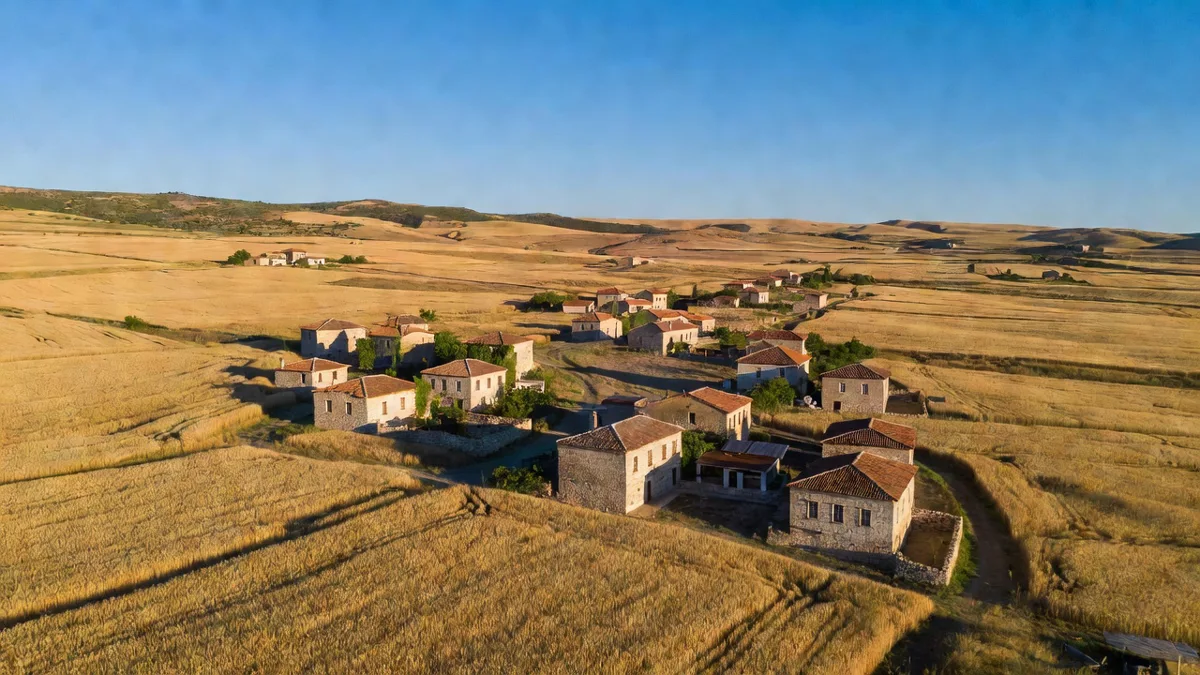
Lâdik lies on a volcanic plateau between Sarayönü and Cihanbeyli in the northeast of Konya. The area is surrounded by vast farmland, steppe vegetation and volcanic rock formations. This location at the foothills of Karacadağ supports both agricultural productivity and a peaceful rural lifestyle.
The continental climate, with cool summers and harsh winters, is one of the region’s defining characteristics. Clean air, low population density and expansive horizons are the main attractions for those who choose to live here.
Daily Life and Local Economy in Lâdik
Local residents mainly earn their living from agriculture and livestock farming. Wheat, barley, sugar beet and fodder crops are the region’s main products. In recent years, organic farming and local seed initiatives have also gained momentum.
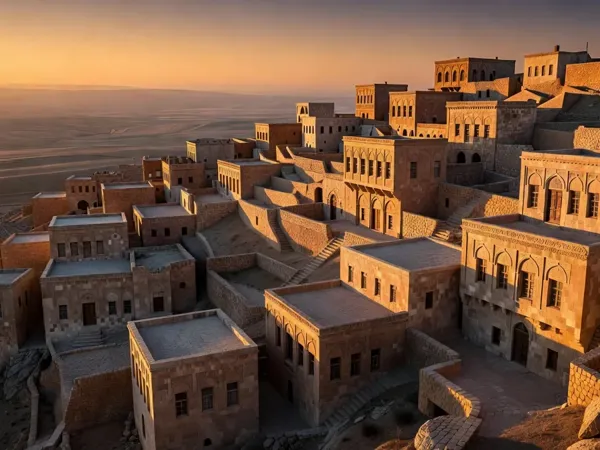
Traditional stone and adobe houses reflecting local architecture can still be seen in the villages. Community ties are strong. Close neighbourly relations, a culture of mutual support and a relaxed pace offer an appealing lifestyle for those wanting to escape the big city.
Ancient Ruins and Places to Visit
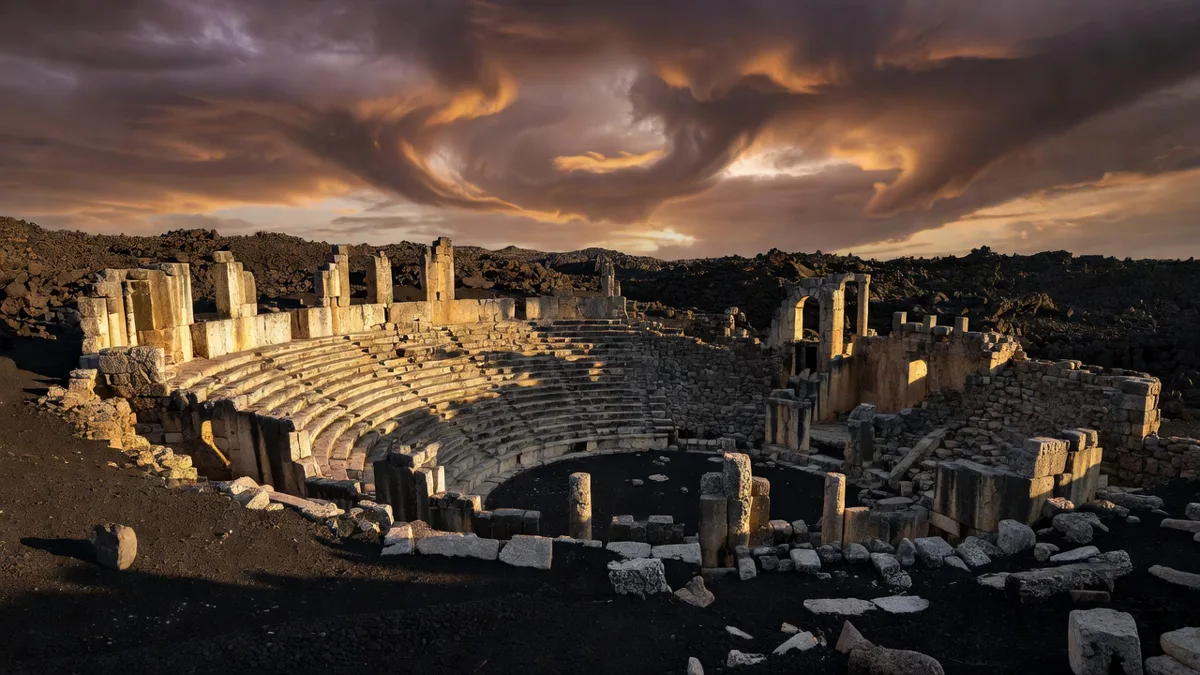
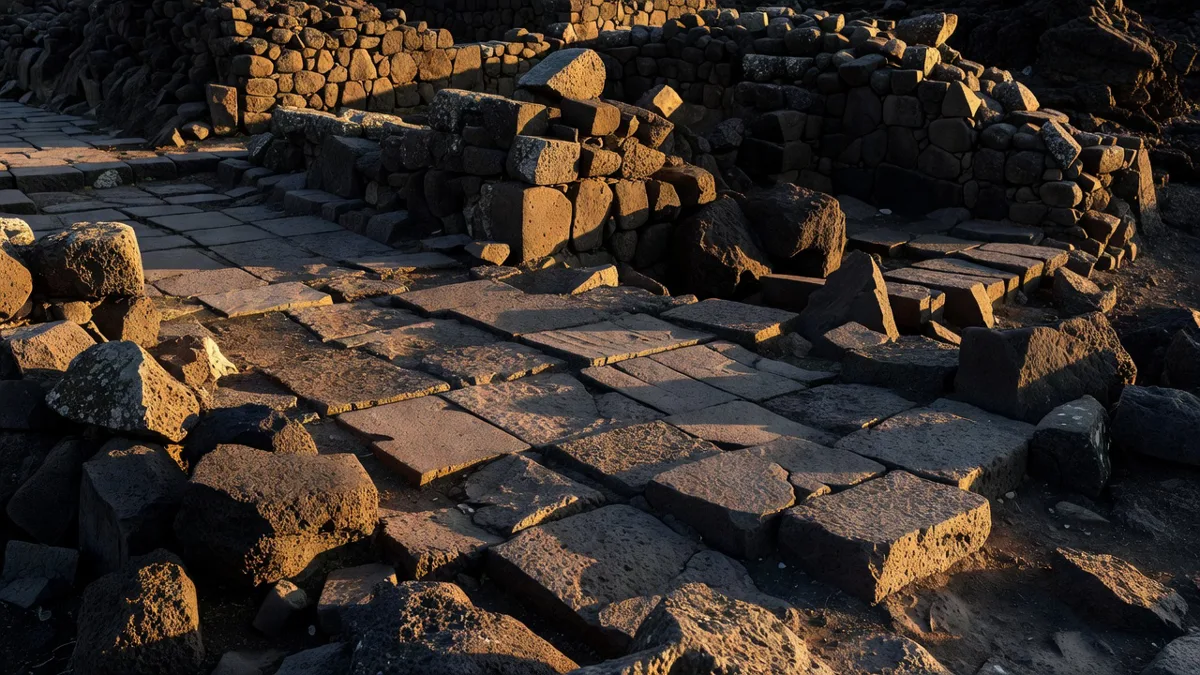
The most striking remnant of Laodikeia Katakekaumene is the Roman-era theatre. The agora, basilica and necropolis areas can also be visited. Volcanic rock formations and ancient road traces in the region create an important discovery area for history enthusiasts.
Although the ruins have not yet been fully excavated, even their current state offers visitors a powerful ancient city experience. The silhouette of the theatre ruins against the volcanic landscape at sunset is particularly impressive.
Key Considerations for Those Wanting to Live in Sarayönü Lâdik
Anyone considering life in Lâdik should keep the following in mind:
- Distance to the city centre (Konya centre is around 80 km away)
- Need for a private vehicle (public transport is limited)
- Adequacy of basic infrastructure services
- Potential for agriculture or livestock farming
- Expectation of a peaceful, nature-oriented lifestyle
Living here is ideal for those seeking a life away from the fast pace of the city, close to nature and history. Services such as education, healthcare and shopping require trips to the Sarayönü district centre or Konya.
Frequently Asked Questions
Has the ancient city of Lâdik been fully excavated?
No. Scientific excavations at Laodikeia Katakekaumene are limited. The theatre, agora and city walls that have been uncovered represent only a small part of the city. The area still retains its archaeological potential.
How do I get to Sarayönü Lâdik?
There are regular minibus services from Konya centre to Sarayönü district. From Sarayönü, you can reach Lâdik village by shuttle or private vehicle. Alternative routes are also available for those travelling via the Konya-Beyşehir road.
Is it worth buying property in Lâdik for investment?
The area offers opportunities in farmland and restorable old stone houses. Liquidity is low, however. It is more suitable for investors seeking a long-term, peaceful lifestyle and agricultural production. It is essential to check title deeds and zoning status with the General Directorate of Land Registry and Cadastre before purchase.
Those wishing to live in or invest in Sarayönü Lâdik, which carries the traces of ancient Laodikeia Katakekaumene, can contact the regional specialists at İnterkon Realty Group to explore current opportunities.