





Construction Period and Architectural Style of the Baghdad Pavilion
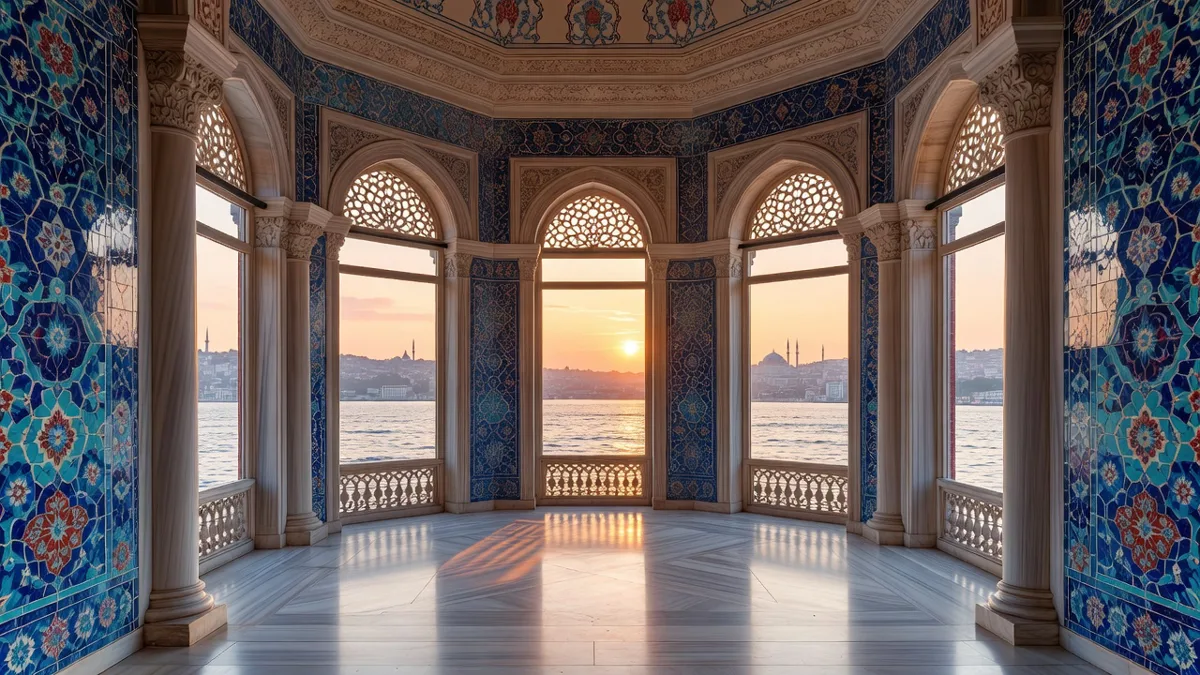
The Baghdad Pavilion was commissioned in 1639 by Sultan Murad IV. The structure is regarded as one of the finest examples of classical Ottoman pavilion architecture. It incorporates the most advanced 17th-century techniques, particularly in its façade design and interior decoration.
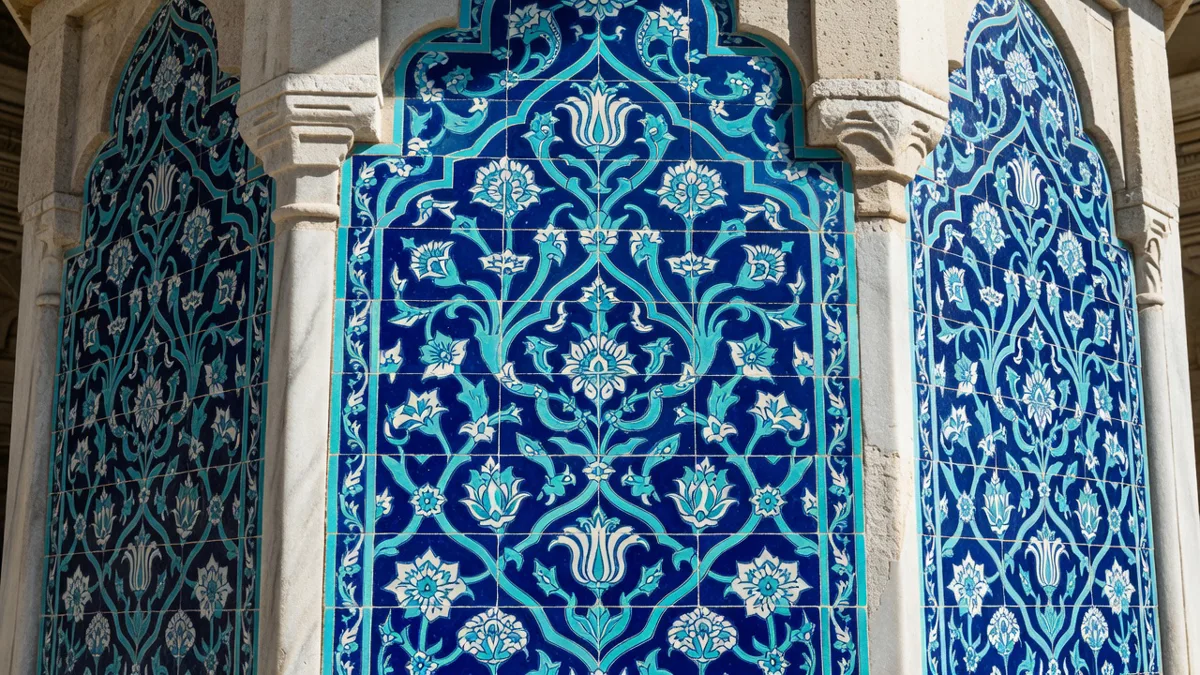
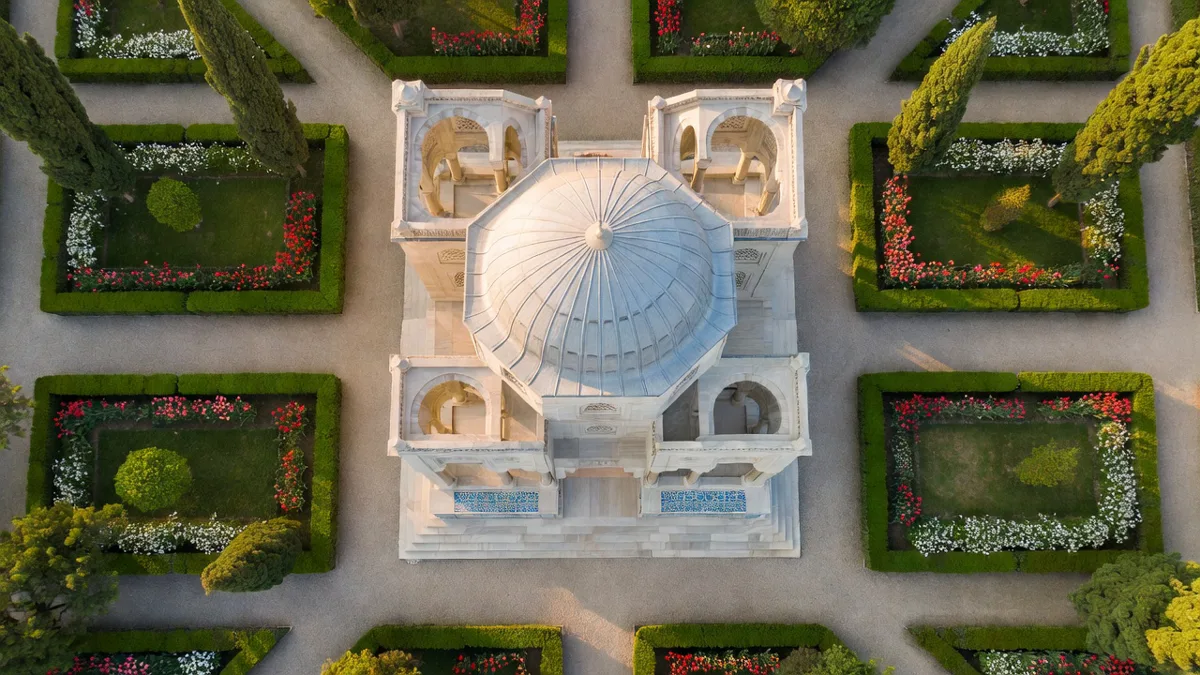
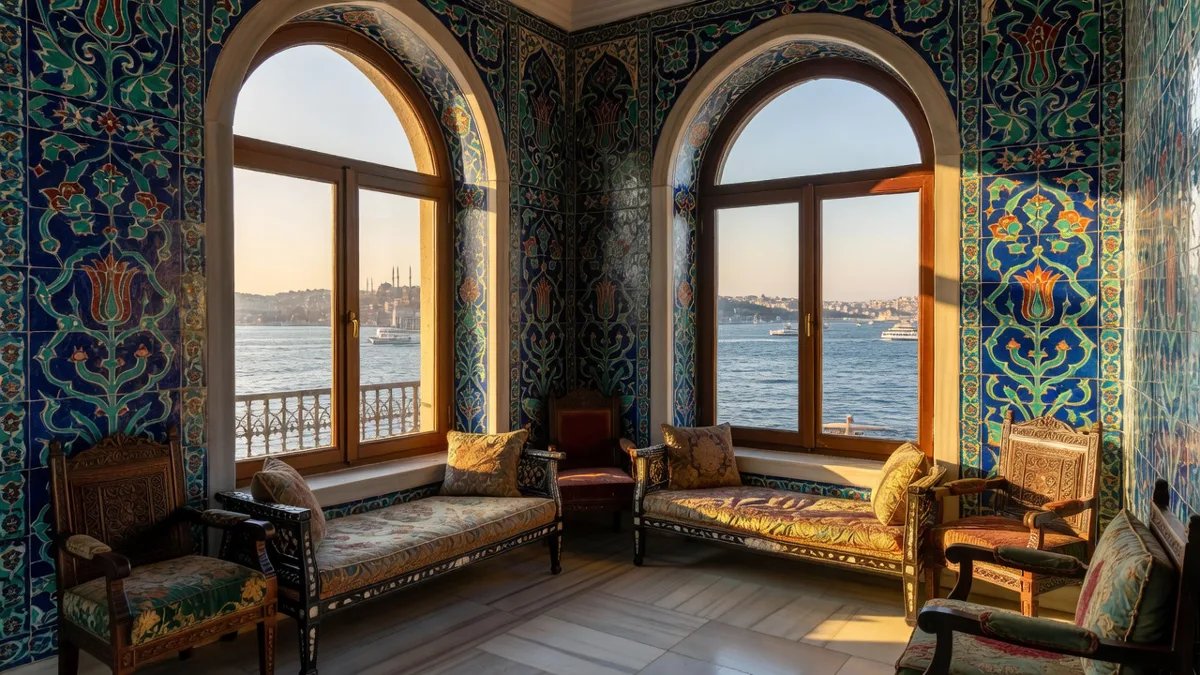
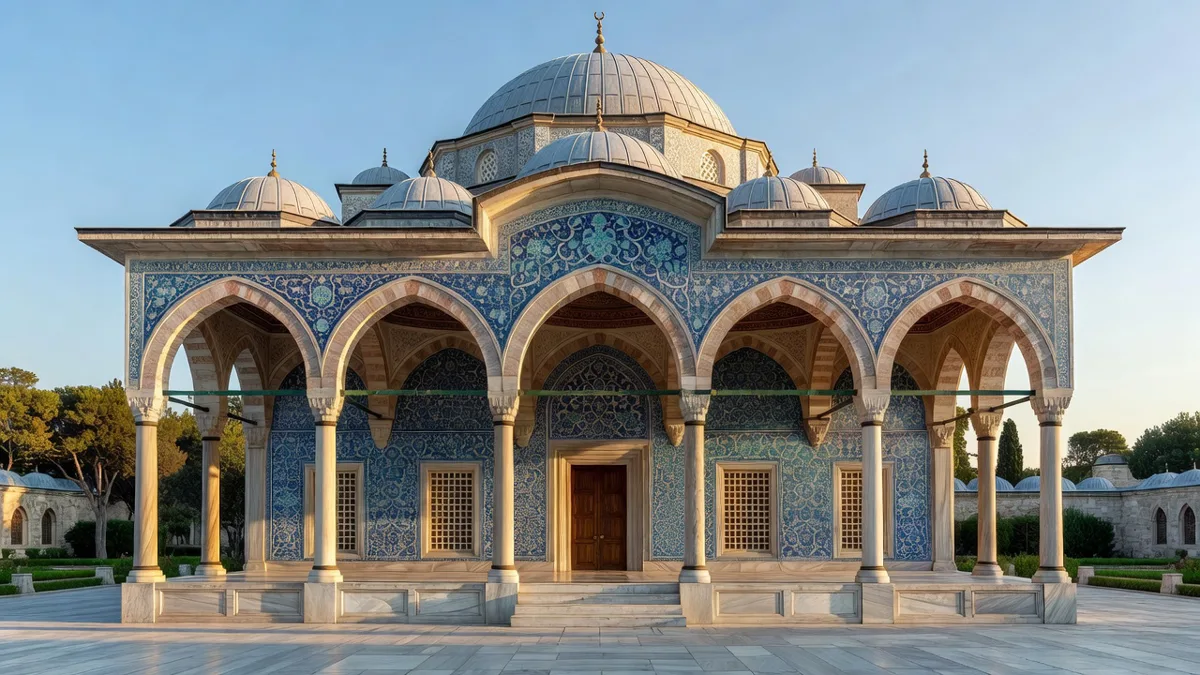
The square plan is crowned with a central dome. The İznik tiles used on the exterior façades stand out with their striking blue, white, and turquoise tones. With its commanding position overlooking the Golden Horn and the Istanbul skyline, the pavilion’s sea-facing façade has always been one of the palace’s most prestigious spaces.
Façade Design and Material Use
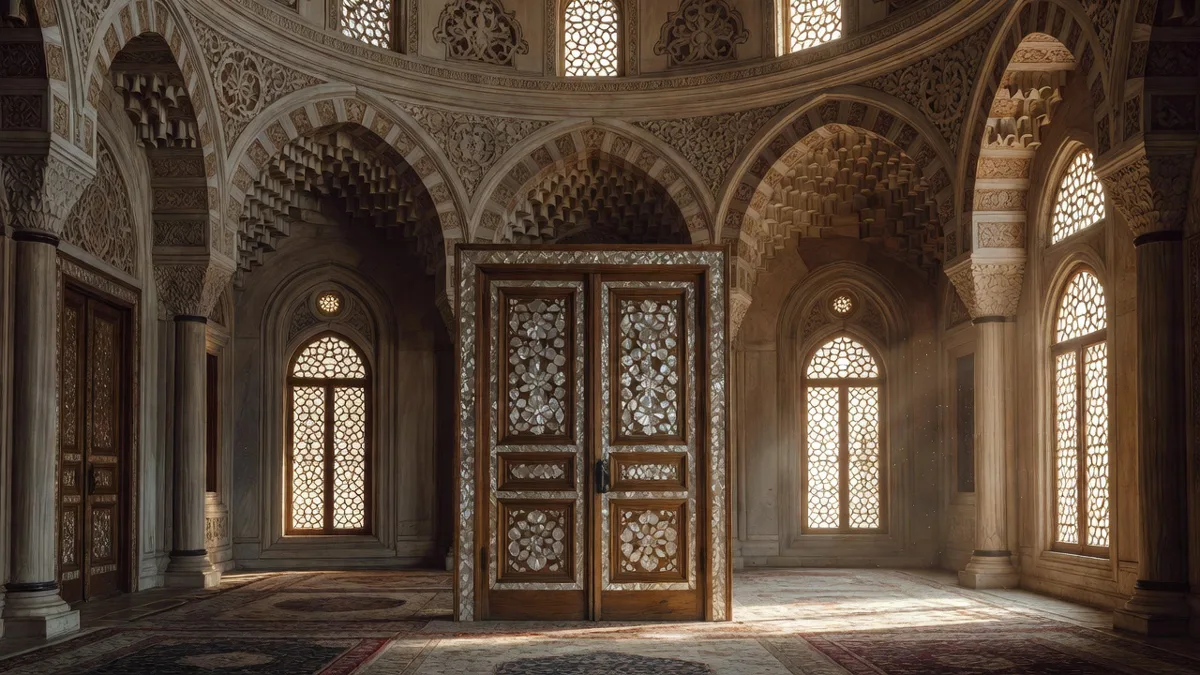
The façades of the Baghdad Pavilion are clad with the finest İznik tiles of the period. Windows, porticos, and niches are arranged in perfect symmetry. The doors and window shutters, adorned with mother-of-pearl, tortoiseshell, and ivory inlay work, are among the pavilion’s most impressive features.
The exquisite woodwork inside and the muqarnas transitions in the dome enhance the building’s artistic value. The examples of calligraphy on the walls were executed by the leading calligraphers of the era.
Plan Features and Spatial Layout of the Baghdad Pavilion
The pavilion follows a four-iwan plan arranged around a central hall – a layout frequently used in Ottoman pavilion architecture. Each iwan opens to a different view, creating a fluid transition between spaces.
The central dome makes the interior feel spacious while the surrounding windows flood the space with natural light. The lower level connects directly with the garden, while the upper level is positioned to make the most of the breathtaking Bosphorus and Golden Horn views.
Current Use of the Topkapı Palace Baghdad Pavilion
Today, the Baghdad Pavilion is open to visitors as part of the Topkapı Palace Museum. The building has largely preserved its original architectural features and is carefully maintained as one of the palace’s most significant pavilions.
Visitors have the opportunity to closely examine the tile collection, mother-of-pearl inlaid doors, and period furniture inside. The pavilion also serves as a showcase for the finest examples of Ottoman palace culture and 17th-century art.
What Sets the Baghdad Pavilion Apart from Other Ottoman Pavilions
Along with the Revan Pavilion, the Baghdad Pavilion is one of the two most important pavilions in Topkapı Palace. Both structures were built during the reign of Murad IV and share similarities in plan and decoration.
What truly distinguishes the Baghdad Pavilion is the richness of its tilework and its powerful relationship with the surrounding landscape. Symbolizing a major military victory (the conquest of Baghdad) while showcasing exceptional architectural quality, it has become one of the palace’s most prestigious buildings.
Frequently Asked Questions
When was the Baghdad Pavilion built?
The Baghdad Pavilion was commissioned in 1639 by Sultan Murad IV. The construction date is also documented by inscriptions inside the pavilion.
Why is it called the Baghdad Pavilion?
The pavilion was named to commemorate Sultan Murad IV’s victorious return from the Baghdad Campaign in 1638. It was built both to symbolize this triumph and to add a new pavilion to the palace.
Can the Baghdad Pavilion be visited today?
Yes, as part of the Topkapı Palace Museum, it is open to the public during designated visiting hours. The intricate tilework and mother-of-pearl details inside can be seen up close.
If you are planning to visit the Topkapı Palace Baghdad Pavilion, please check the official visiting hours and ticket information on the Ministry of Culture and Tourism website.