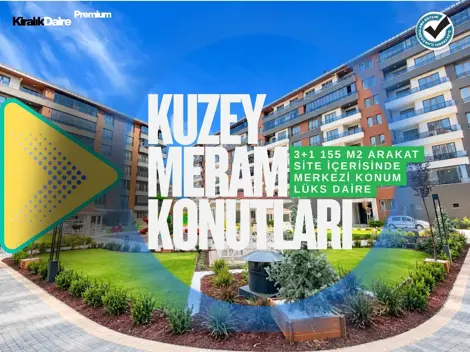

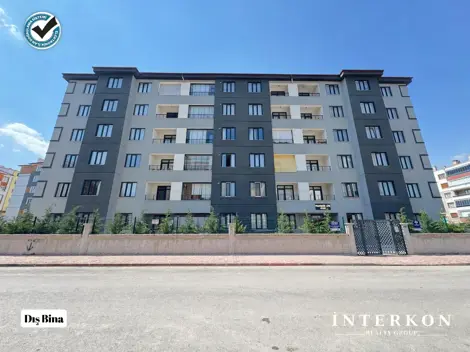



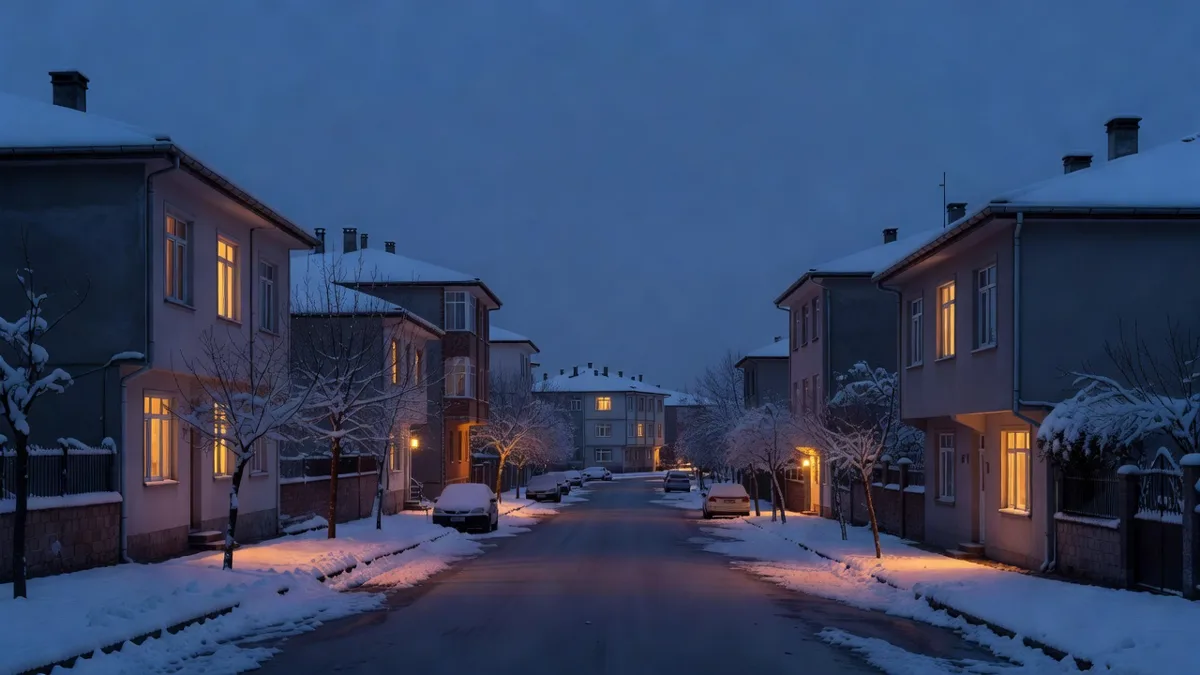
The Difference Between a Good Flat and the Right Street
Last spring I stood with a British client on a quiet side street in Horozluhan. The apartment was spotless, newly renovated, and priced reasonably. Yet within fifteen minutes he noticed something strange: almost no one was walking outside. The street felt empty even though it was 4pm on a weekday.
That single observation changed everything. We left the property and drove instead to a parallel street two blocks away where children were playing outside and small grocery shops stayed open late. The apartments there were slightly older but the entire feeling of daily life was different.
Foreign buyers often spend hours examining kitchen counters and bathroom tiles while missing the single most important factor: how the street lives in January at minus eight degrees and how it lives in July when the temperature hits forty.
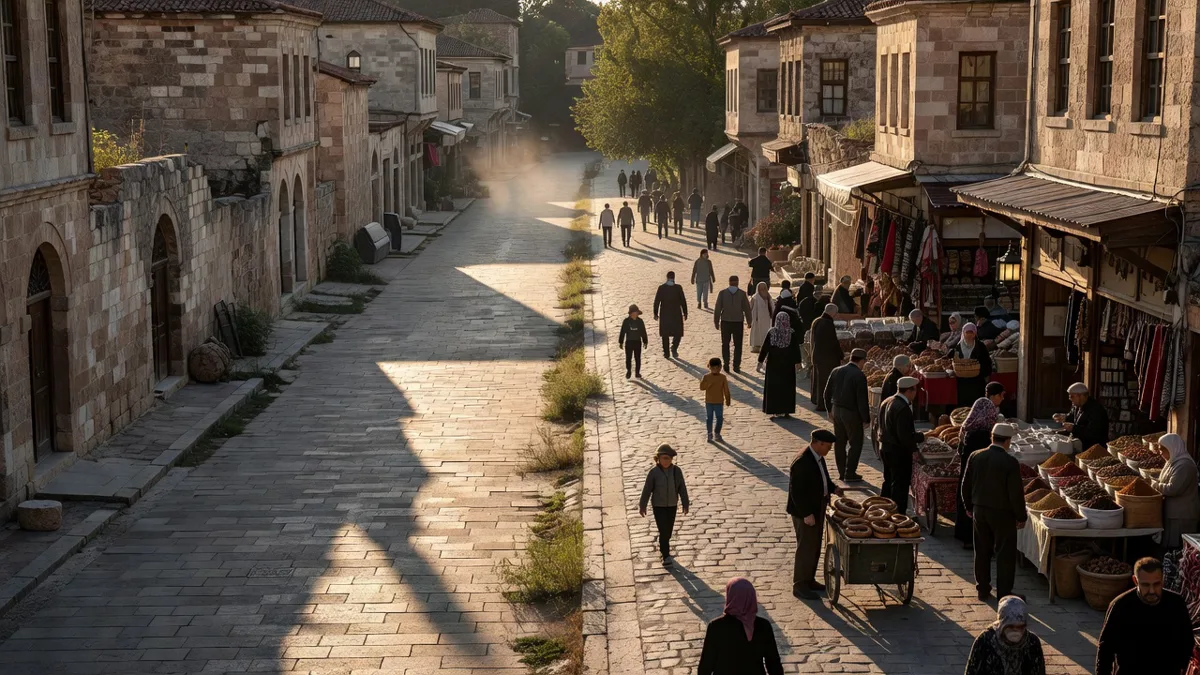
Why Winter Sunlight Matters More Than You Think
In Konya’s grid layout, the direction a building faces changes everything. A south-facing living room in Bosna Hersek neighborhood receives direct sunlight even in December. The same size apartment facing north in the same building stays cold and damp throughout winter.
Local families know this instinctively. You will see them checking the position of the sun before they even enter the building. Foreign investors rarely ask about it until the first January arrives and heating bills shock them.
The difference in winter comfort between two otherwise identical apartments on the same street can easily equal 30% in practical living costs and resale appeal.
Walking Distance Reality Check
Real estate advertisements love to say “close to everything.” In practice this usually means twenty-five minutes on foot to the nearest proper supermarket. For families with small children or older residents, this matters enormously.
In Selçuklu, the most successful rental properties I see are those located within eight minutes’ walk of both a large Migros or Bim and a proper bakery. Ten extra minutes changes tenant turnover dramatically.
Check the nearest fresh produce market, not just the big shopping mall. In Konya the weekly neighborhood pazar still shapes how people actually live and spend their money.
The Mosque Factor Most Foreigners Misunderstand
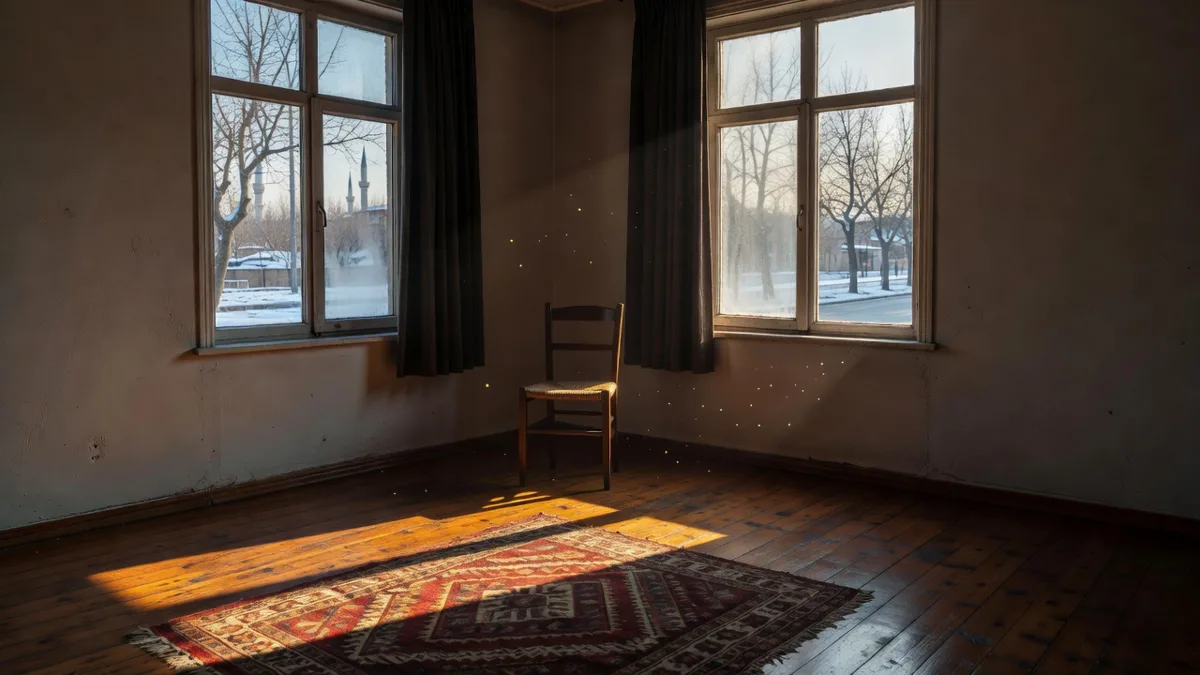
Many European buyers instinctively avoid properties too close to a mosque. In Konya this can be a serious mistake. The call to prayer is simply part of the rhythm of life here, but the real issue is different.
What actually matters is whether the mosque has a large courtyard where men gather after Friday prayers. If the courtyard faces your building, parking and noise patterns change completely on Fridays between 1pm and 3pm. If the mosque is smaller and mainly used for daily prayers, the effect is almost unnoticeable.
Stand on the balcony at Friday lunchtime before you buy. The five minutes you spend there will tell you more than any floor plan.
Seasonal Street Life and Rental Demand
Konya has two completely different personalities. From March to November the city feels lively with students, factory workers and families. From mid-November until late February the streets empty earlier and rental demand shifts noticeably toward buildings with good heating systems and covered parking.
Apartments near Selçuk University and the big organized industrial zones (OSB) have completely different tenant profiles than those near the Mevlana area. Understanding which season your target tenant actually lives in the city prevents months of unexpected vacancy.
The buildings that stay rented all year round are rarely the newest or most luxurious. They are usually the ones whose location matches the actual rhythm of local working life.
What You Should Do Before Your Next Viewing
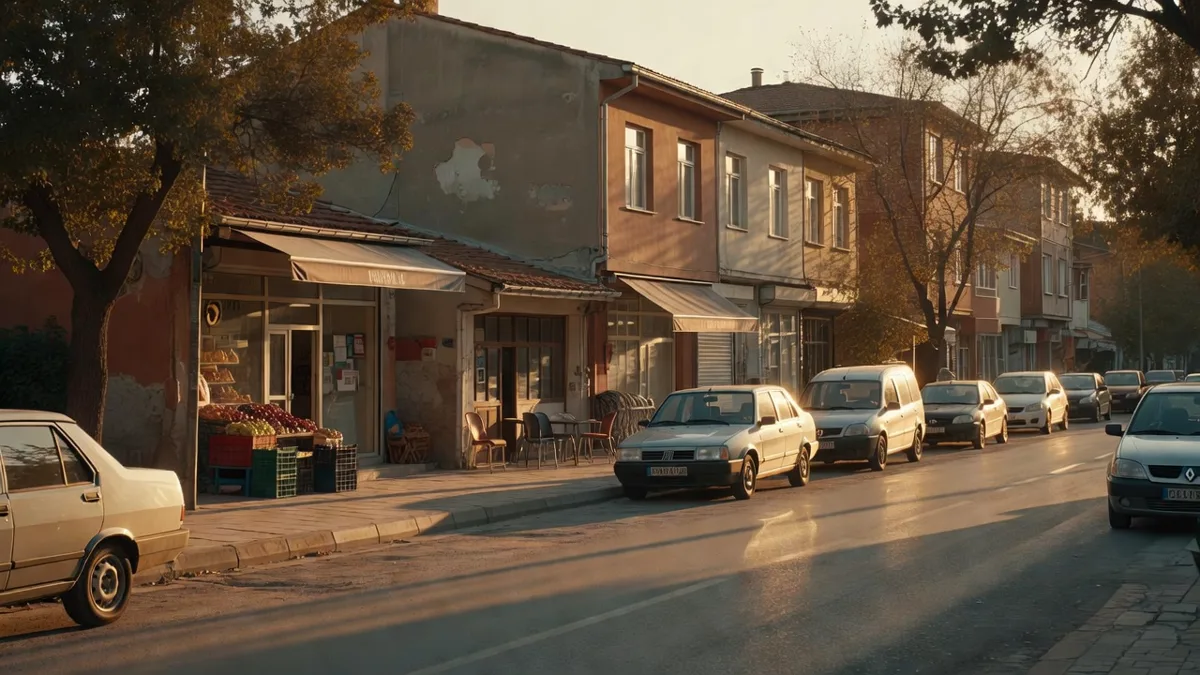
Visit the same street at three different times: once mid-morning on a weekday, once at Friday lunchtime, and once after dark on a winter evening. Take notes about who you see, where cars are parked, and how the light falls on the building.
Ask local shopkeepers simple questions. “How is this street in winter?” usually produces surprisingly honest answers. The best information rarely comes from the seller or the listing agent.
The properties that feel right after these three visits almost always prove to be the ones that work best for both living and renting over the long term.