





The Garden-Facing Facade of Hünkâr Köşkü
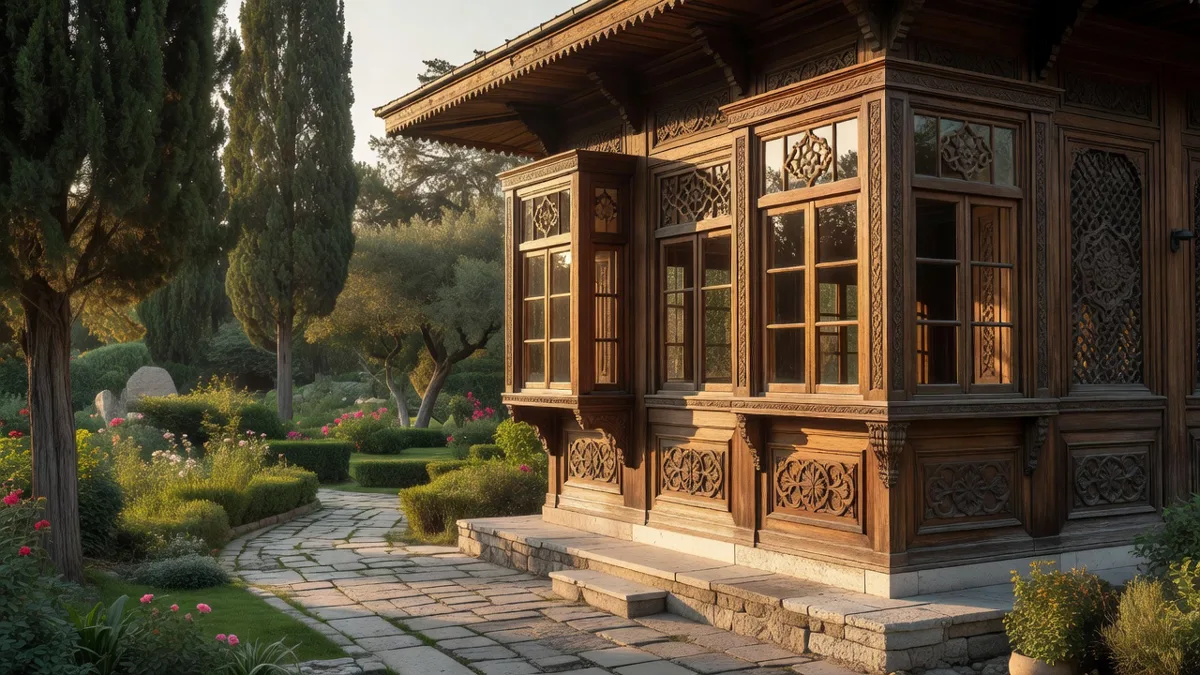
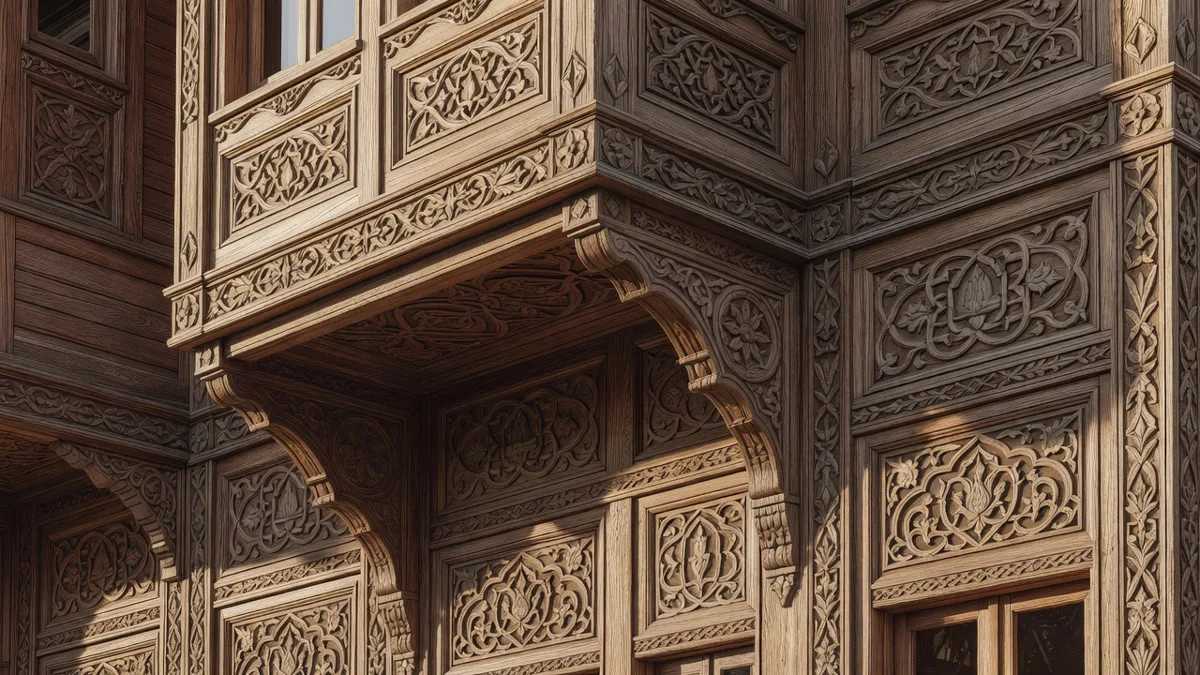
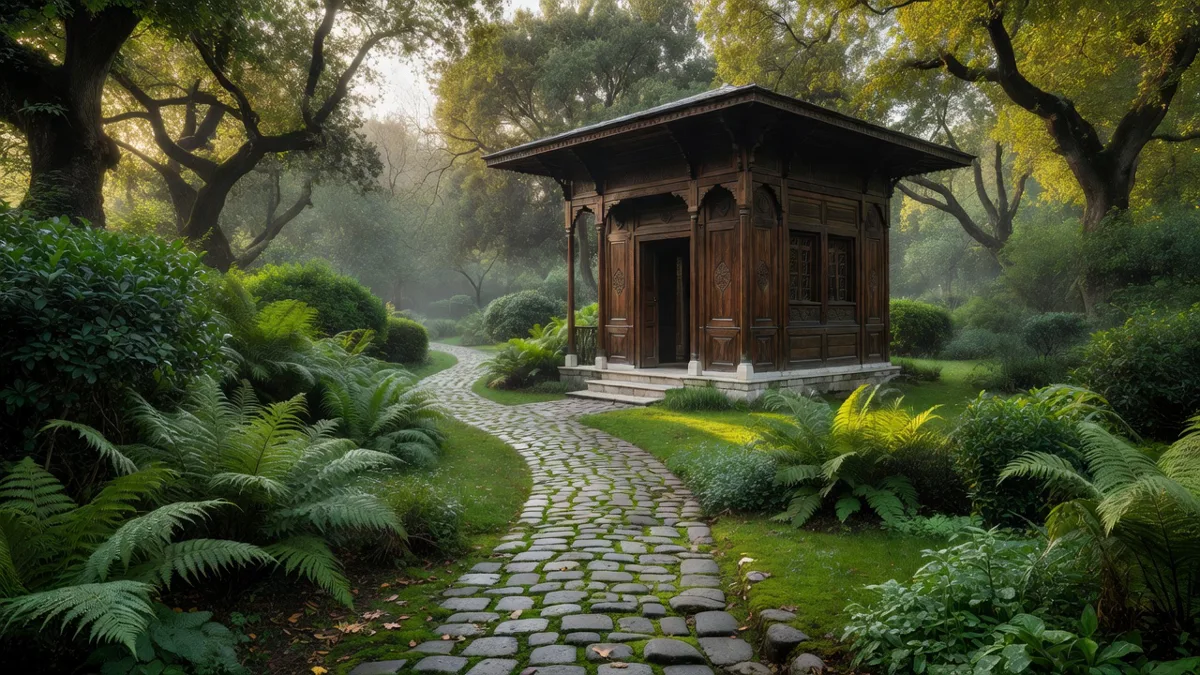
Set in Bursa’s Yıldırım district, right beside the former Ottoman palace gardens, the garden facade of Hünkâr Köşkü immediately captures your attention. Wide wooden eaves, triangular bay windows projecting from the upper floor, and delicately carved railings are the most striking features of the building.
This facade showcases the typical characteristics of late 19th-century Ottoman wooden architecture. The rectangular windows lined along the facade offer views of the garden from inside while creating a symmetrical appearance from the outside.
The woodwork is so finely detailed that sunlight casts different shadows from every angle. Especially when you approach from the garden side in the early morning, you can almost feel the mansion breathing.
The Secret Behind the Bay Windows and Light Play
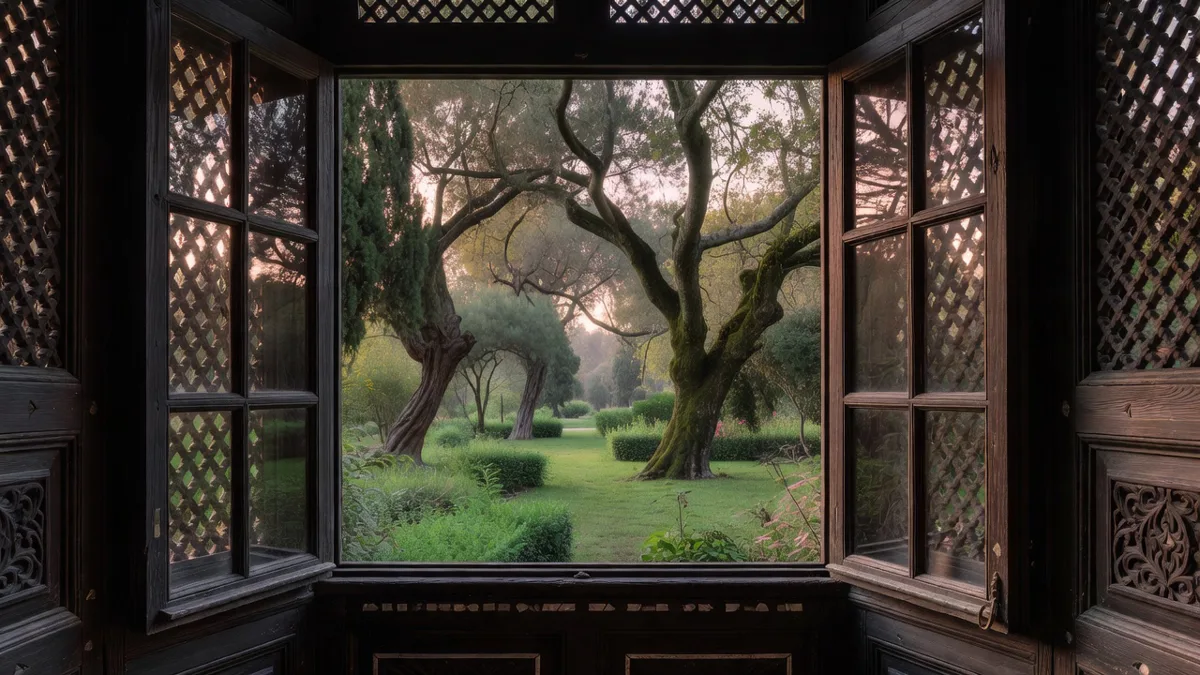
The most talked-about detail at Hünkâr Köşkü is the bay windows on the second floor. These projecting bays not only expand the interior space but also provide views of every corner of the garden from inside.
Wooden latticework and the use of coloured glass fill the interior with a soft, gentle light. Especially in autumn, when Bursa’s crimson leaves reflect onto the glass, the interior transforms into a riot of colour.
These bay windows are not just aesthetic. They also respond to the climate of the period, keeping the space cool in summer and protecting against harsh winds from the garden in winter.
Interior Layout and Floor Plan
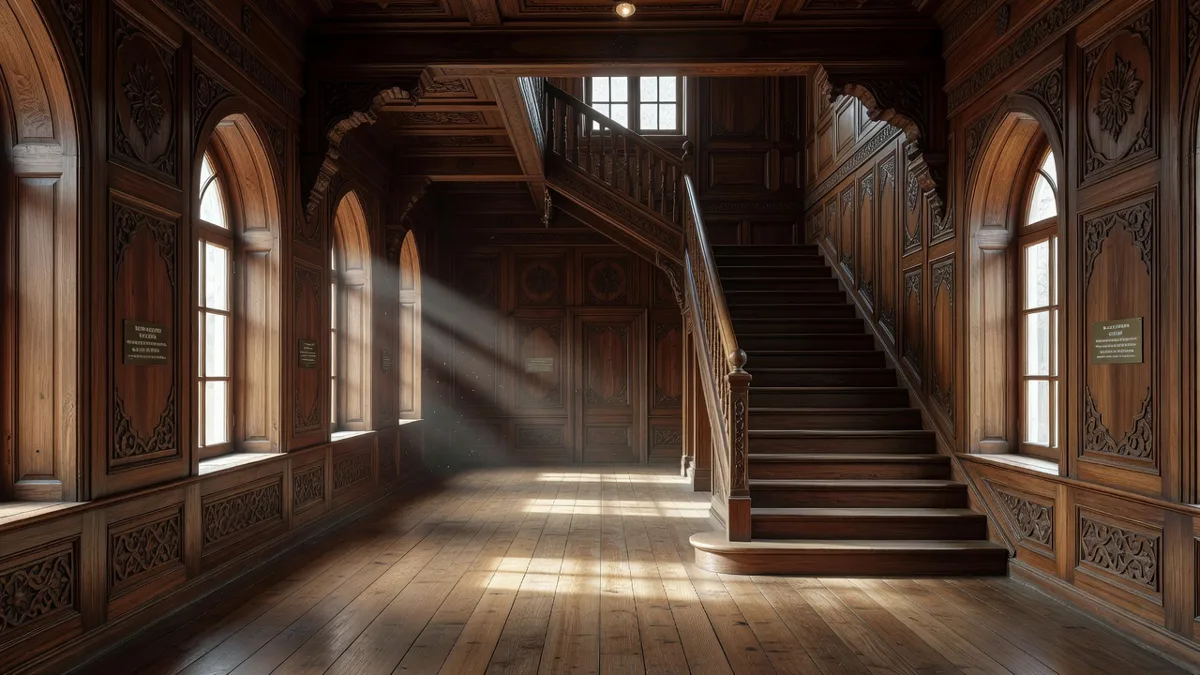
The mansion’s layout differs from classical Ottoman köşk architecture. While the ground floor was designed primarily for service and entertaining guests, the upper floor is reserved entirely for private living.
The corridor that begins at the staircase landing both separates the rooms and offers each one an independent garden view. The fireplace niches and wooden built-in cupboards found in many of the rooms reflect the comfort of living at that time.
The stone-paved entrance hall on the ground floor still retains its coolness. In the sweltering summer heat of Bursa, it remains the coolest spot in the building.
The Relationship with the Garden
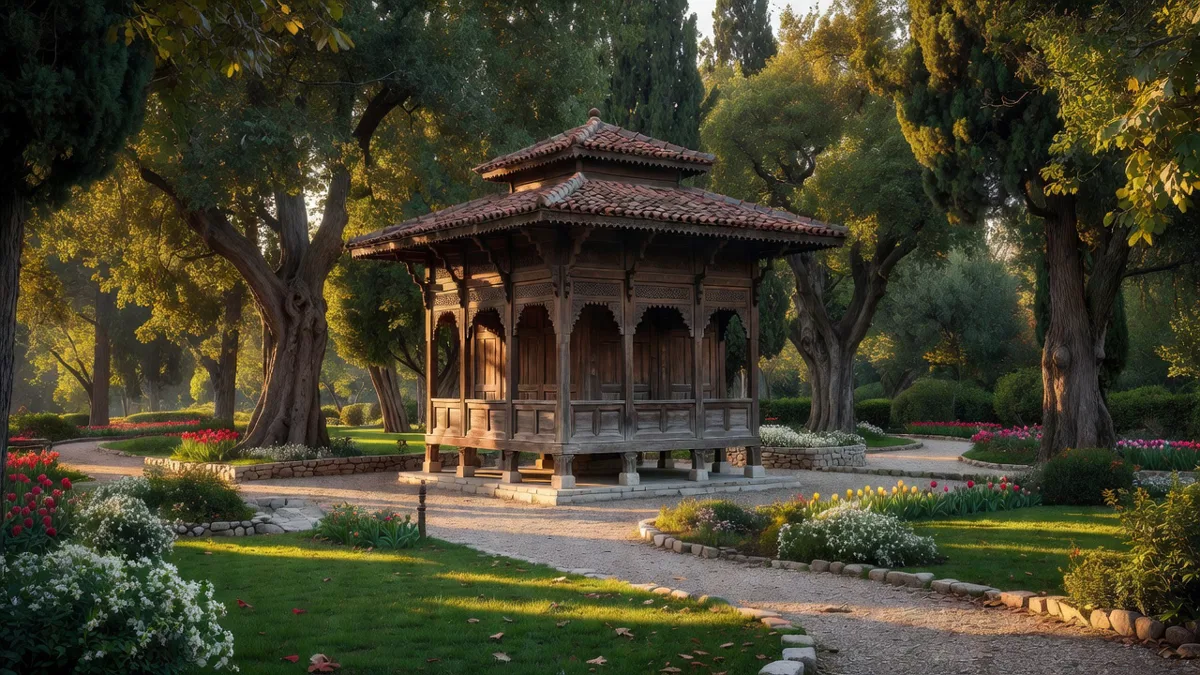
Hünkâr Köşkü was designed as a single harmonious whole together with its garden. The pool just in front of the mansion and the stone paths surrounding it further highlight the building’s grandeur.
The mature plane and cypress trees in the garden date back to the same period as the mansion. Walking in their shade, the contrast between the wooden facade and the greenery is truly striking.
Today the garden serves as both a relaxation area and a photography spot for visitors. However, the true spirit of the mansion reveals itself not in crowds, but when you stroll alone through the garden in the early morning hours.
How Is Hünkâr Köşkü Used Today?
The mansion currently operates as a museum. Visitors can tour the rooms on the upper floor in particular and examine the interior furnished with period furniture.
Textile pieces and wood carvings from the Ottoman era displayed in some rooms help preserve the building’s historical texture. Yet the most impressive part is still the profound silence felt in the empty rooms.
Despite Bursa’s increasingly heavy traffic, Hünkâr Köşkü remains a tranquil oasis within its own garden. The best times to visit are during the spring and autumn months.
Before Visiting the Mansion
If you’re planning to visit Hünkâr Köşkü, be sure to go early in the morning. The way the garden facade looks in the morning light fades as the day progresses.
If you want to take photographs inside, avoid using flash. This is very important for the wooden and painted surfaces.
And most importantly: Sit quietly for ten minutes on one of the benches in the garden. Only then will you fully understand why this building is still so enchanting.