





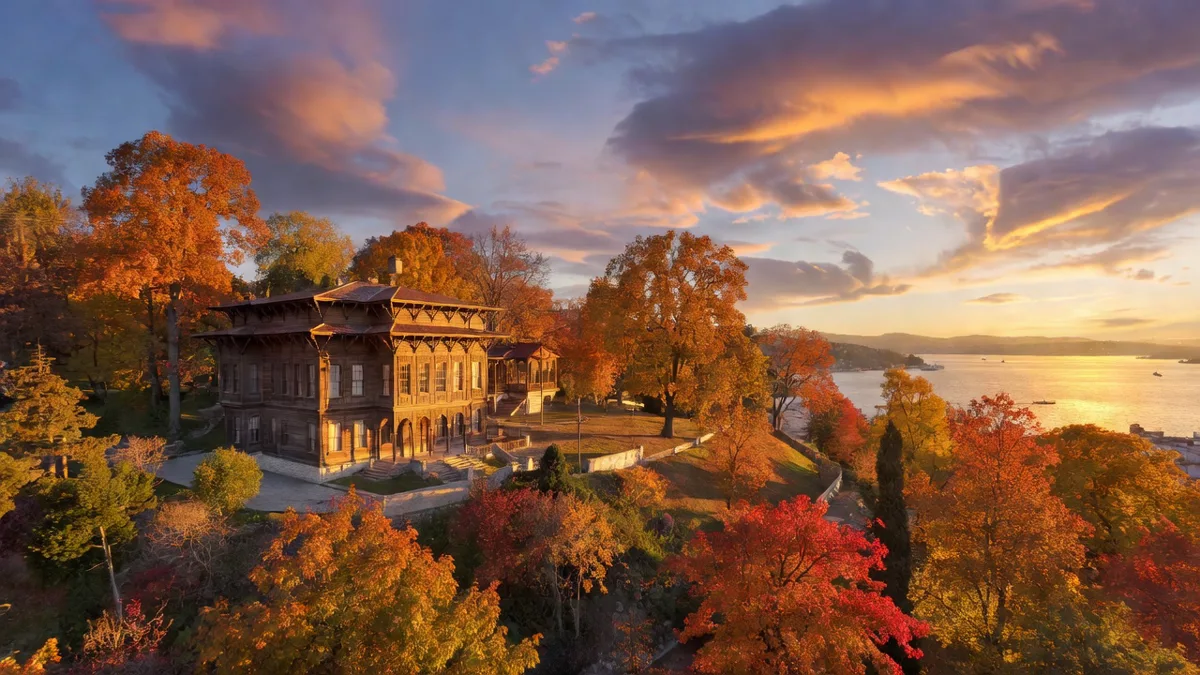
The Birth of a Pavilion on Yıldız Hill
When you first see Yıldız Şale Pavilion, it appears as if suspended between the forest and the Bosphorus. Located at a high point within the Yıldız Palace complex, its distinctive late 19th-century wooden and stone facade immediately catches the eye from a distance.
Unlike other Bosphorus pavilions, this structure was designed to serve as both a hunting lodge and a state guesthouse. Its secluded position within the forest offered both security and an extraordinary view.
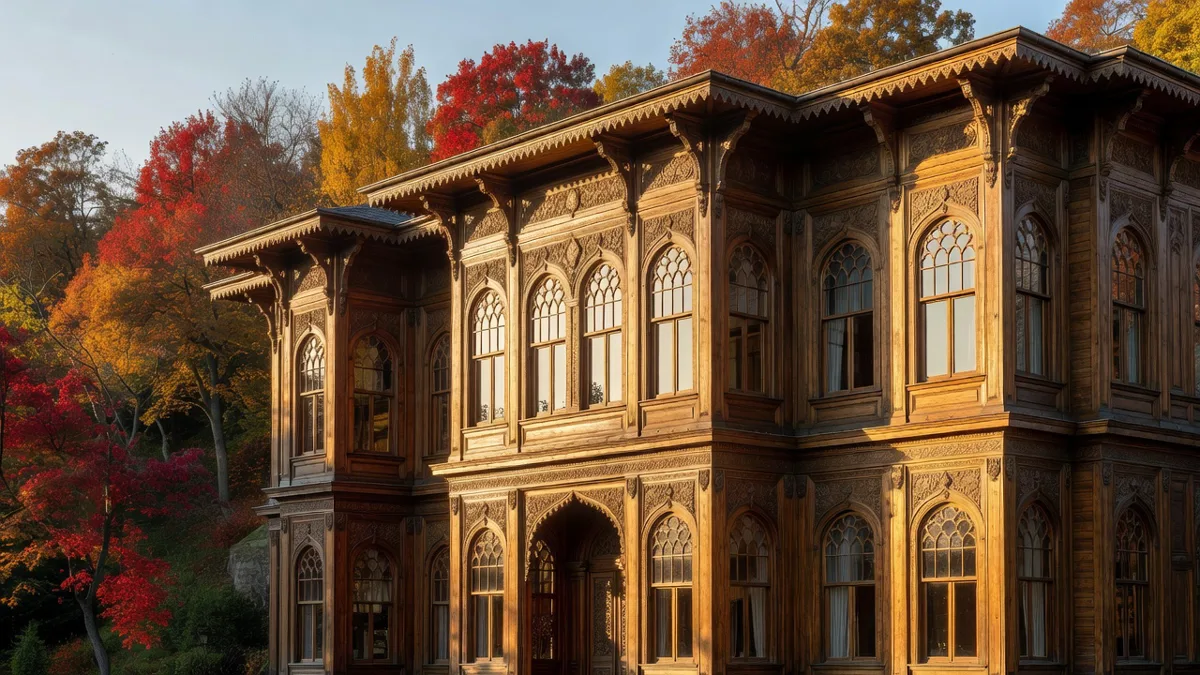
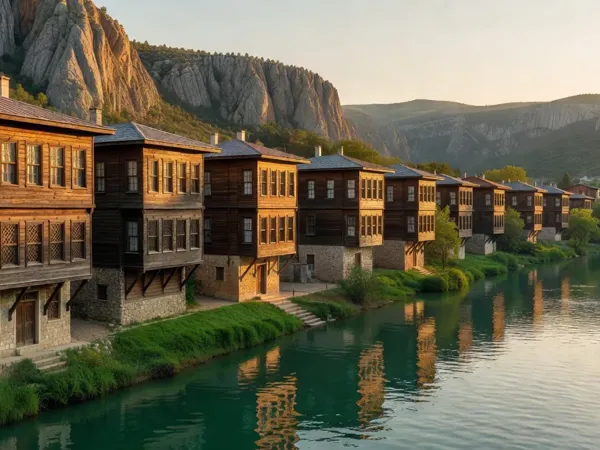
The intricate wooden craftsmanship on the facade and the symmetrical bay window arrangements represent one of the finest examples of late Ottoman style, which also incorporates European influences of the period. The window frames and eaves details have largely retained their original workmanship.
Architectural Influences from Europe
Yıldız Şale is one of the rare buildings that blends classical Ottoman pavilion architecture with the Western “chalet” concept. Its steep roof, reminiscent of Swiss mountain houses, also harmonizes perfectly with the Bosphorus’s humid climate.
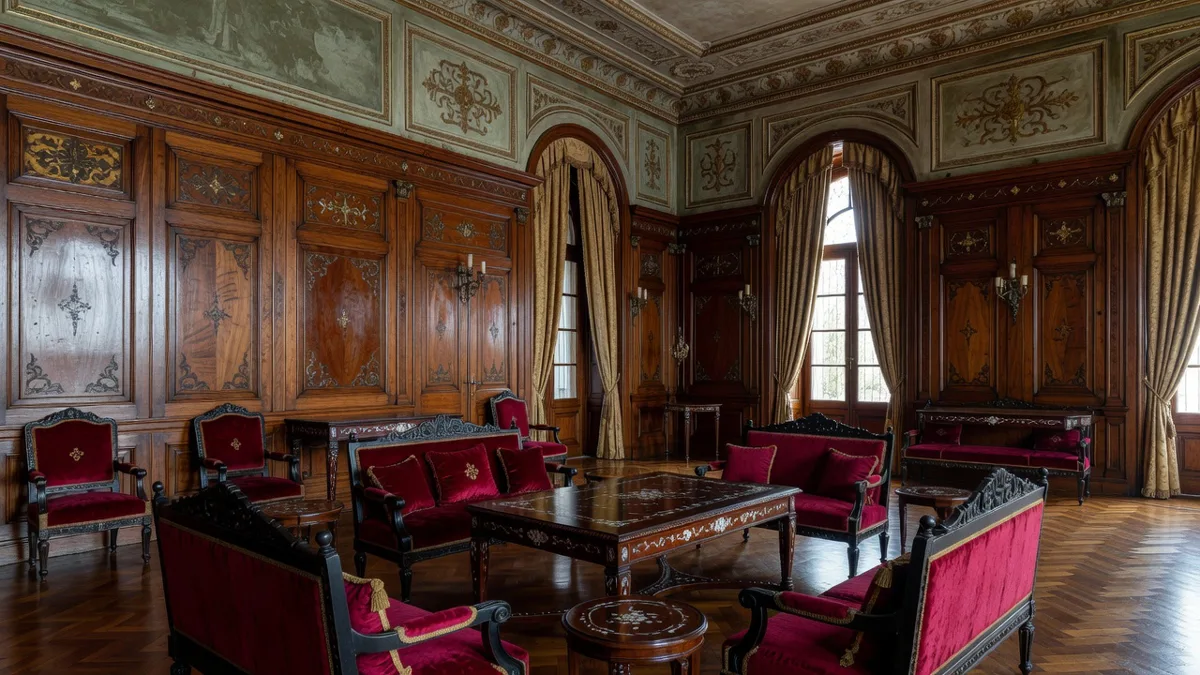
The carved wooden panels and ceiling decorations used in the interior were crafted by the period’s most skilled carpenters. The bay window area on the sea-facing side of the second-floor salon is particularly one of the building’s most striking architectural features.
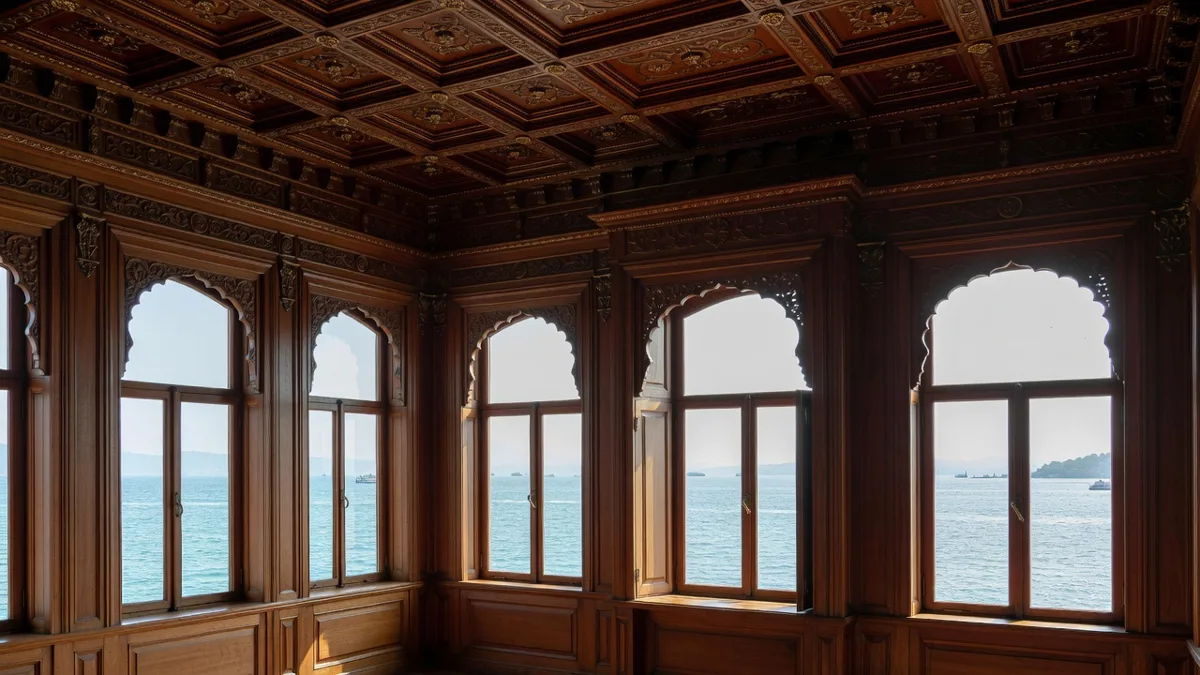
From here, the meeting point of the Marmara and the Bosphorus stretches out at your feet. The window arrangement, which seems custom-designed for this view, is one of the structure’s most talked-about features.
The Hidden Staircase and Palace Protocol
One of the pavilion’s most famous features is the hidden staircase that is almost invisible from the outside. This staircase, used by Sultan Abdülhamid II when hosting special guests, played a critical role in security and protocol.
Its narrow and concealed design met the pavilion’s needs for both defense and privacy. Even today, it has an atmosphere that sends shivers down your spine when you visit.
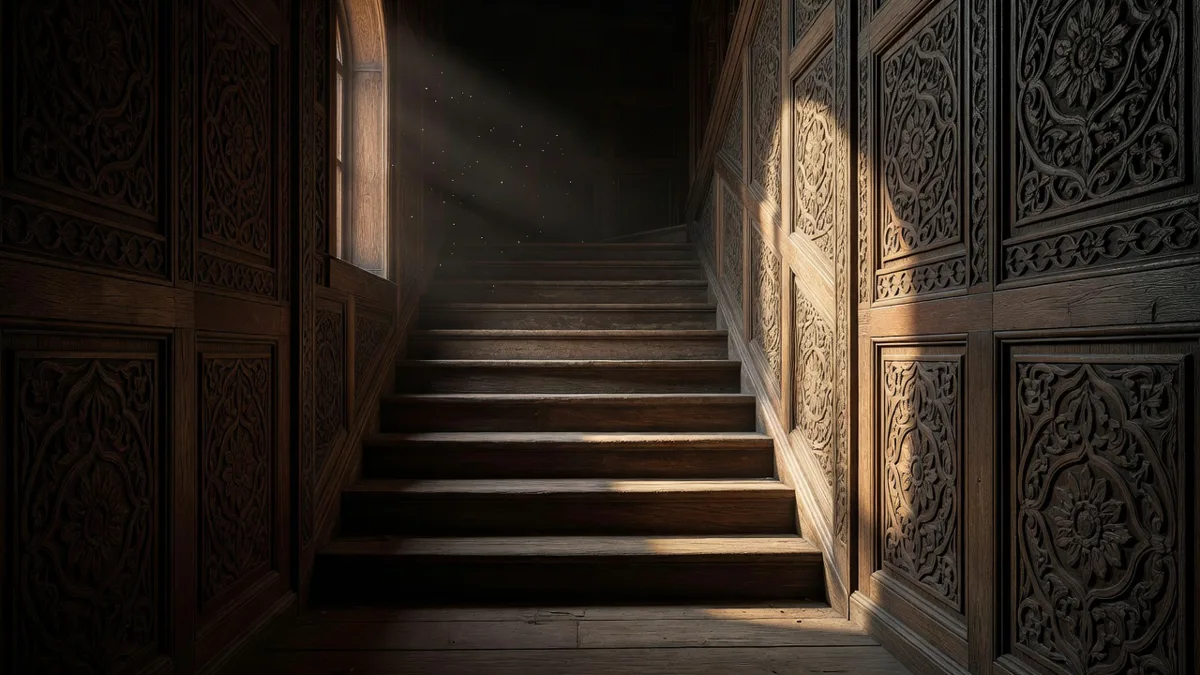
The wear marks on the wooden steps make you think of the historic figures who once walked here. The structure is not just an architectural masterpiece but also a silent witness to the power rituals of an entire era.
Garden Layout and Its Relationship with Nature
The garden surrounding Yıldız Şale Pavilion stands out with its neatly trimmed hedges and ancient trees. It serves as a transitional zone that both separates the pavilion from the forest and integrates it with it.
Positioned on gently sloping land toward the sea, the structure offers the advantage of both overlooking the Bosphorus from above and being protected from winter winds. The combination of local stones and wood firmly connects the building to its geography.
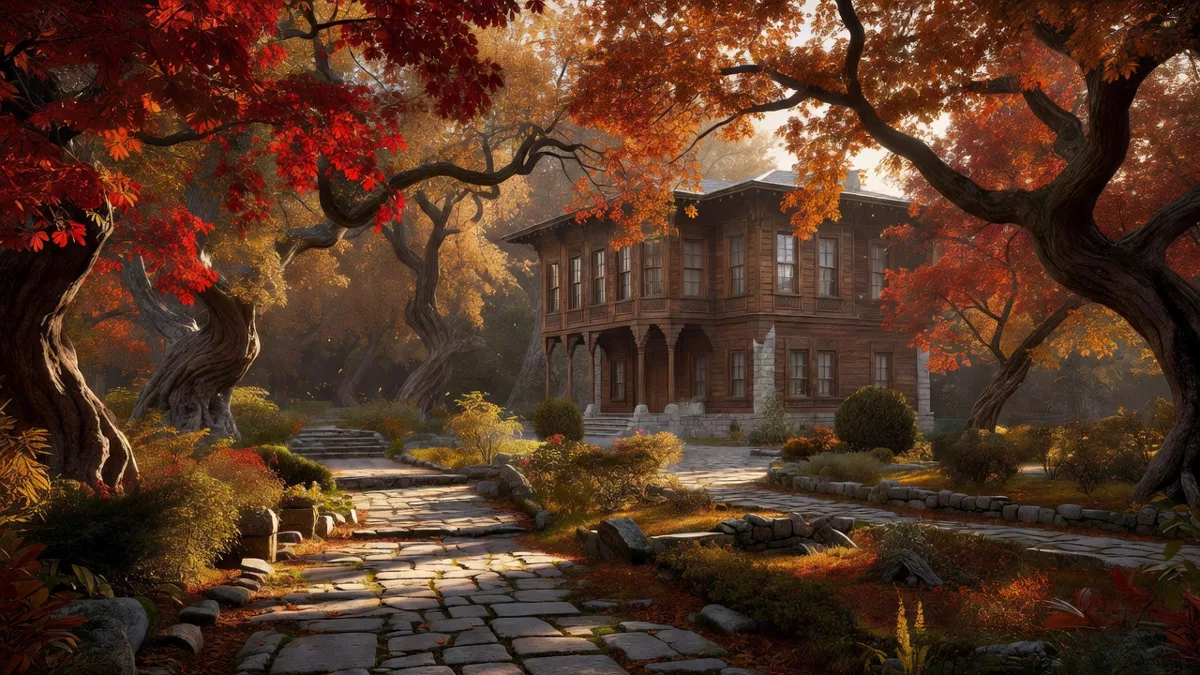
While walking in the garden today, you can still feel the atmosphere of late 19th-century Istanbul. Especially in autumn, the linden leaves on the ground and the pavilion’s dark brown wooden facade create a magnificent harmony.
Yıldız Şale Pavilion Today
It currently operates as a museum and is open to visitors on certain days. Much of the original furniture inside has been preserved. The reception salon and private apartments in particular provide tangible insights into the lifestyle of the era.
Restorations stayed as faithful as possible to original materials. This allows the pavilion to preserve its historical texture while being passed on to new generations.
One of the Bosphorus’s least talked about yet most deeply felt structures, Yıldız Şale Pavilion still possesses a unique magnetic appeal. When you visit, you’re not just seeing a pavilion — you’re experiencing the spirit of an entire era.