





The Moment You Step into the Muayede Hall
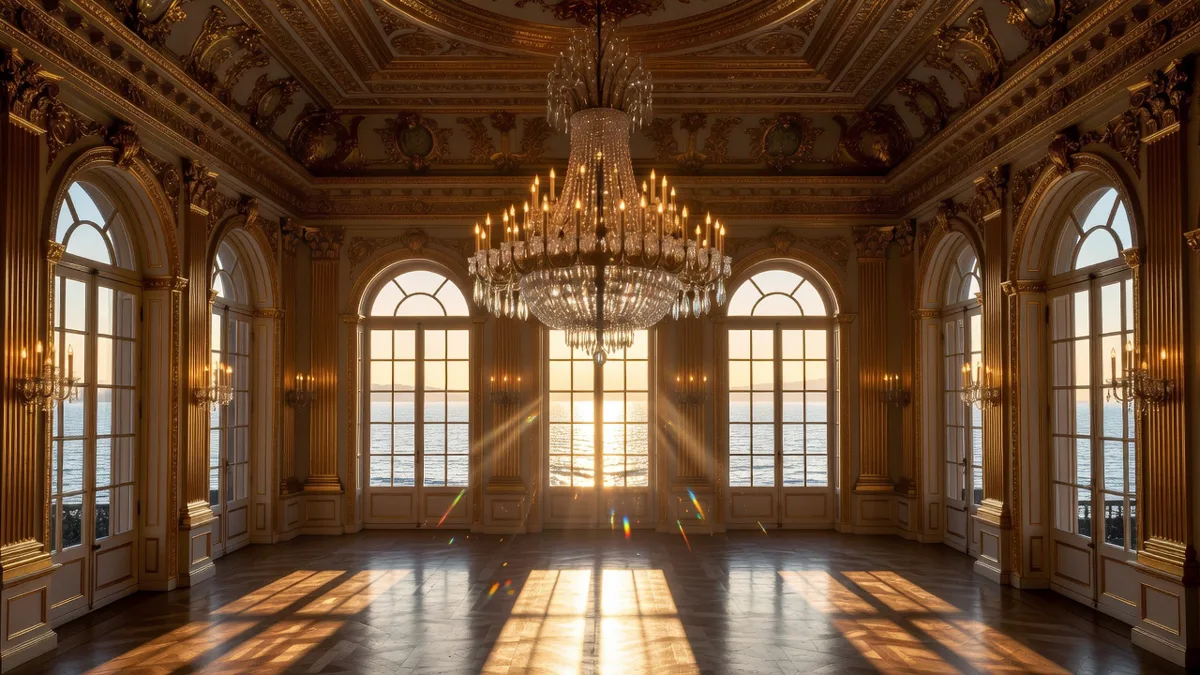
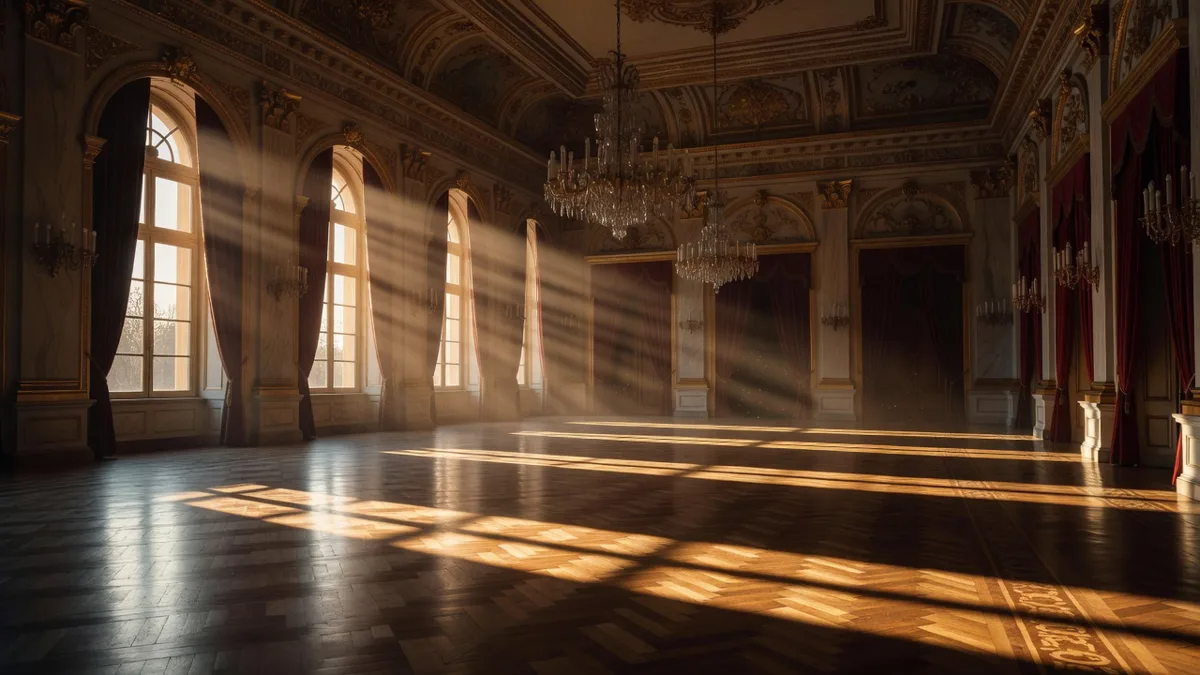
The first thing that catches your eye as you enter is the enormous 4.5-ton crystal chandelier hanging from the ceiling. When the sharp light of Beşiktaş strikes the hall’s 56 colossal marble columns, the space feels even more immense. Although the floor is not covered with thick carpets today, the parquet patterns still bear traces of the original craftsmanship.
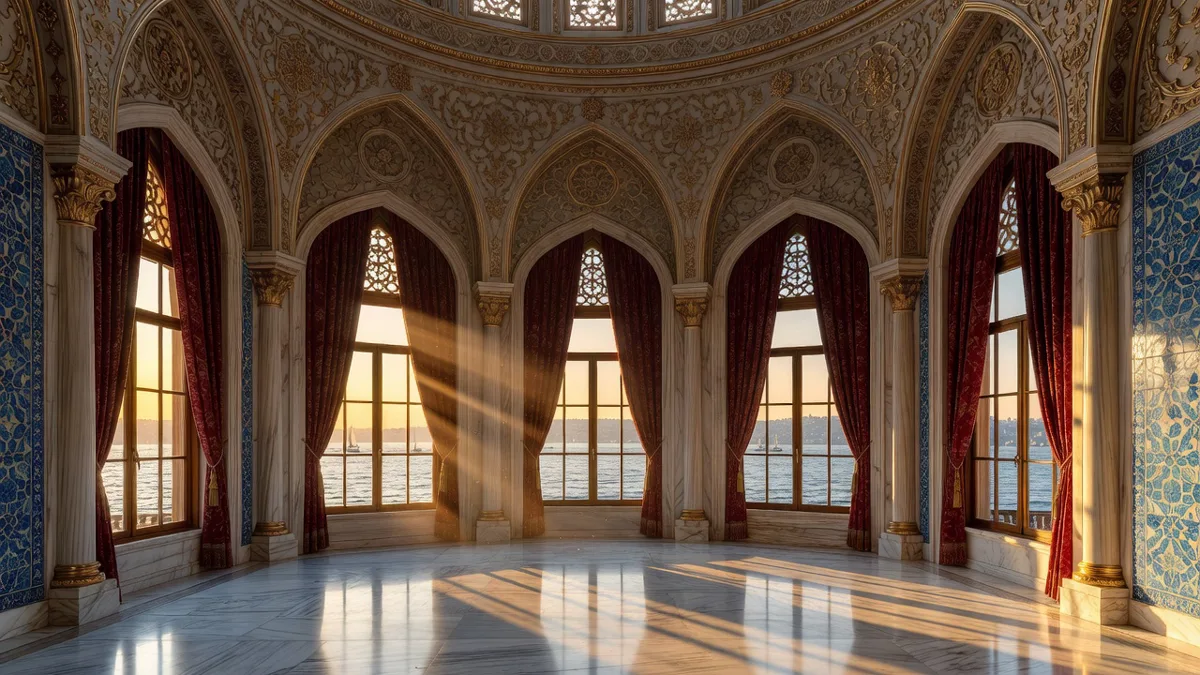
The hall was not only a reception area but also the venue for the state’s most important protocol ceremonies. The grand window arrangements on the sea side bring the flowing waters of the Bosphorus inside almost like a living painting.
Standing here, you can feel it: This is more than just a room. It is the stage where the final period of an empire displayed its pride and splendor.
The Chandelier’s Weight and Architectural Splendor
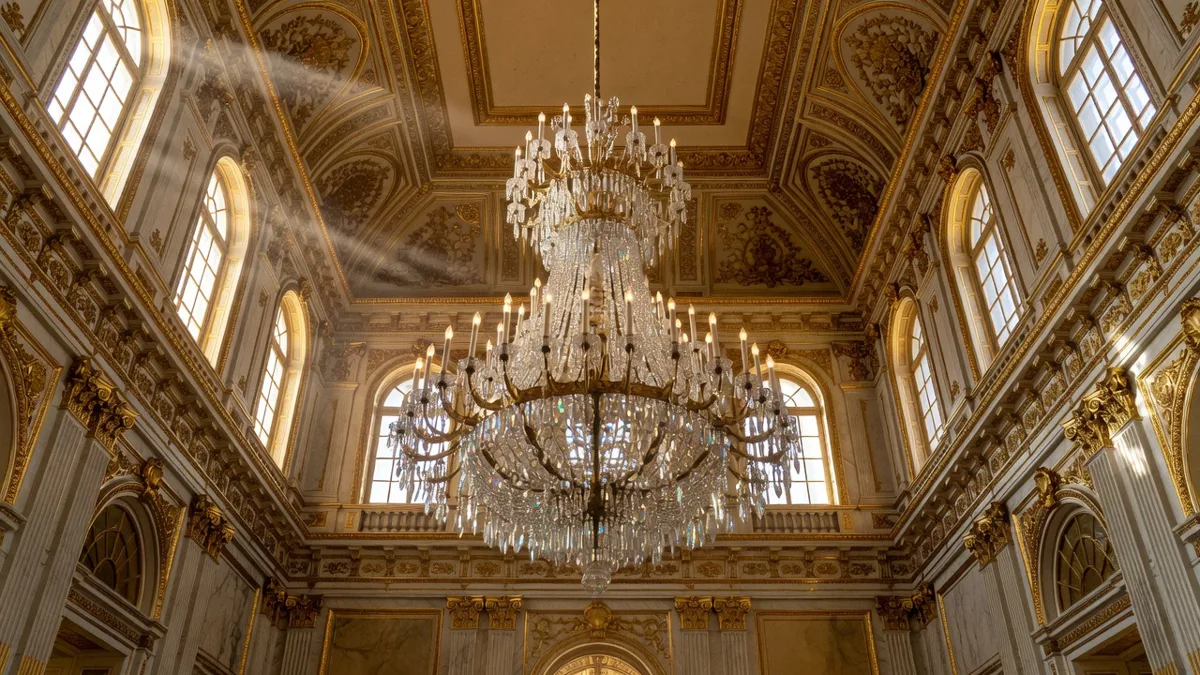
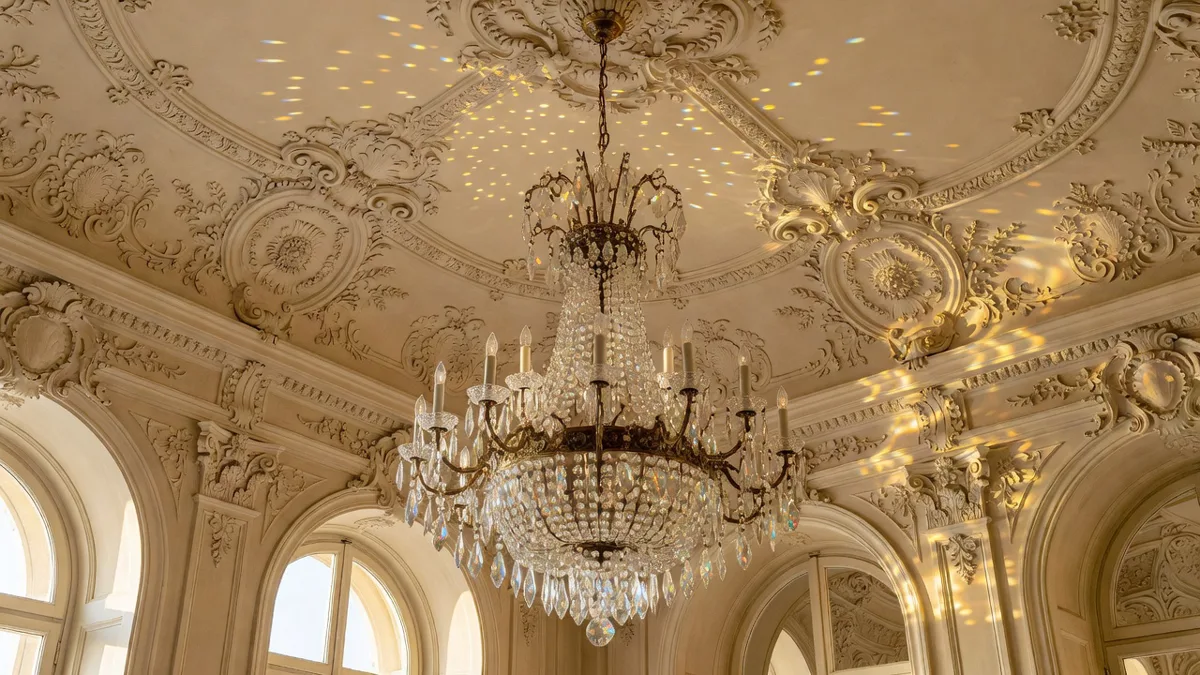
The chandelier at the center of the hall is made of Bohemian crystal and fitted with 750 bulbs. It measures approximately 36 meters in height and still holds the title of the largest crystal chandelier in Türkiye. The ceiling rosettes from which it hangs are adorned with intricate baroque and rococo motifs.
Architecturally, the hall represents one of the most successful fusions of Western palace design and late Ottoman aesthetics. The gilded stucco work on the walls, mirrors, and marble frames keep light constantly dancing throughout the space.
The three large round-arched windows on the sea façade allow the hall to merge beautifully with both natural light and the Bosphorus view. Especially in the early morning hours, the light casts long shadows across the marble floors.
Its Role in Protocol and Ceremonies
The Muayede Hall was the main venue where foreign ambassadors were received, state ceremonies were held, and important festive greetings took place. From the reign of Sultan Abdülmecid onward, it became the empire’s “official hall.”
The layout is based on a symmetrical and hierarchical design. The grand central chandelier, symmetrically arranged furniture around it, and the long benches lining the walls even dictate where visitors should stand.
Today, the same hall continues to be used by the Presidency primarily for major national and international state ceremonies. This means it has preserved its original function for more than 170 years.
Its Unique Relationship with the Sea
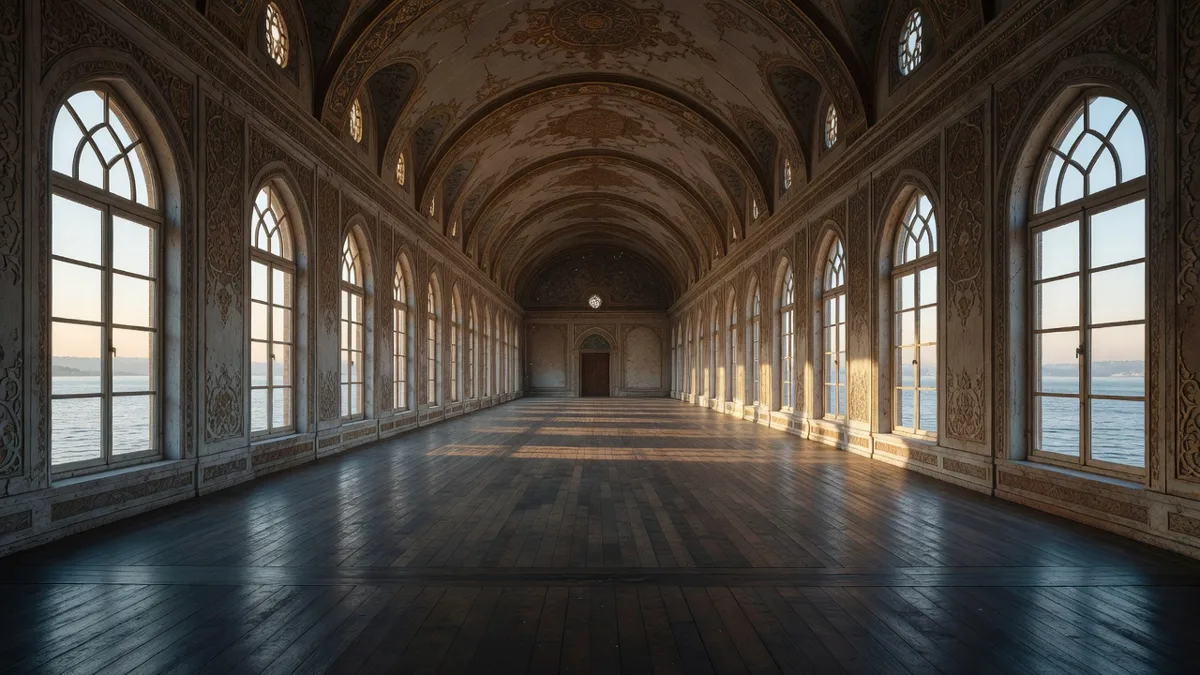
One of the most striking features of the Muayede Hall is how seamlessly it blends with the Bosphorus. The large windows on the sea side bring both light and moisture into the hall. While this humidity makes maintaining the wood and gilding more challenging, it also gives the space a unique sense of vitality.
In winter, the mist rolling in from the Bosphorus slowly drifts through the hall, creating an atmosphere that feels deeply intertwined with history. In summer, the late afternoon light reflects off the chandelier’s crystals, casting thousands of tiny prisms across the walls.
Unlike other sections of Dolmabahçe, this hall feels both grand and remarkably intimate at the same time — because it places the Bosphorus directly in front of you.
What Should You Look For as a Visitor Today?
When exploring the hall, I recommend standing directly beneath the chandelier and looking up. Neck strain is guaranteed, but it’s absolutely worth it. Then walk over to the sea façade and pause for a while in front of the windows. The bustling Bosphorus traffic creates a striking contrast with the hall’s magnificence.
Another detail worth noticing is the original parquet patterns on the floor. On the rare occasions when the carpets are removed, these designs reveal just how meticulously the hall was planned.
As you leave, take one last look back. Because the Muayede Hall is not merely a grand room — it is the space that best summarizes the final century of an empire.
After touring Dolmabahçe Palace, you may feel the urge to spend a little more time alone in the Muayede Hall. This feeling is completely normal. Because that hall is still telling its story.