




A Bay Window by the Sea in Bebek
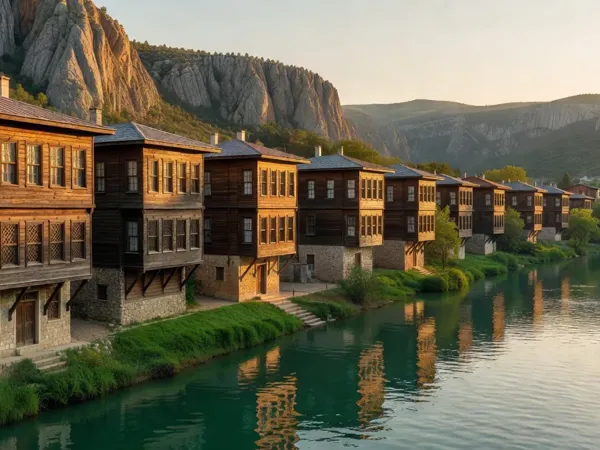
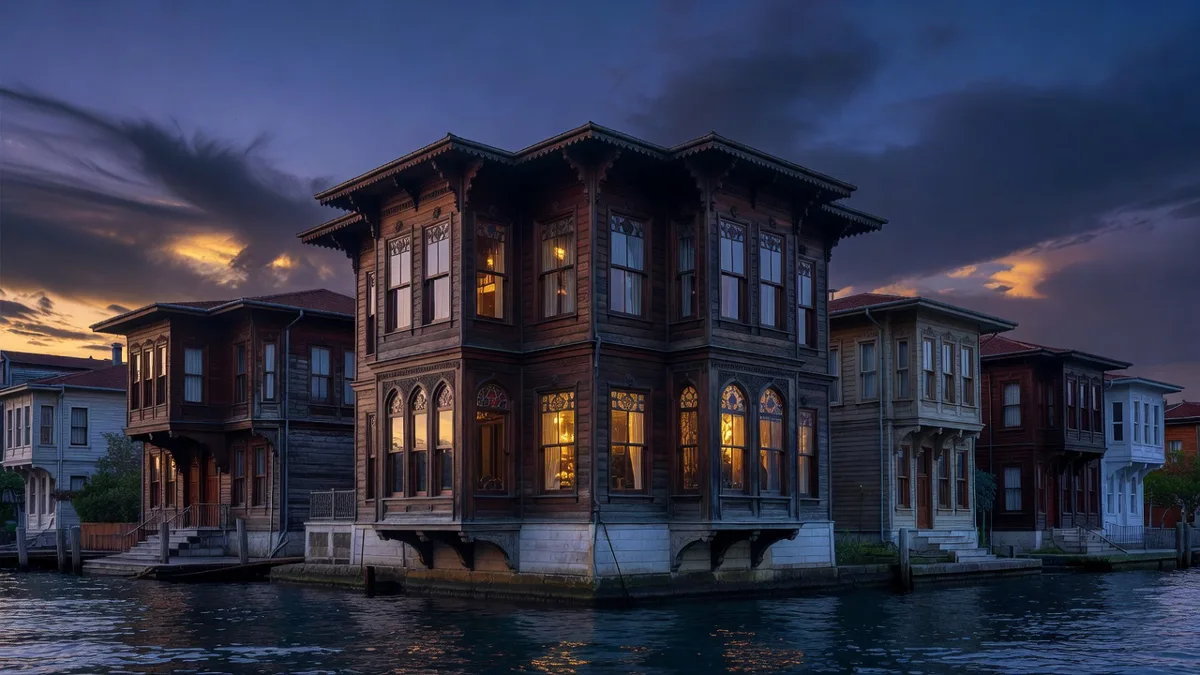
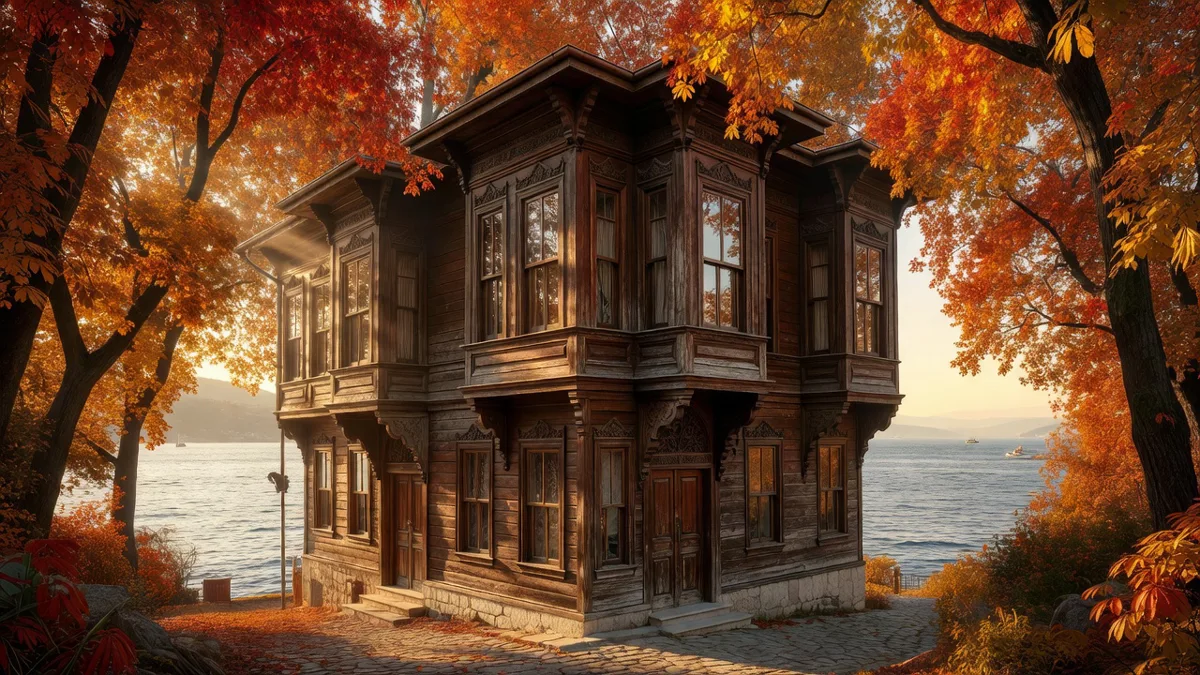
Perched on the hills of Bebek, this wooden mansion with its striking bay window appears as you descend an old path toward the sea. It is one of Istanbul’s most impressive examples of civil architecture. Built in the late 19th century, the projecting bays on the façade were designed to simultaneously capture the Bosphorus currents and views of the opposite shore. In autumn, chestnut leaves cling to the bay windows, creating a living painting when viewed from inside.
The cut-stone foundation on the lower level combined with the slightly overhanging wooden frame above provides both earthquake resilience and protection from moisture. Now a private residence, the property draws attention in summer with its staircase leading directly from the garden to the sea. The usable area of approximately 400 square meters is just a 7-minute walk from the Bosphorus.
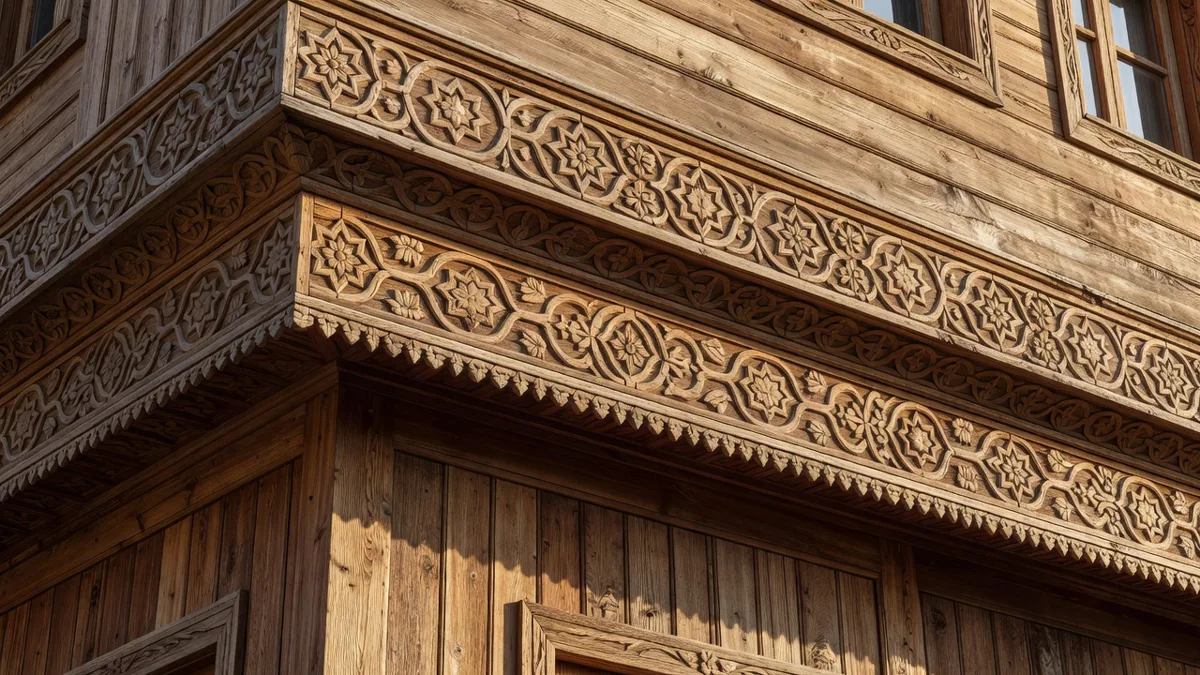
The most striking details in these mansions are the hand-painted floral motifs on the ceilings and the mother-of-pearl inlaid doors. Owners usually strive to preserve the original woodwork during restoration.
Hidden Garden Mansions in Arnavutköy
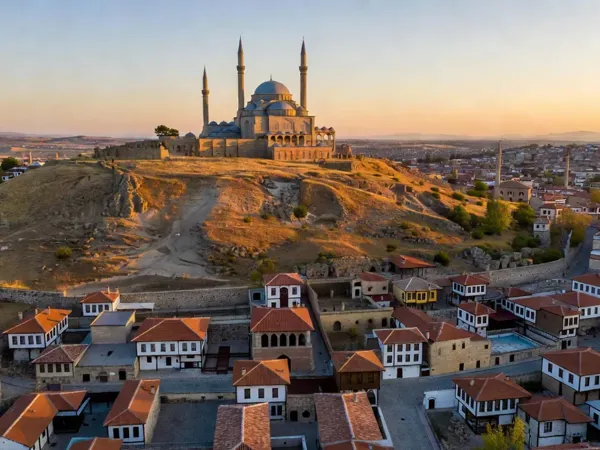
As you walk the narrow lanes of Arnavutköy, the red-tiled roofs visible above high garden walls belong to mansions typically built between 1880 and 1900. In these properties, the garden is every bit as important as the house itself. Shaded courtyards with fountains beneath mature mulberry and fig trees offer welcome coolness in summer.
In three-storey examples, the middle floor usually revolves around a spacious sofa known as the “hayat.” This central space receives daylight all day thanks to windows facing both north and south. The woodwork is exceptionally refined; lotus and palmette motifs frequently appear on railings crafted by master craftsmen from Trabzon.
Today, some of these mansions have been converted into boutique hotels, while others have been restored as family homes. The height of the garden walls keeps them hidden from the Bosphorus, adding to their mysterious charm.
Stone and Wooden Mansions in Üsküdar
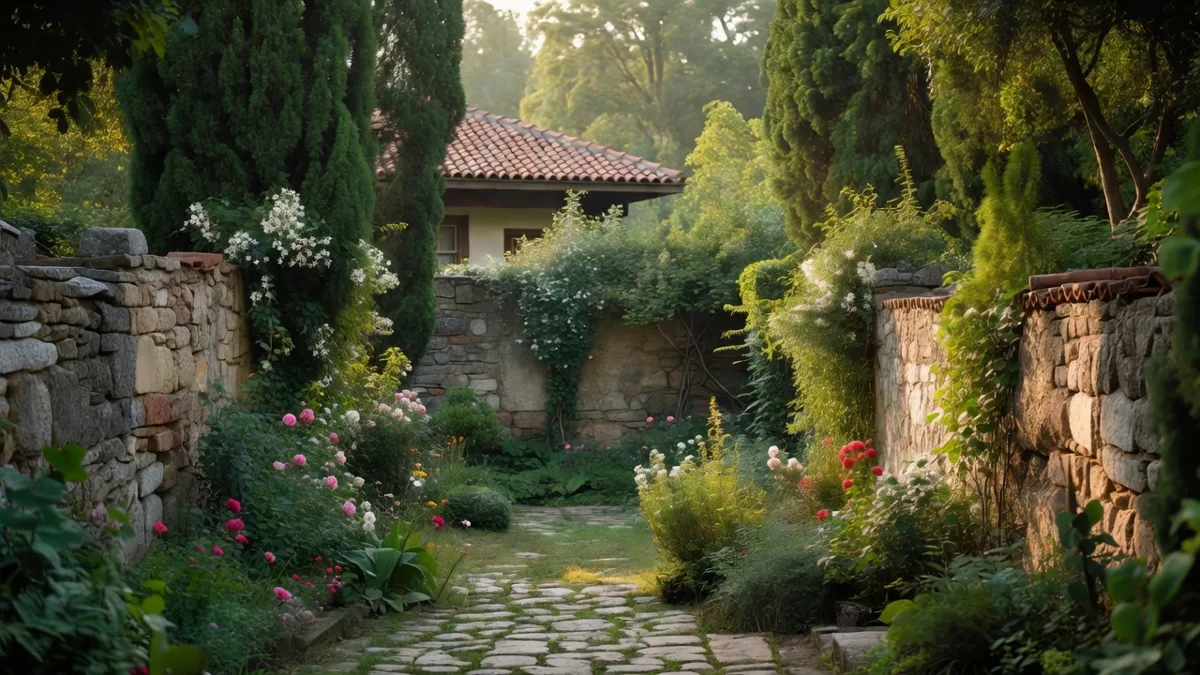
In Üsküdar’s historic neighborhoods, particularly around Salacak, stone-and-wood mansions from the late 19th to early 20th century still stand. These buildings are typically L- or U-shaped. The symmetrical bay window arrangement on the garden façade creates a spacious central hall inside.
Seljuk-style brickwork on the walls and carved wooden eaves reflect the eclectic style of the period. Although Üsküdar’s humid winter air challenges the timber, the use of high-quality chestnut and oak has kept most of these structures remarkably sound.
Today, some of these mansions house consulates, while others serve as exclusive residences for high-income residents. Many gardens still feature century-old plane and cypress trees.
Art Nouveau Influence in Şişli-Pangaltı
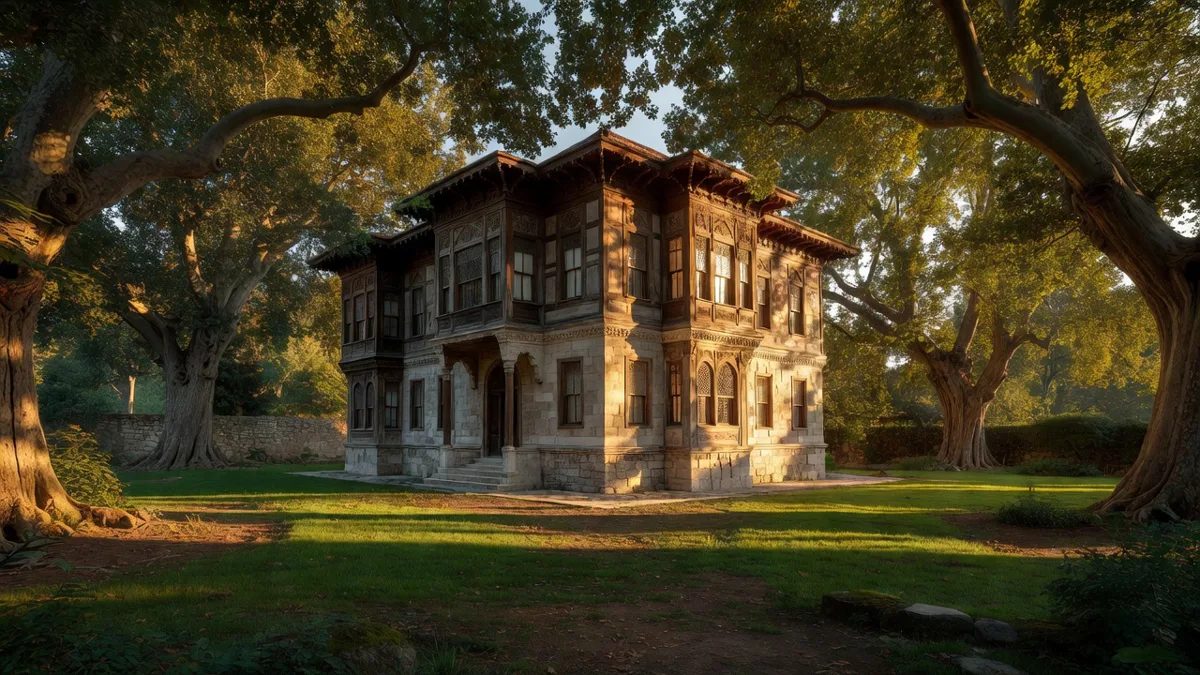
A few mansions built in the early 1900s in the back streets of Pangaltı display the rare Art Nouveau influence seen in Istanbul. Iris and lily motifs on wrought-iron balcony railings and elegant cast details on door knockers immediately catch the eye.
Façades in this period became flatter, with wide windows preferred over traditional bays. However, the classic “sofa” layout was retained in the interiors. Plaster ceiling rosettes and traces of crystal chandeliers can still be seen.
Today these buildings are generally restored and used as offices or multi-unit residences. Despite Şişli’s heavy traffic, their inner gardens remain peaceful sanctuaries.
The Real Cost of Preserving These Mansions Today
Maintaining these properties is no easy task. Moisture, wood decay, and earthquake risk demand constant upkeep. Many owners must strike a difficult balance between preserving original details and incorporating modern comforts.
Handmade period tiles, specially mixed plasters, and authentic wooden profiles used in restoration significantly increase costs. Yet the value these mansions add to the Bosphorus skyline and Istanbul’s identity is beyond question.
While exploring Istanbul’s historic mansions, you witness not only the architecture but also the lifestyle of a bygone era. Ultimately, the real challenge lies in the determination and patience required to pass these treasures on to future generations.