




The Wooden Line Stretching from Bebek to Kandilli
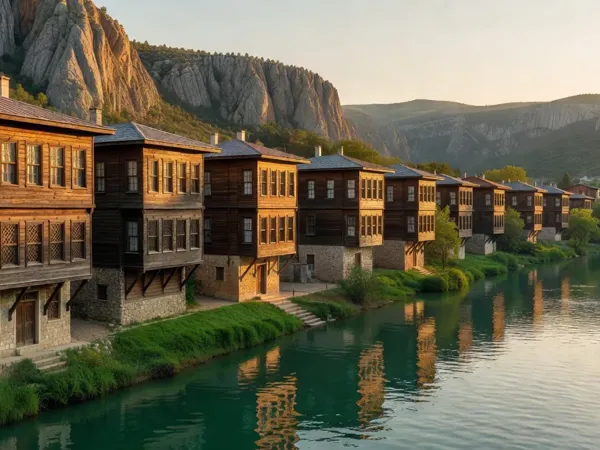
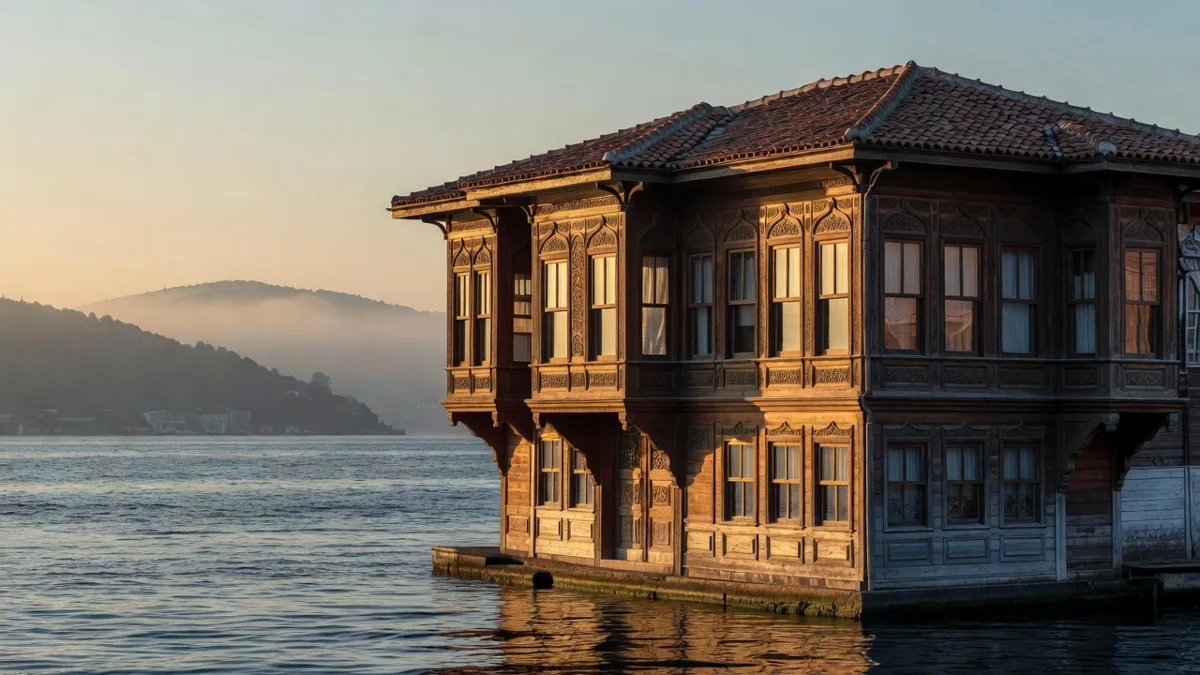
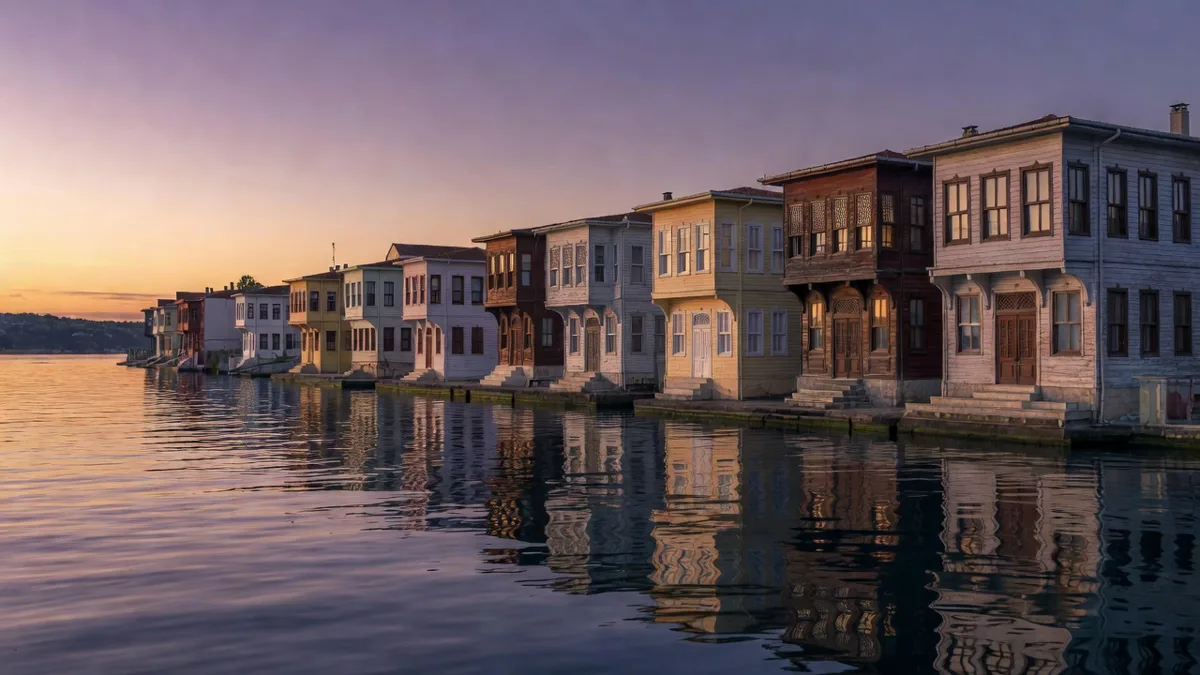
Last autumn, while looking from the hills of Kandilli, the silhouettes of the few remaining waterfront mansions still standing tall on the Anatolian shore of the Bosphorus became clearly visible at sunset. These buildings are among the most refined examples of late 19th-century Ottoman wooden architecture. The projecting bay window systems on their facades both expand the interior spaces and provide panoramic views of the sea.
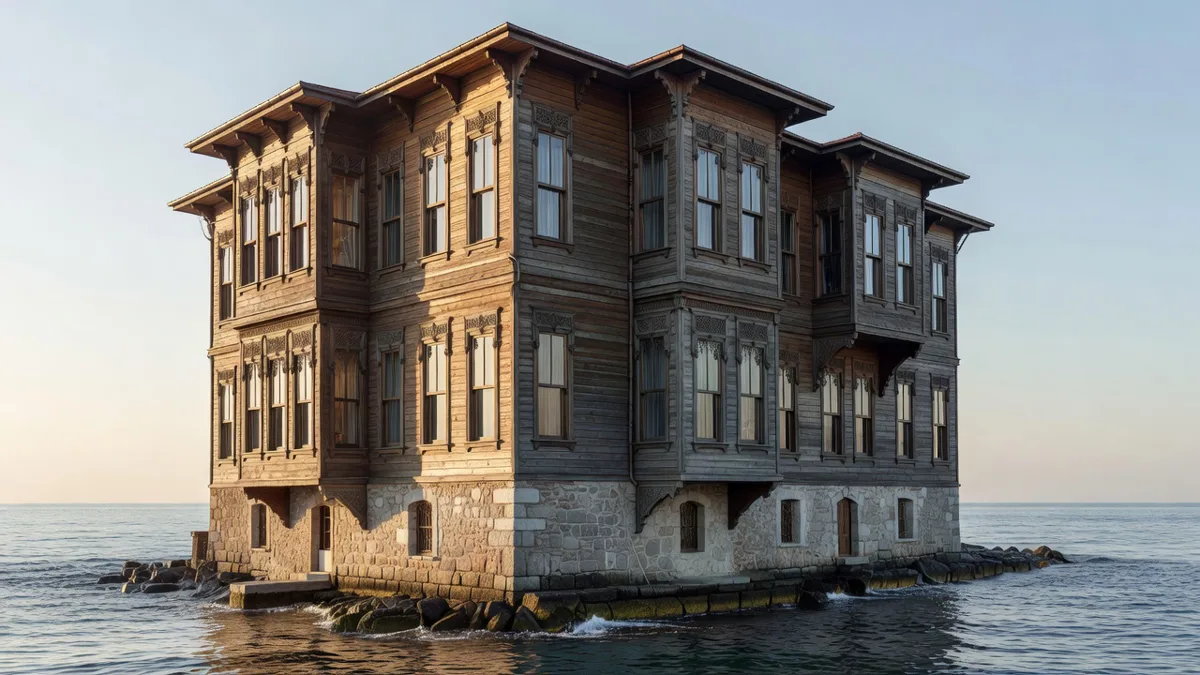
In most of these mansions, the lower floors were built with stone or brick masonry, while the upper floors feature fully wooden frames. This design protects against moisture while reducing weight, enhancing earthquake resistance. The garden walls extending right to the water’s edge are one of the strongest elements conveying the intimate relationship between the mansion and the sea.
While walking between Kandilli and Vaniköy, it is still possible to see some of the original wooden lattice windows in working order. These windows preserve privacy while being masterfully designed to capture the gentle Bosphorus breeze.
The Function of the Bay Windows and Façade Rhythm
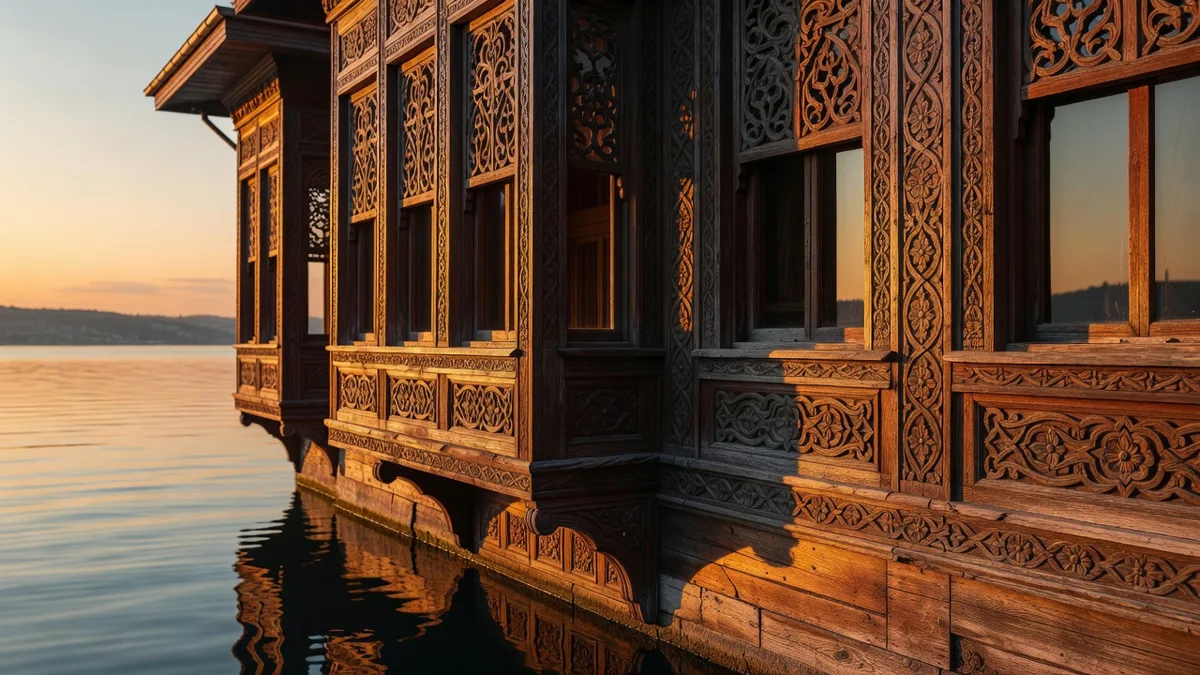
The most characteristic feature of Bosphorus waterfront mansions is the triangular or pentagonal bay windows found on the second and third floors. These bays are not only aesthetic but also highly functional. On summer evenings, they would become the family’s favourite place to spend time. Sunlight reflecting off the water would dance across the mother-of-pearl inlaid ceilings inside the bays.
The woodwork is on another level entirely. Ornate railings carved by master craftsmen brought from Amasya and Kastamonu each carry a unique motif. Some mansions feature tulips, others carnations, while some display geometric patterns. These details reflect the taste of the era and the craftsman’s signature.
Although most of these mansions have been restored today, those that preserve their original wooden character are gradually decreasing. Even in restored examples, the real challenge is witnessing firsthand how moisture slowly rots the wood.
Those Still Standing on Istanbul’s European Shore
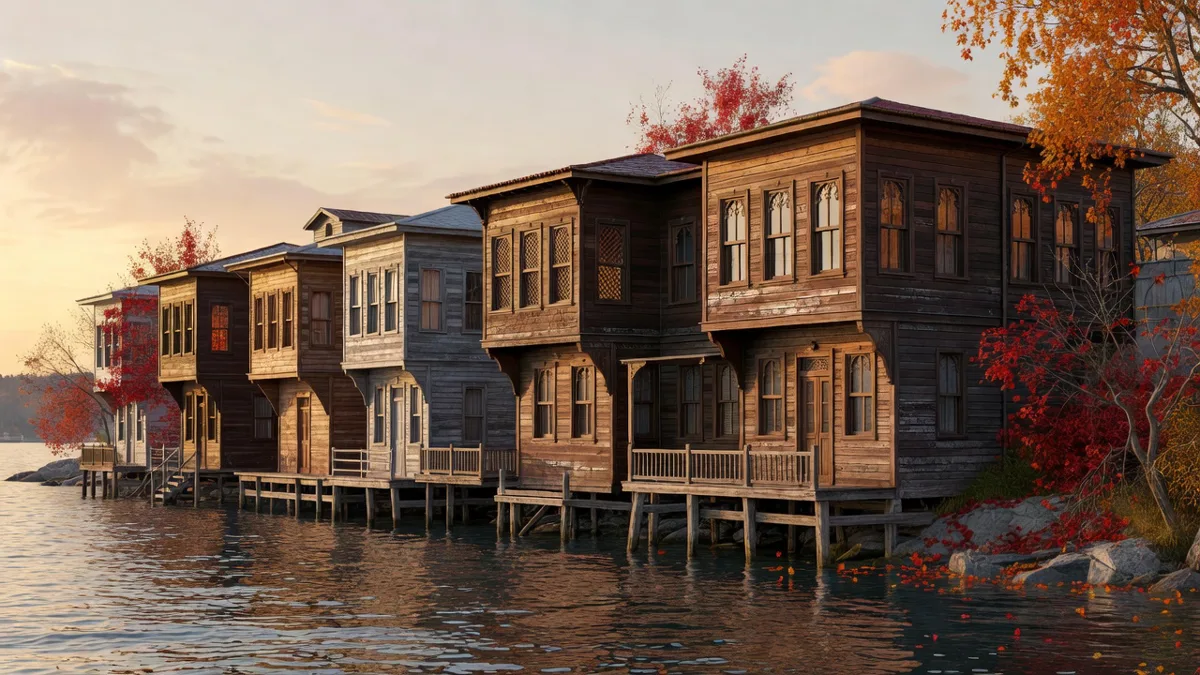
On the European side, the few waterfront mansions still visible in Yeniköy and Tarabya generally boast more ostentatious façades. Here, wide balconies and wrought-iron railings take centre stage instead of bay windows. The gazebos and pools within the gardens form the very heart of the mansion’s social life.
In most of these properties, the ground floor was historically used as a boathouse and service area. These levels, directly connected to the sea, now typically serve as parking or storage. However, the original stone quay traces can still be clearly read.
The harsh northerly winds blowing from the Bosphorus in winter are the greatest enemy of these mansions. The wood on north-facing façades requires annual maintenance. For this reason, continuous restoration work is evident in most of the surviving examples.
Architectural Traces of the Transition from Late Ottoman to Republican Era
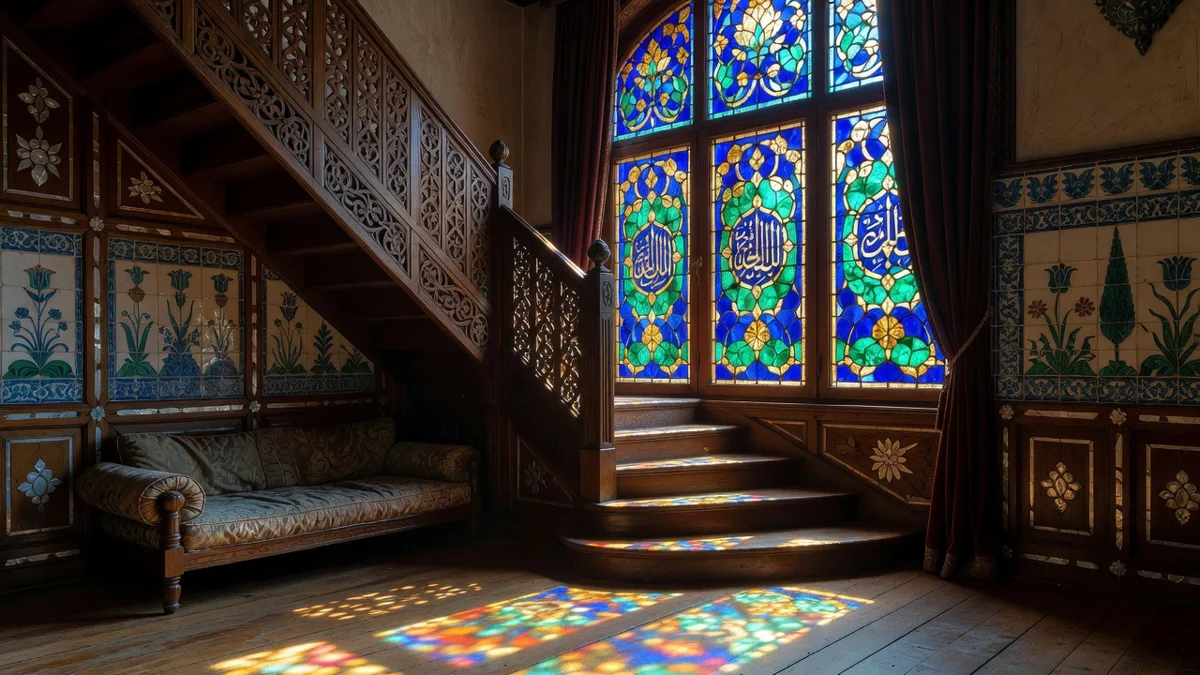
In waterfront mansions built between the late 19th and early 20th centuries, Art Nouveau influences also begin to appear. This new European style, particularly evident in door knockers, staircase railings and ceiling decorations, creates a fascinating synthesis with traditional Ottoman woodwork.
The mosaic floors and stained-glass windows seen in the entrance halls of some mansions are tangible proof of the wealth of that period. These details remind us that the structure was not merely a residence but also a status symbol.
Today, while a significant portion of these mansions are preserved as private properties, others serve as boutique hotels, restaurants or cultural centres. However, very few are open to the public, making it difficult to see the original plaster and paint layers inside.
The Real Cost of Preserving These Mansions Today
The biggest challenge in maintaining a waterfront mansion on the Bosphorus is moisture and salt. Humidity from the sea constantly threatens the wood. Owners who wish to preserve the original timber must therefore allocate a substantial annual maintenance budget.
Some mansions have over time been converted into museums or foundation buildings. While this transformation is positive in terms of opening the property to the public, it has largely erased the authentic traces of daily life within the interiors.
When you look at these mansions while walking along the Bosphorus, you see far more than just an architectural heritage. You also see a bygone era’s social life, family structures and aesthetic sensibilities. Protecting them means preserving much more than just the wood.
If you would like to see one of these mansions up close, the best way is to take a boat trip along the Bosphorus early on a spring morning. At that hour, the light reveals the façade details at their finest. Perhaps next time you sit on a mansion’s stone quay, listening to the sound of the sea, you too will wonder why these wooden structures continue to stand so defiantly.