




Wooden Facades Stretching from Bebek to Kandilli
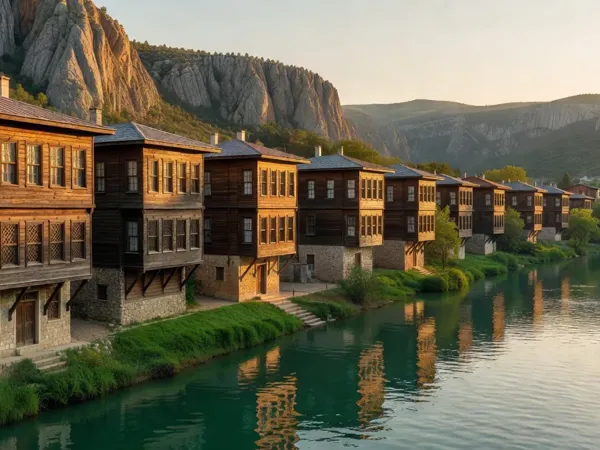
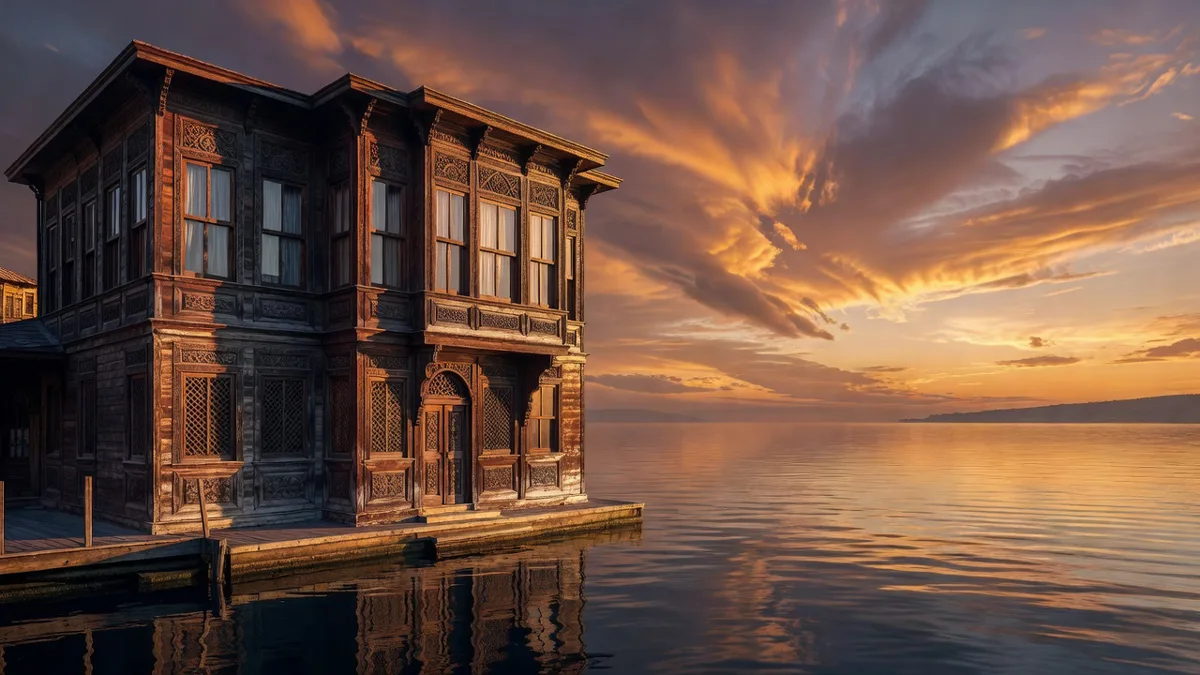
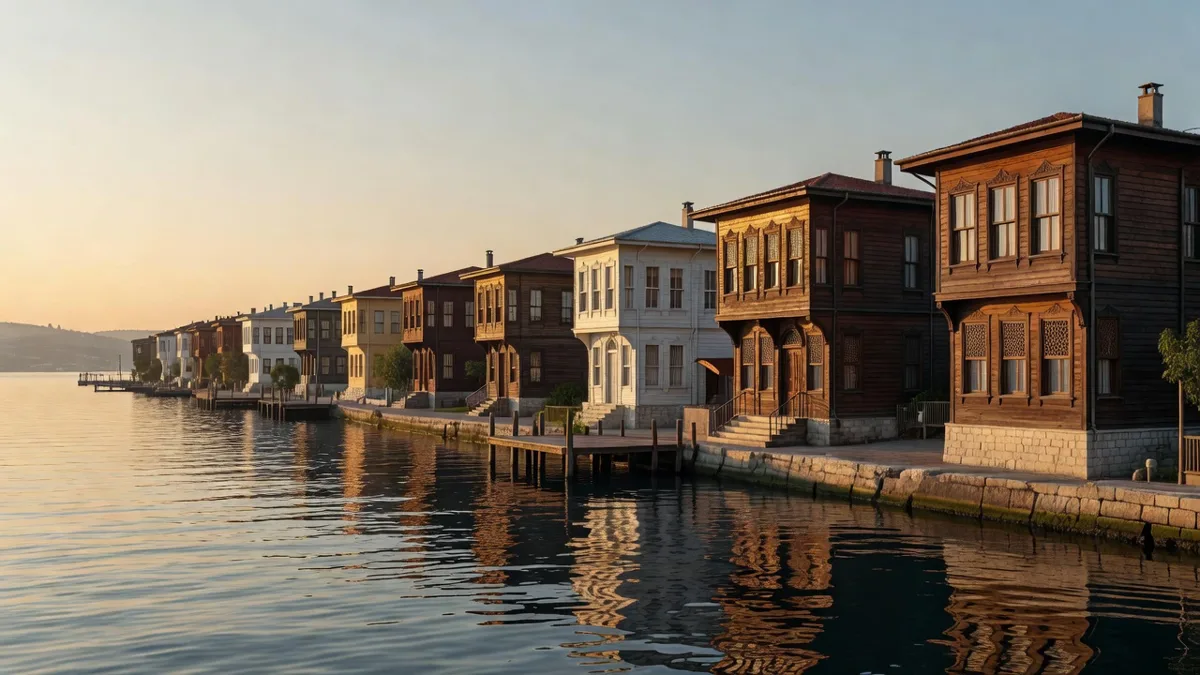
Last autumn, while cruising by boat from Kandilli towards Bebek, what caught my eye most was the deep shadows appearing on the wooden facades of the yalıs as the sun began to set. Some yalıs sit right on the water’s edge, while others keep a respectful distance from the Bosphorus with a gently rising garden wall. This distance was designed not only for privacy and security but also as a safeguard against flooding.
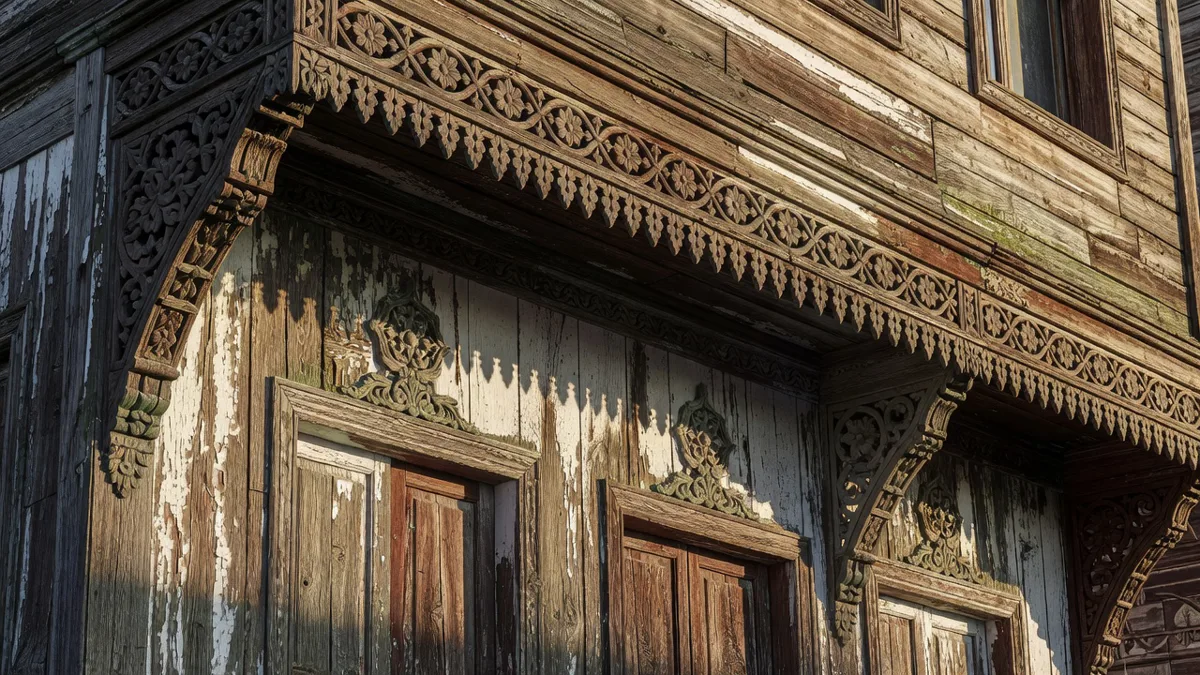
The projecting bay (cumba) system commonly seen in late 19th-century yalıs both expands the interior space and offers different angles from which to enjoy the Bosphorus’s ever-changing views. In particular, the ornate wooden consoles beneath the bays along the Kandilli and Vaniköy stretch still preserve their original craftsmanship.
The ground floors of these yalıs are typically built of stone or brick, while the upper floors are entirely timber-framed. The high window-to-wall ratio on the sea-facing facades ensures the interiors are flooded with as much natural light as possible.
Garden Layout and Courtyards in Emirgan and Yeniköy
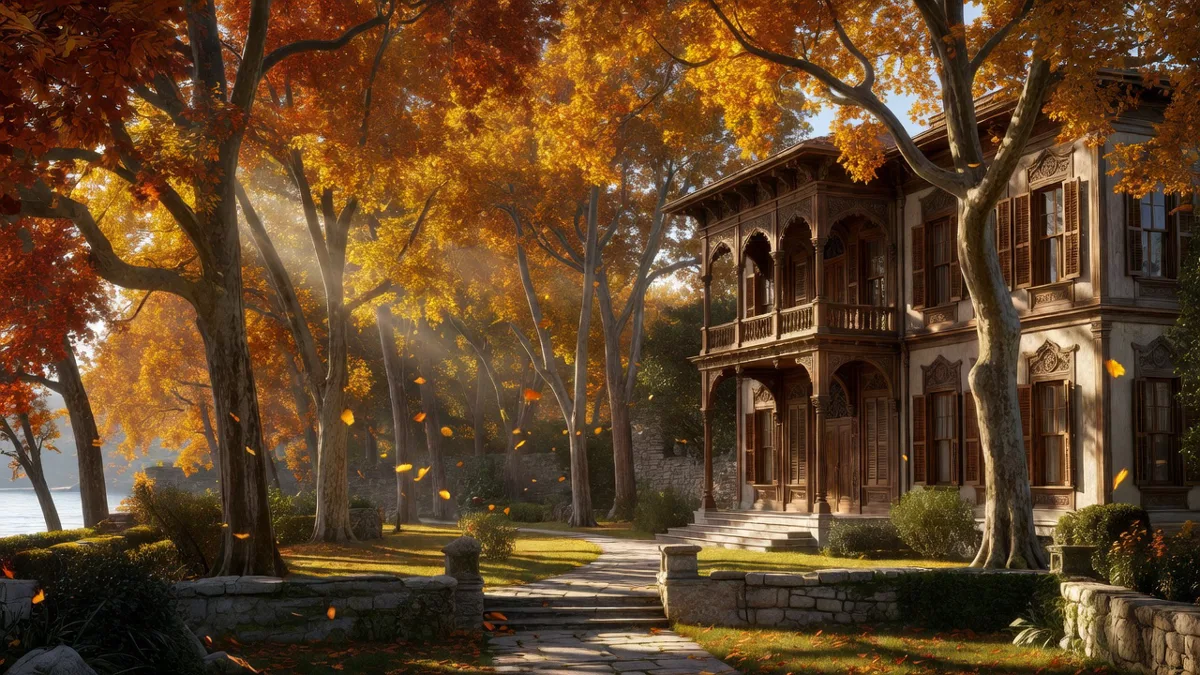
When you step into the garden of a yalı set 30-40 metres back from the shoreline in Yeniköy, you are first greeted by towering plane trees and linden trees rather than the two-storey wooden building itself. These gardens are not only aesthetically pleasing; they also provide welcome shade, tempering the humid winds blowing in from the Bosphorus during the summer months.
In many yalıs built during the late Ottoman period, the garden incorporates the central courtyard formed between the wings of the “T” or “U” shaped plan. These courtyards shelter the house from winter winds while creating a cool breathing space in summer. The traditional Istanbul paving stones used on the ground can still be seen in many of these properties.
Today, while some of these gardens have been preserved, others have been subdivided into separate plots over time. In the well-maintained examples, you’ll notice not only the original cypress and laurel trees but also exotic plants added in more recent years.
Interior Floor Plans and Flow of Living Spaces
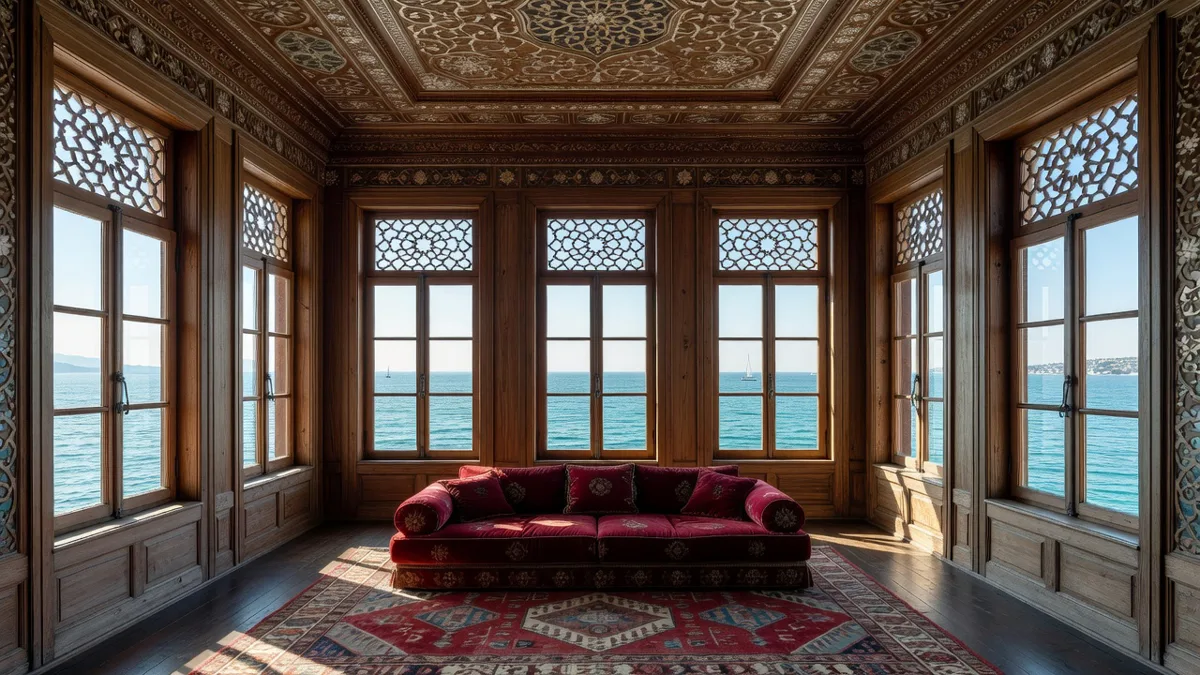
The most striking feature of a yalı is the sense of spaciousness you feel the moment you enter from the sea-facing side. The central hall, traditionally known as the “sofa”, is present on both the lower and upper floors. These halls connect all the rooms of the house while allowing you to fully immerse yourself in the breathtaking Bosphorus views.
Although the traditional separation between “harem” and “selamlık” has largely disappeared on the upper floors, the room layouts still reflect this logic. The large sea-facing rooms are reserved for guests and family, while the smaller rooms at the rear are used for service and storage purposes.
The hand-painted decorations on the wooden ceilings and the mother-of-pearl inlaid cupboard doors are the most tangible traces of the craftsmanship of that era. Art Nouveau influences are also clearly visible, especially in buildings from the early 20th century.
What’s Happening Today? The Reality of Use and Preservation
Most of these yalıs are no longer used as private residences. Some now operate as boutique hotels or restaurants, while a significant number have been restored by foundations or municipalities and turned into cultural centres. However, the quality of restoration varies greatly from one property to another.
Particularly along the stretch between Anadolu Hisarı and Çengelköy, the number of yalıs that still retain their original wooden structure is steadily declining. Concrete reinforcements and inappropriate material choices are seriously compromising the soul of some of these historic buildings.
Nevertheless, thanks to growing awareness in recent years, several yalıs are being restored with meticulous attention to authenticity. The most challenging part of these projects is sourcing original wooden craftsmanship and finding skilled traditional carpenters at a reasonable price.
Remaining Opportunities in Arnavutköy and Bebek
As you walk through the narrow streets of Arnavutköy, the wooden mansions you suddenly come across are more modest than the grand Bosphorus yalıs, yet equally valuable. These buildings were generally constructed between the late 19th century and the 1930s. The projecting bays and intricate wrought-iron details on their facades reflect the architectural tastes of Istanbul during that period.
In Bebek, you’ll find larger-scale mansions. Although they don’t have direct sea access, these properties with Bosphorus views are typically set within private gardens. Today, the maintenance costs for such properties are quite high; in particular, the wooden facades require care and attention every 7–8 years.
When visiting these buildings, the most important thing to watch for is the damage caused to the timber by moisture and salt. Even if you are 150–200 metres away from the sea, the Bosphorus’s humidity and salt constantly threaten the wood.
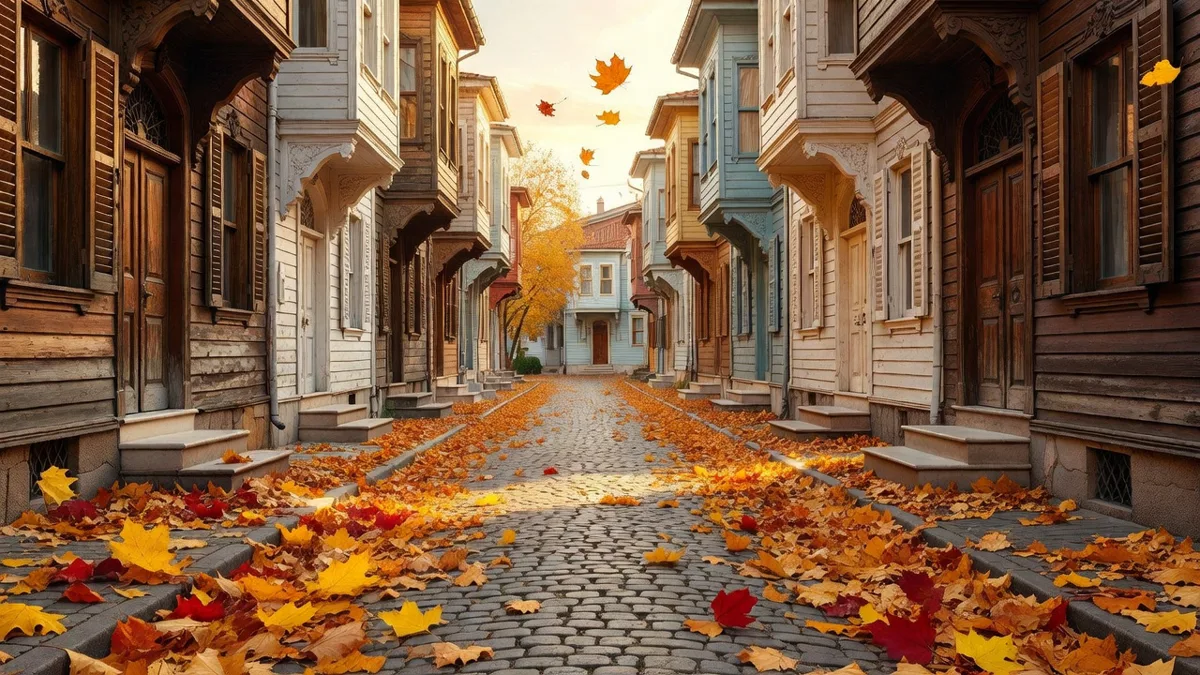
Istanbul’s historic yalıs and mansions are far more than just stone and timber. Each one has its own unique story, and behind every projecting bay lies a life once lived. If you are considering purchasing or restoring one of these special properties, I strongly recommend that you first spend time simply observing, listening, and truly understanding what the building is telling you. Because these buildings speak — if only you take the time to listen.